

Depression has long been present in our world, affecting individuals across generations. While some individuals openly discuss their struggles with depression, others feel a sense of shame surrounding it. Statistics reveal that a staggering 1 in 4 individuals grapple with severe depression.
Some have encouraged me to share my journey through the ups and downs, akin to a rollercoaster. Originally hesitant, I now recognise the value of sharing my experiences and encouraging others to do the same. Depression takes on diverse forms, respecting the varying degrees of intensity that people encounter. Reflecting, I acknowledge the multitude of pathways that depression can take. Understanding the severity spectrum is essential.
In bygone eras, any mental disorder often triggered shame and repulsion within families. Regrettably, this often led to individuals being ostracised or confined to facilities.
I’ve encountered a few people who have dealt with this horrible illness. Some say they can talk about it and feel they’ve admitted to dealing with it; they feel better. Others close themselves off from the world and hide the truth.
I, for one, did that for quite some time, and if it ever did come up in a conversation about my mood, people would say, “Well, come on! Just be joyful.” Unfortunately, it’s not as easy as that. In 2012, I received a diagnosis of depression.
It was a year of moving cities, a new job, and a new life. Many people didn’t understand how I acted towards them—being quiet and excluding myself from conversations. I simply desired solitude and the freedom to pursue my own interests.
My confidence dropped, and my social skills were nonexistent, much like my appetite. I never spoke to anybody about it, as I knew it would be a case of people not understanding.
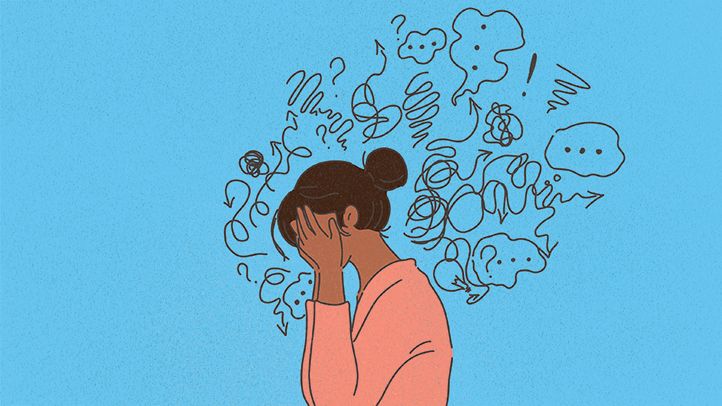
Outsiders would see I had friends, great family support, and a nice place to live. Why would I have a reason to be unhappy? When I decided it was time to open up about my depression, I got some hurtful comments.
| Statements |
|---|
| “Just get over it.” |
| “Just be happy.” |
| “Have you taken your medication?” |
| “Cheer up.” |
Whenever I get upset or annoyed, people often ask, “Have you managed to take your medication today?” It’s as if they believe a simple pill can erase all my troubles—I wish it were that easy! I’m sharing this because I know there are countless others in similar make it throughvigate the challenges of this world in our unique ways.
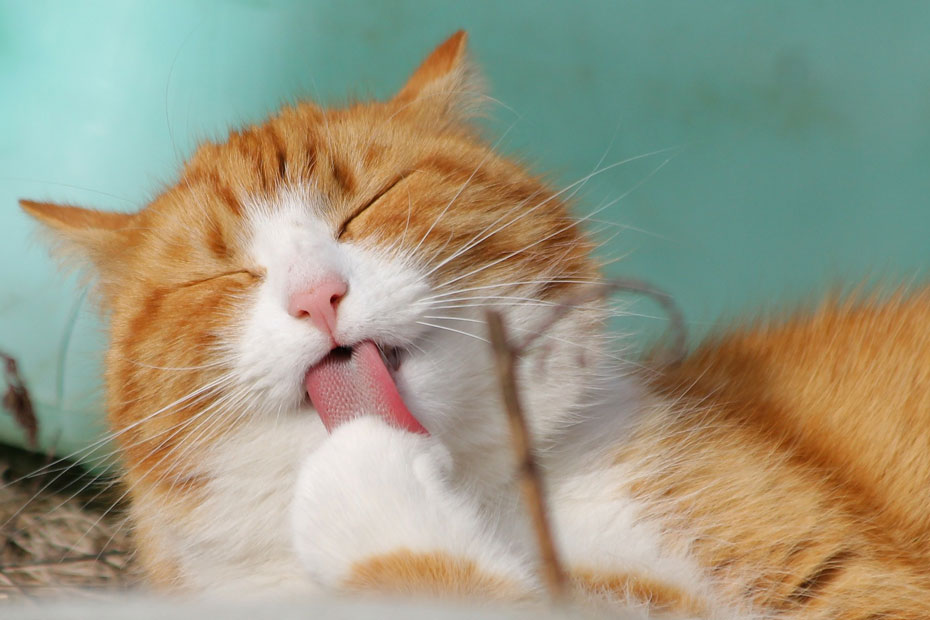
One thing I’ve come to realise is that authenticity reigns. Even if you have a successful career, a large circle of close friends, and a loving family, the guilt of feeling depressed can be very overwhelming. You might be surprised to learn that a turning point for me was the arrival of my Ragdoll kitten in 2013—a Christmas gift from my boyfriend.
Suddenly, it was no longer just me and the world; I had a sweet, cuddly kitten who depended on me. I cherish that experience above all others. She transformed into a bright light in my life, serving as a constant reminder of the undervalued influence of pets. It’s not always about relying on medication and therapy. Surrounding yourself with things that bring joy can be a potent strategy. It’s a journey of progress, not an instant cure.
Many people enduring this struggle lack someone to confide in. The unsettling reality is that numerous individuals silently battle depression. Outward appearances can deceive; the well-dressed, seemingly content people we pass on the street may be masking their pain. Remember, just because you can’t visibly see “depression” doesn’t mean it’s absent.
You’re the driver of your life’s car. You have the choice to navigate the roads that resonate with you. If your job is a source of unhappiness, consider finding something that fulfils you—perhaps travel, a new hobby, or engaging in workshops.
It’s a journey that takes time, but understanding that you’re not alone and identifying the sources of your unhappiness is the crucial first step. From there, progress unfolds.
What does it feel like to be depressed?
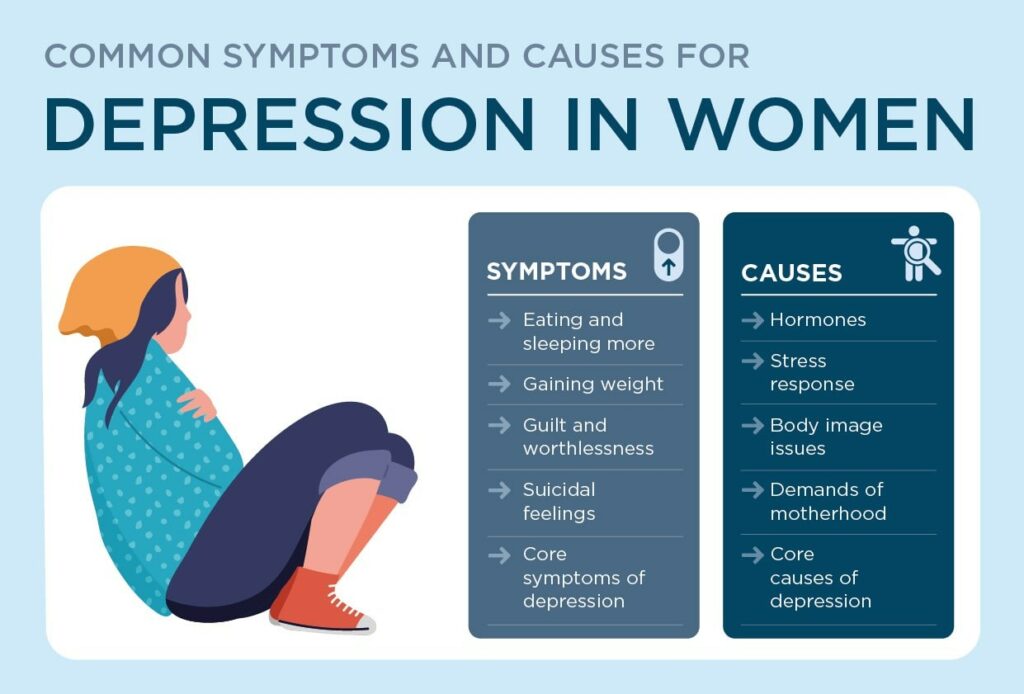
The feeling of depression is more profound, longer, and more unpleasant than the short episodes of unhappiness that everyone experiences occasionally. You will notice:
| Symptoms of Depression | |
|---|---|
| Persistent sadness or low mood | Finding it more challenging to make decisions |
| Not being able to enjoy things | There is a noticeable absence of enthusiasm or engagement in one’s daily life. |
| Losing interest in life | Lack of enthusiasm or engagement in daily life. |
| The individual struggles with making choices or decisions. | There has been a decline in interest or passion for sexual activities. |
| Feeling exhausted | Overwhelming tiredness or fatigue. |
| The individual is experiencing unresolved emotions and restlessness. | Unsettled emotions and restlessness. |
| Loss of appetite and weight | Reduced desire to eat and unintended weight loss. |
| Difficulties getting to sleep | Having trouble falling or staying asleep is a common issue. |
| Loss of sex drive | The interest or desire for sexual activity has decreased. |
| Thoughts of self-harm or suicide | One may find themselves contemplating or considering self-harm or suicide. |
Doctors grade depression as mild, moderate, and severe to help them choose treatment. One thing that profoundly helped me (along with my Ragdoll-Pancakes) is my family support.
I know how fortunate I am. Unfortunately, not everyone has the same, and some people have had to take drastic measures to make others realise what’s going on.

It’s all about support and being open and honest, and even if some people don’t understand you 100%, you can feel so much better about yourself for being honest about the situation and being open, and you don’t feel alone. Opening up and having someone listen is sometimes exactly what you need.
| Facts & Stats on Depression | |
|---|---|
| The initial appearance of significant depression typically occurs during this age range. | Depression can affect anyone, regardless of their background or circumstances. |
| Ten times more people suffer from major depression now than in 1945. | The prevalence of major depression has significantly increased over the years. |
| The average age of the first onset of major depression is 25–29. | Depression has different triggers. People have a higher risk of depression if they’ve recently been through a stressful life event, if they’ve had depression in the past, or if a close family member has been depressed. Sometimes, depression develops without any apparent cause. |
| Up to 80% of suicide deaths are in sufferers of major depression. | Depression is a significant factor in many suicide cases. |
| Depression has different triggers. People have a higher risk of depression if they recently went through a stressful life event, if they’ve had depression in the past, or if a close family member has been depressed. Sometimes, depression develops without any apparent cause. | Various factors can contribute to the development of depression. |
| About a quarter of suicides in the US are felt to be due to undiagnosed or misdiagnosed major depression. | Undiagnosed or misdiagnosed depression can contribute to a significant number of suicides. |
| Depressed people might not look depressed. “Depression is a hidden illness,” says Jeremy Coplan, MD, professor of psychiatry at SUNY Downstate in New York. Some people can seem upbeat and cheerful, but on the inside, they’re struggling with the symptoms of depression. | Depression can hinder the ability to engage with others. Taking steps to heal and seek understanding can be beneficial. |
Please don’t hesitate to reach out if you or anyone you know needs help. You are not alone. Feel free to contact the following resources or send me a message for a chat:
- National Suicide Prevention Lifeline: 1-800-273-TALK (1-800-273-8255)
- Crisis Text Line: Text “HOME” to 741741
- Samaritans: Call 116 123 (UK and Ireland)
- Befrienders Worldwide: Find a helpline in your country