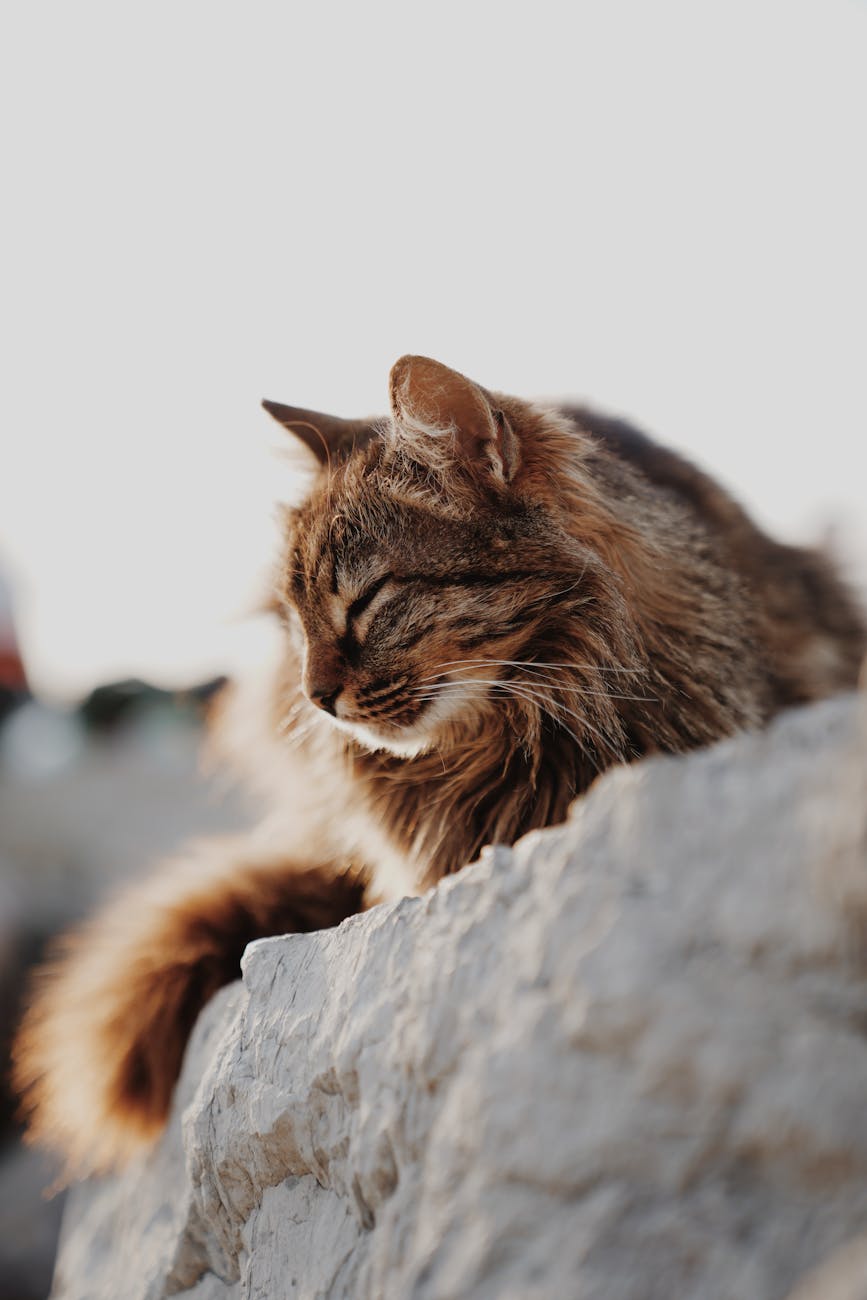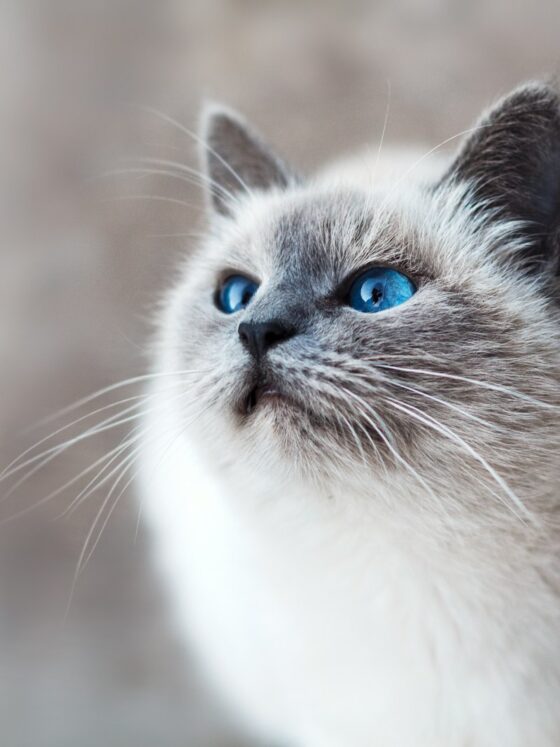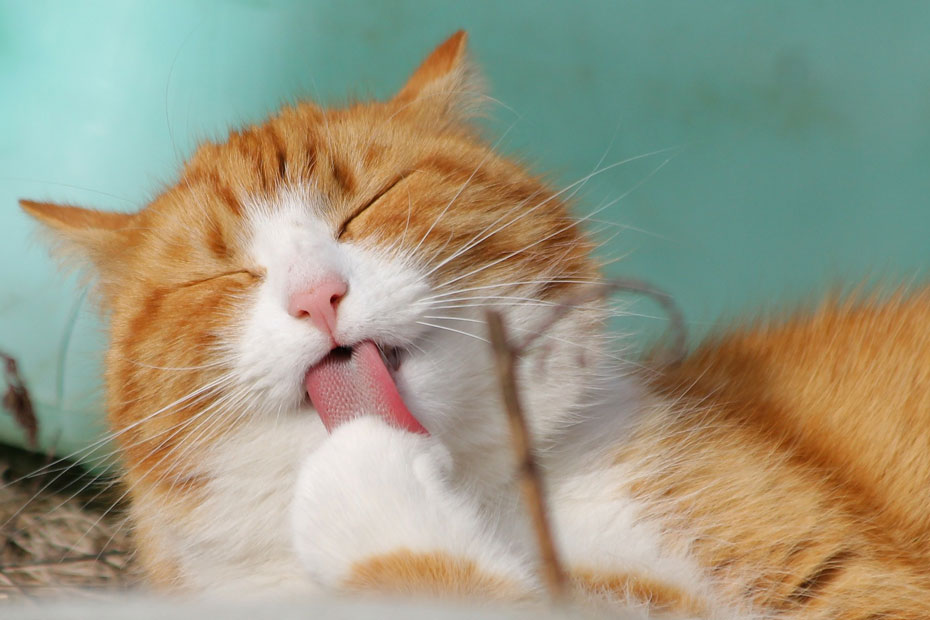

If you’re dreaming of a calm, cuddly, and sociable feline companion, look no further than the ragdoll cat. With their signature blue eyes and silky coats, these beautiful cats are more than just a pretty face—they’re known for their affectionate personalities and easy-going nature.
Whether you’re a seasoned cat owner or welcoming your first furry friend, here’s everything you need to know about life with a ragdoll cat.
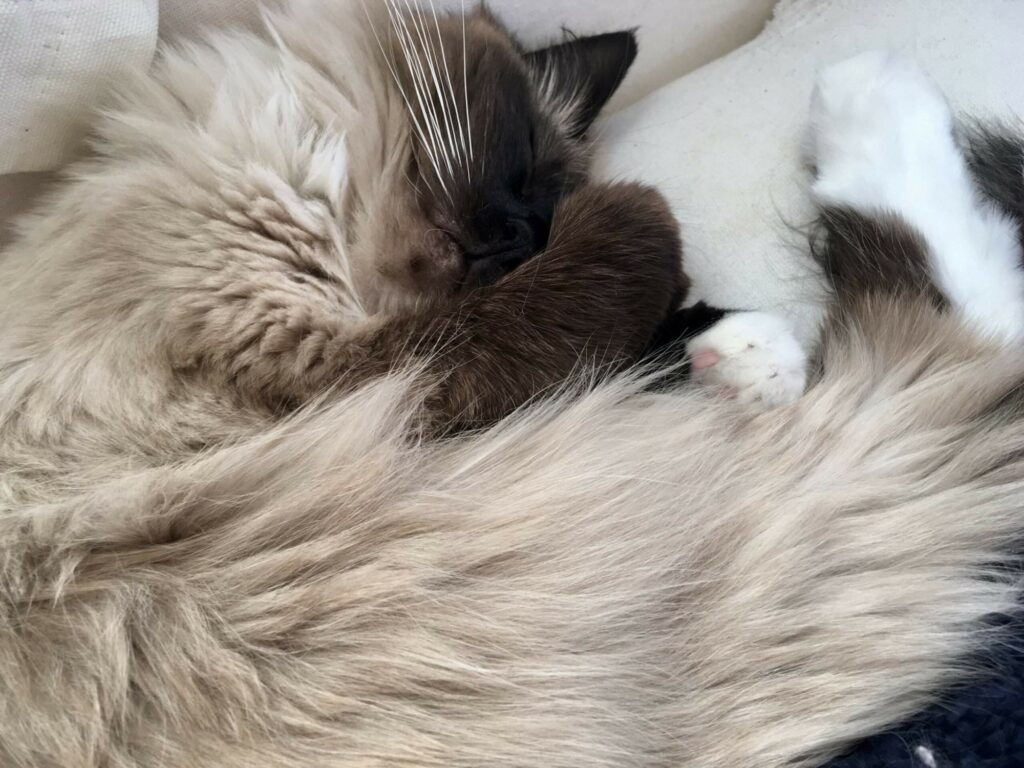
What makes ragdoll cats so special?
The name “ragdoll” comes from the breed’s unique tendency to go completely limp when picked up—like a soft toy in your arms. Their docile, trusting temperament makes them one of the most popular cat breeds worldwide.
Appearance at a glance:
- Medium to large size with a muscular build
- Long, plush, silky fur
- Bright blue, almond-shaped eyes
- Colour patterns include seal, blue, chocolate, lilac, cream, and flame, often with “pointed” markings like a Siamese
But it’s their personality that truly wins people over.
Temperament: affectionate and loyal
Ragdolls are often described as “puppy-like” cats because they follow their humans from room to room, seek attention, and love to be part of the action.
What you’ll notice:
- They adore snuggling and sitting on laps
- They’re generally quiet, with soft, melodic meows
- They’re great with children and other pets
- They’re not easily startled or aggressive
If you’re after a cat that will bond closely with the family—without the aloofness of some breeds—a ragdoll might just be your perfect match.
Training: clever and cooperative
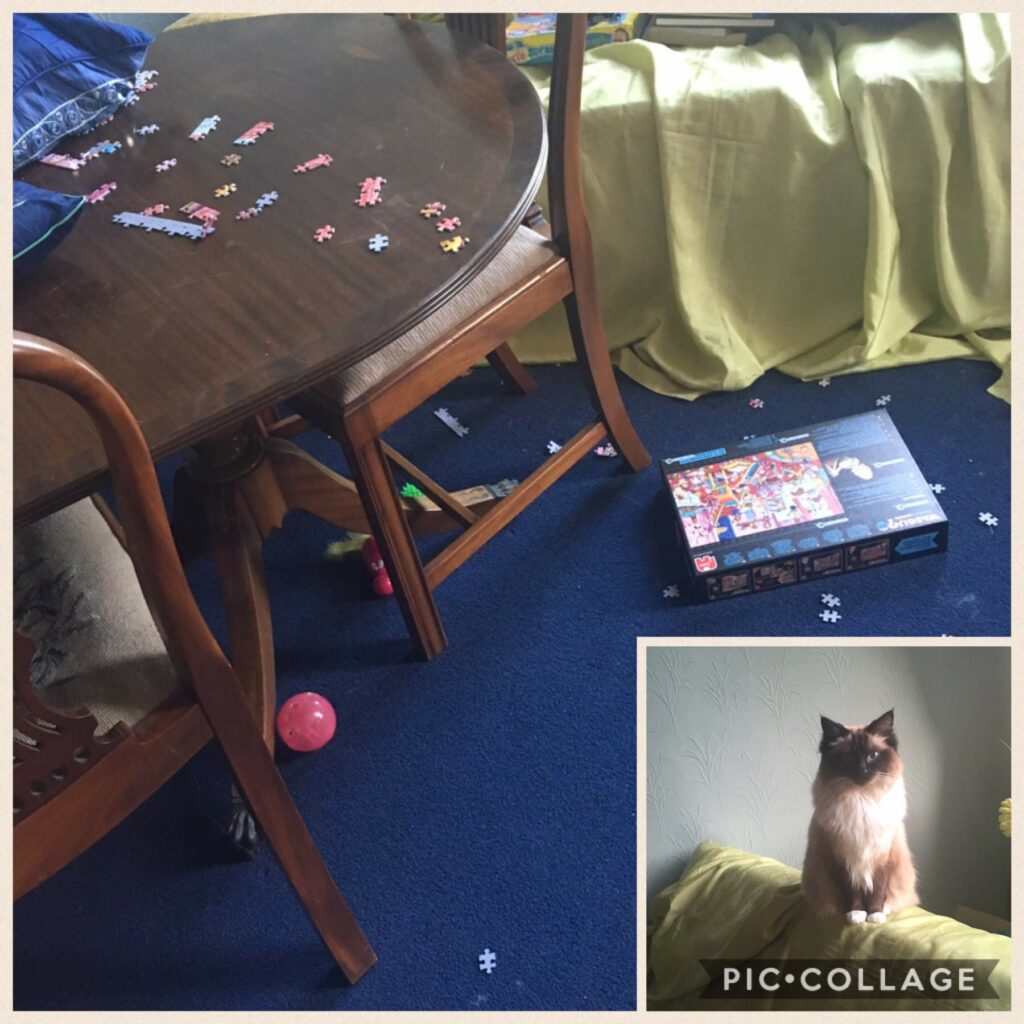
Ragdolls are highly intelligent, which makes training much easier than most would expect from a cat.
Simple things they can learn:
- Using a litter box from a young age
- Basic commands like “sit” or “come”
- Walking on a leash
- Playing fetch!
They respond well to positive reinforcement, and their calm temperament makes them a fantastic choice for first-time cat owners.
Tip: Use treats and toys for training sessions. Patience + praise = a happy ragdoll.
Exercise: yes, even chilled cats need playtime
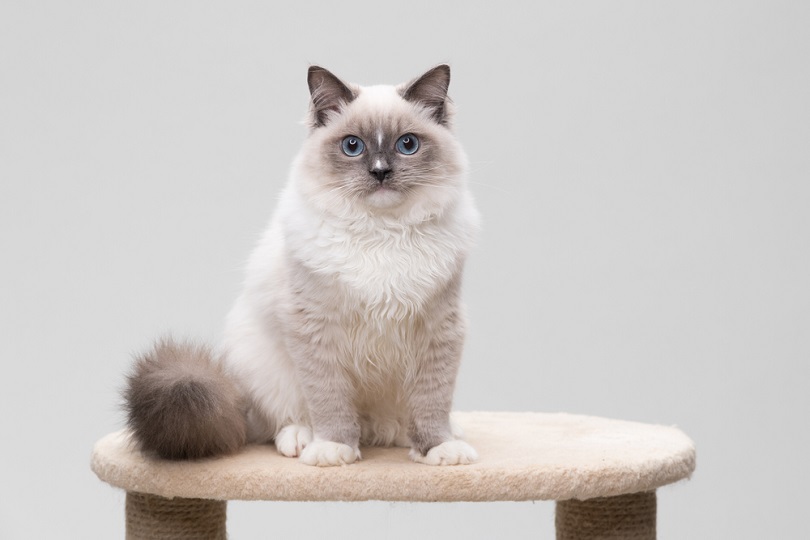
While ragdolls are not hyperactive, they still benefit from daily physical and mental stimulation.
Ideas to keep them active:
- Feather wands and laser pointers
- Cat trees and climbing furniture
- Puzzle feeders or treat balls
- Interactive sessions with their humans
Since ragdolls are best kept as indoor cats, creating a fun and enriching environment is key to avoiding boredom or weight gain.
Grooming: luxurious coats need love
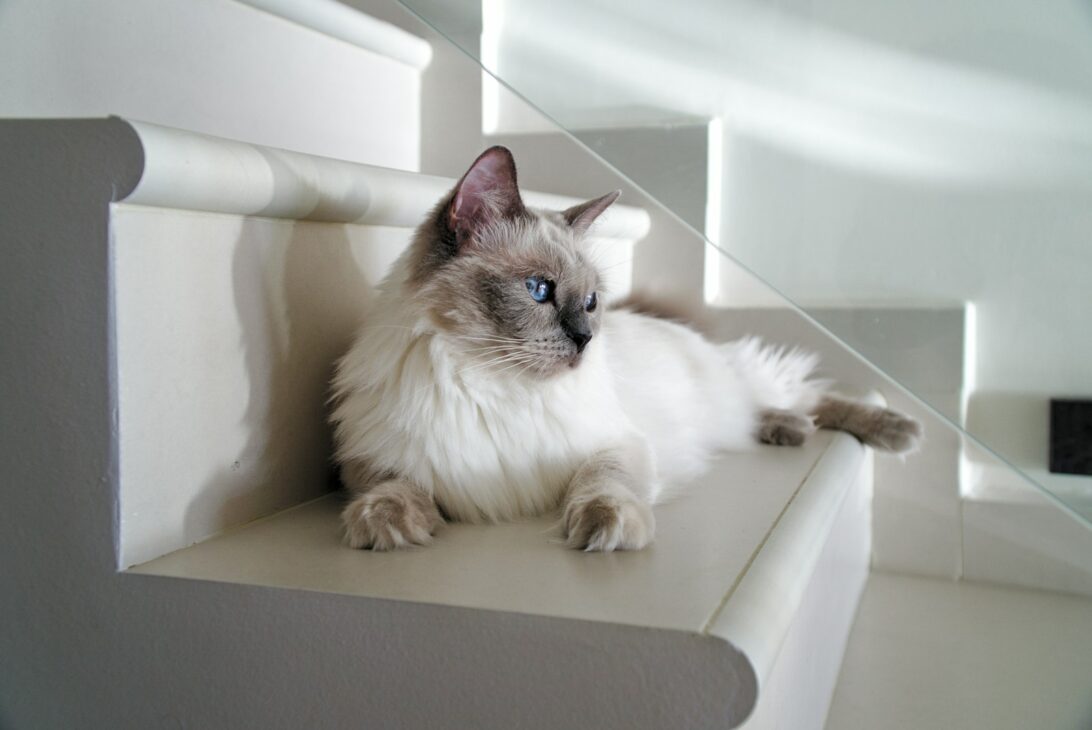
Ragdoll cats have long, silky fur—but unlike other long-haired breeds, they don’t have a dense undercoat, which means less shedding and fewer tangles.
Grooming checklist:
- Brush at least once or twice a week to prevent matting
- Use a metal comb or slicker brush for best results
- Bathe occasionally, especially during shedding season
- Regular nail trimming and dental care are also essential
While grooming is relatively low-maintenance, it’s still important to establish a routine early on so your ragdoll becomes comfortable with handling.
Health & wellbeing
Ragdolls are generally robust and healthy, but like all breeds, they can be prone to specific genetic conditions.
Common concerns to monitor:
- Hypertrophic cardiomyopathy (HCM): a common heart condition in cats
- Urinary tract issues
- Obesity (due to their laid-back nature)
Regular care includes:
- Annual vet checkups
- Vaccinations and parasite prevention
- A balanced, high-quality diet
- Plenty of fresh water
Consider pet insurance to help cover any unexpected vet expenses—especially if your ragdoll develops a long-term health condition.
Is a ragdoll cat right for you?
Ask yourself:
- Do you want a sociable cat that seeks affection?
- Are you home often enough to give them attention?
- Can you commit to regular grooming?
- Do you prefer indoor cats for safety and health?
If you said yes to most of these, a ragdoll could be your perfect feline companion.
Final thoughts: life with a ragdoll cat
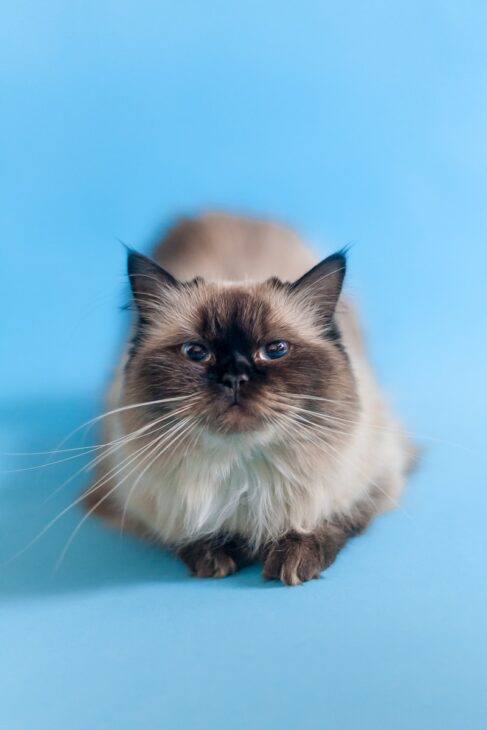
Ragdoll cats are more than beautiful—they’re loving, intelligent, and incredibly easy to live with. Their peaceful presence, loyalty, and affectionate nature make them ideal for families, singles, seniors, and even first-time pet parents.
With just a little love, grooming, and playtime, your ragdoll will reward you with endless cuddles, calm companionship, and years of joy.