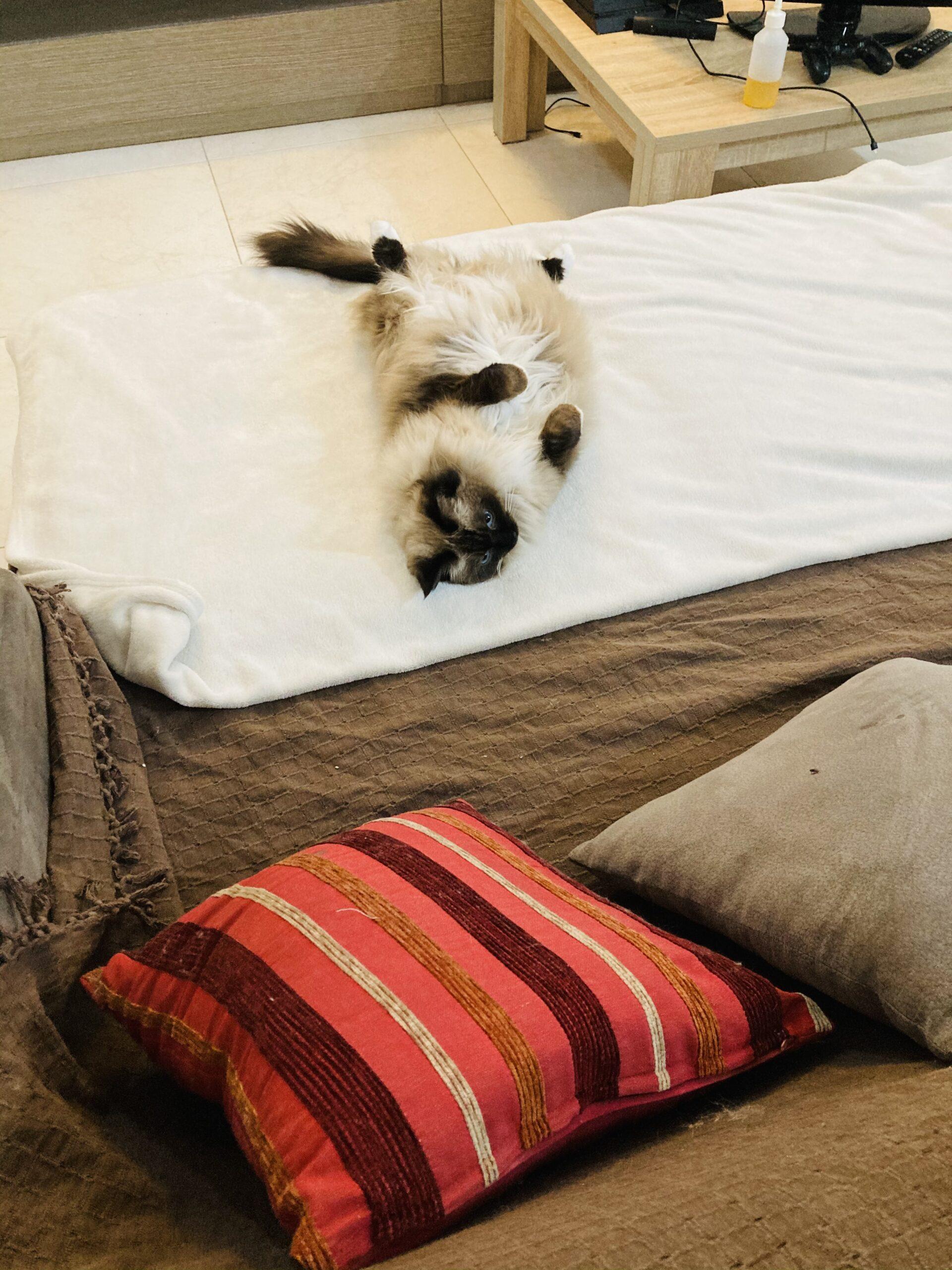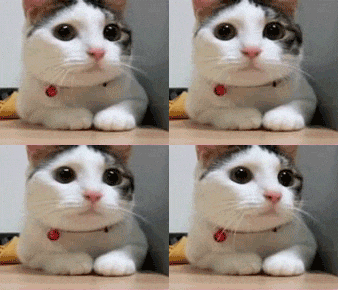
We sure do love our Ragdolls. To get to know your babies, you need to learn about their personalities and fun facts about their breed. Here are some of the things I like best about Ragdoll cats.
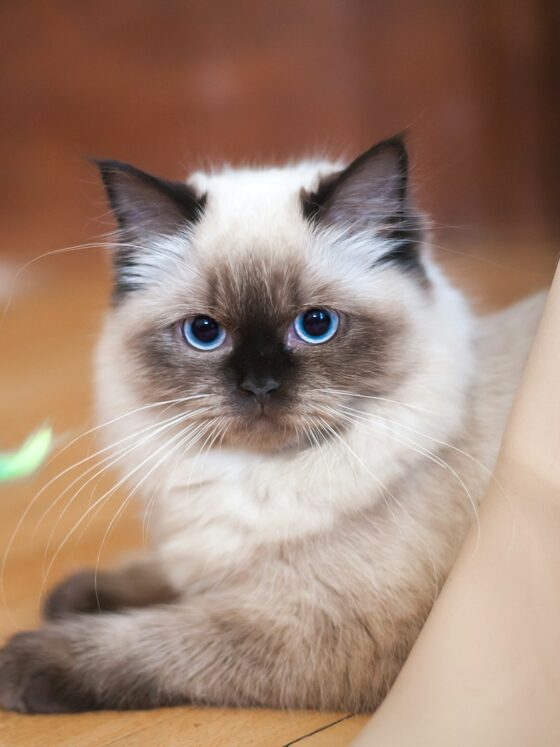
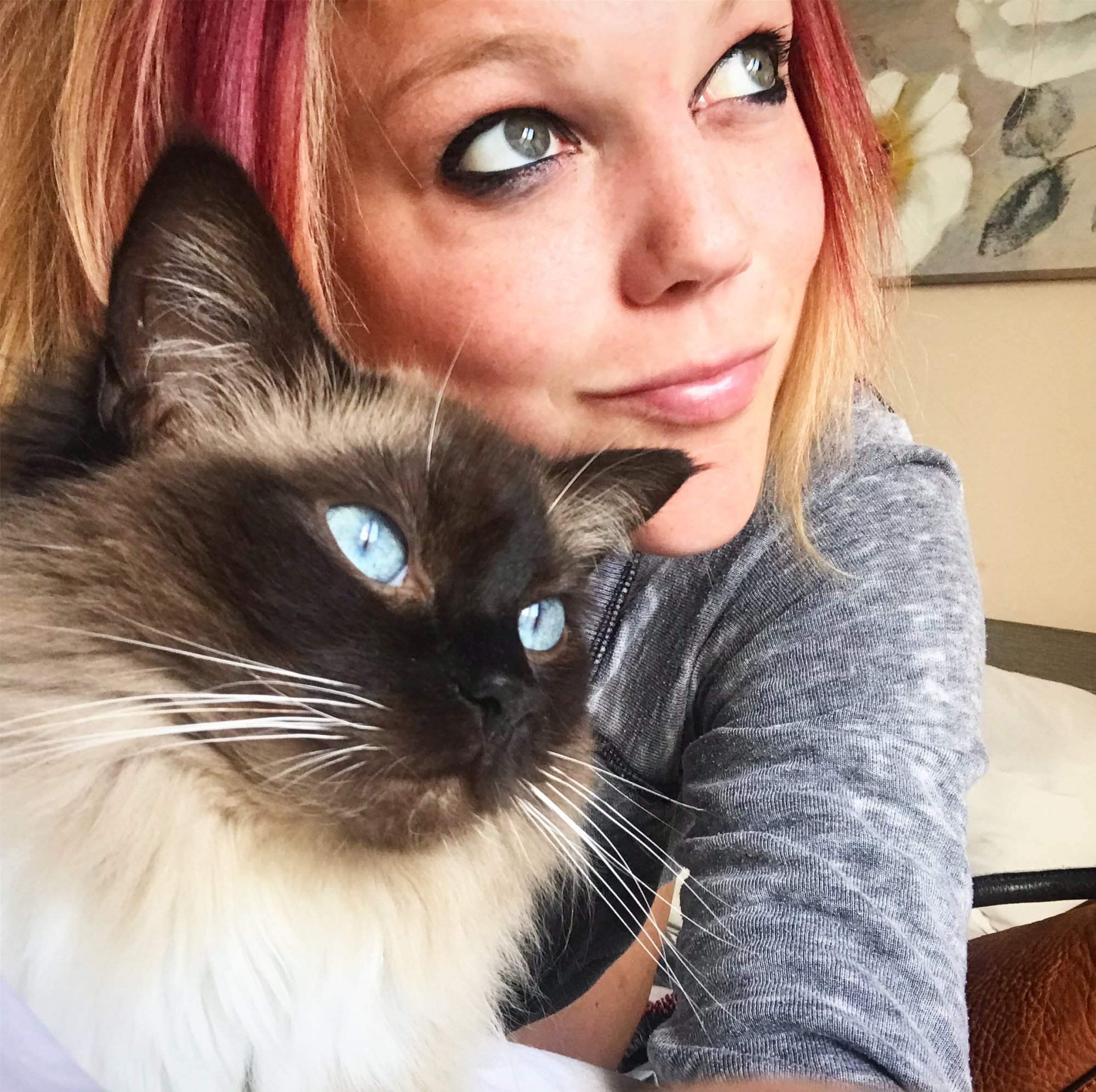
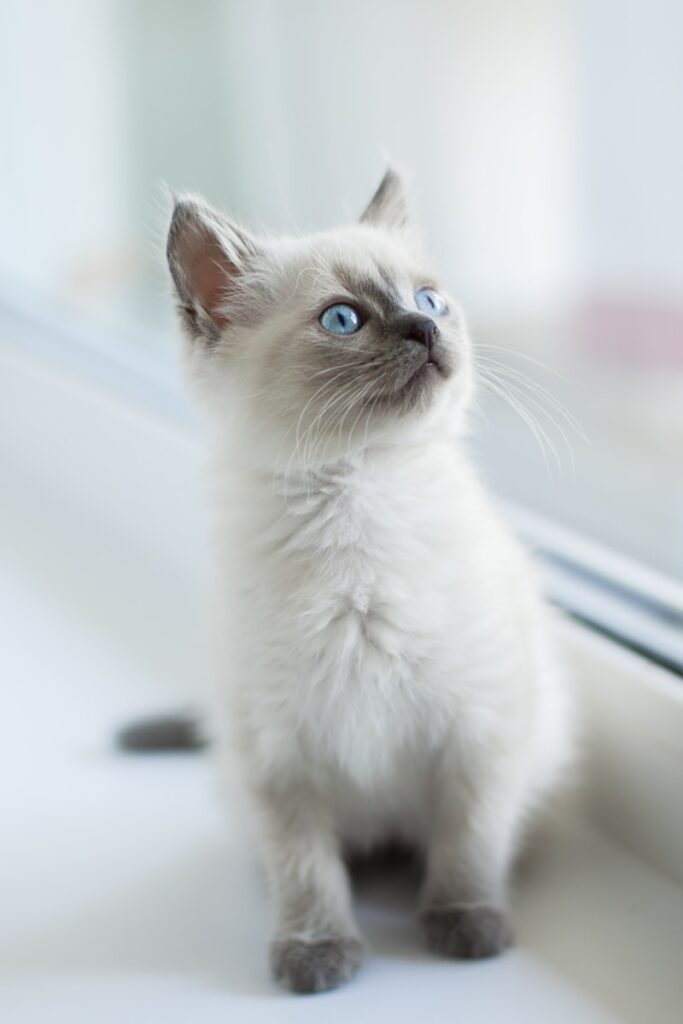
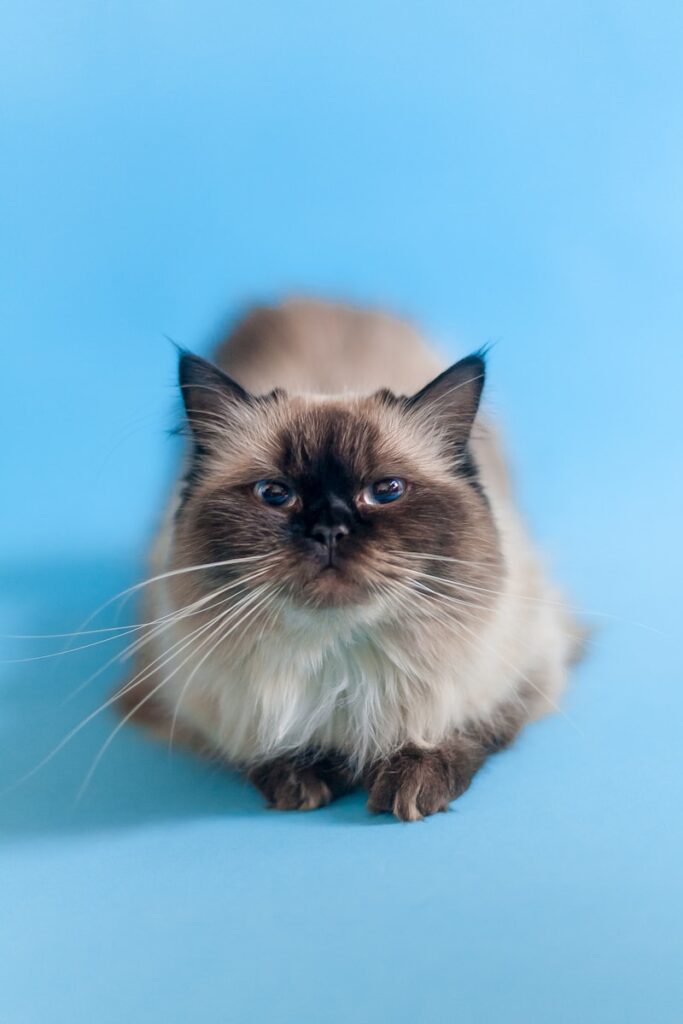
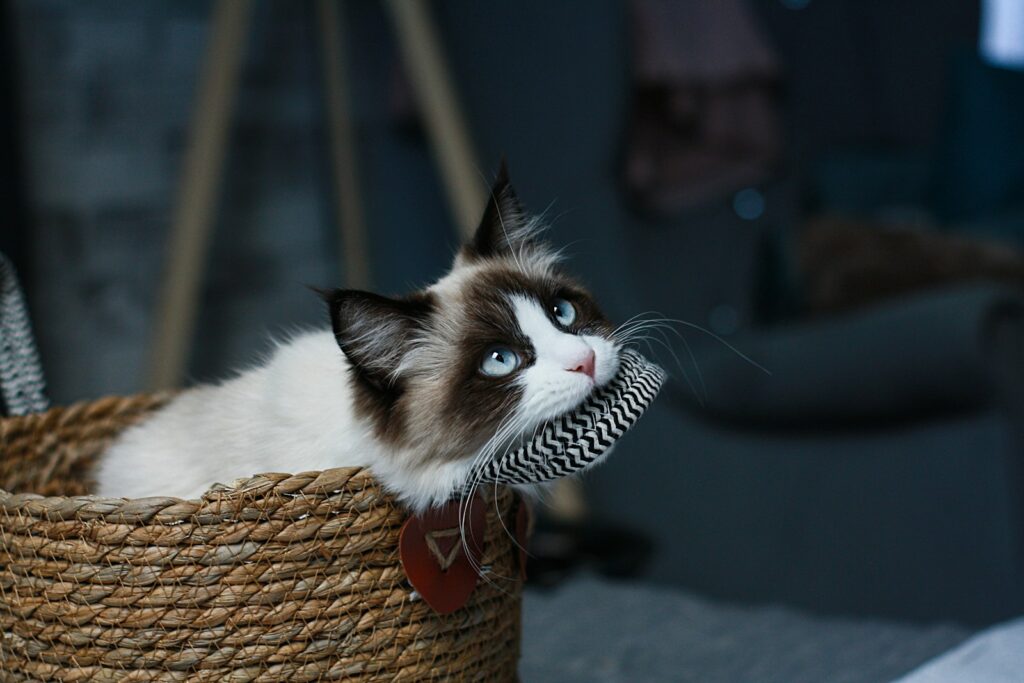
All of them have gorgeous blue eyes.
This isn’t a big surprise. The eyes on ragdolls can be different sizes and shades of blue. However, you should be aware that ALL purebreds have blue eyes. If your Ragdoll’s eyes are green or yellow, she is most likely a mix. I’ve seen on some websites that Ragdolls have eyes that aren’t just one colour.
They are one of the largest cat breeds that can be kept as pets
When we look at pictures of ragdolls, they are so cute that we almost think they are small. On the other hand, Ragdoll cats are one of the biggest breeds of domestic cats. All of this isn’t just filler either. They can weigh up to 20 pounds and have a medium-to-long coat to be about the size of a small dog.

They are like dogs in many ways.
Some cats are like dogs in the way they act and think. Ragdolls are like dogs in a lot of ways, like being loyal and fun. They love being with their people and are very loyal to their families.
Ragdolls will even wait patiently outside a door for their owner to come and play with them (sometimes, I see a little paw reach under the door and beckon me to open the door!)
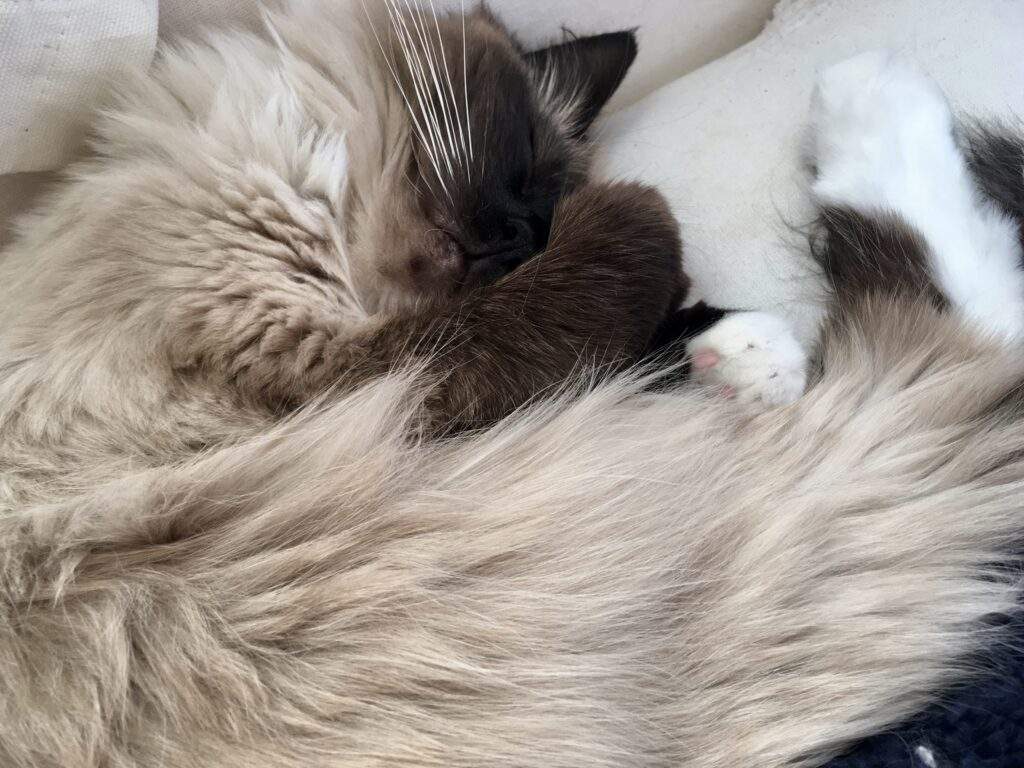
They like to play just like any other cat, but they have also been known to play fetch. The first time each of my Ragdolls played fetch, they did it independently without any training. Ragdolls also like to walk around with their favourite toys in their mouths, like happy dogs. Some are so happy to see their owners that they run up to the door to greet them, but don’t expect them to bring you the paper.
Ragdolls are always quiet
Even though my dogs like to talk, this breed is usually quiet. This can be good, but the breeder from whom I got my first Ragdolls warned me that they are so quiet that they don’t show pain or distress.
When my male Blue Point, MacIntosh, had trouble with his bladder, I found this to be true. He didn’t show any signs of pain at all and even stayed on my lap and purred.
He was like, “Nothing had changed.” I took him to the vet because I noticed he was going to the litter box a lot.
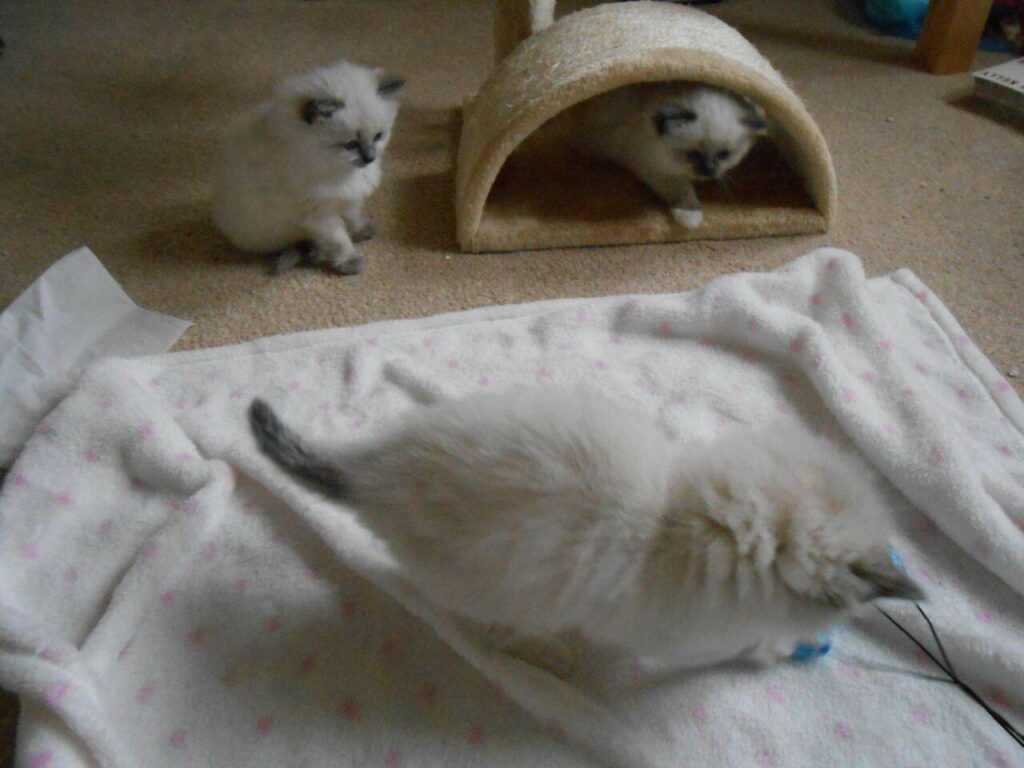
Ragdoll kittens are all white when they are born
They get their colour and pattern between one and two weeks of age. The breeder can then predict what colour and pattern they will have.
Because of the colour and pattern of the parents, the breeder can also guess what possible colour and pattern combinations a litter of kittens will have.
Ragdolls grow up when they are 4 years old
Ragdolls are a type of cat that grows up slowly. This means they aren’t considered adults until they are 4.
They can continue to get bigger during this time, and their patterns may not change much. Some have been seen to keep growing even after their fifth year.
Ragdolls live longer than most dogs and cats.
Ragdolls are one of the cat breeds that can live the longest. Even though there is a lot of disagreement about how old a Ragdoll should be, most people agree that they live between 15 and 20 years.
Keep in mind that this is for a cat that stays inside. Having an indoor/outdoor cat or a cat that only lives outside exposes them to many diseases and risks that could kill them, bringing this average down.
Putting Ragdoll Myths to Rest
Some “facts” about Ragdolls that people say are true are just myths. If you’re considering getting a Ragdoll cat, it’s essential to know the answers to these questions.
Not all of them are soft and cuddly
OH BOY! This is a fact about Ragdoll cats that I need to set straight!!! Some Ragdolls like to be held and cuddled, but not all of them do.
Ragdolls are each unique in how they act. How a Ragdoll is raised can sometimes affect whether it will be floppy or snuggly. Don’t get a Ragdoll if you want a floppier cat right away. This breed has this trait, but not all of them have it.
Ragdolls are NOT good for people with allergies
This is a myth because they don’t have an undercoat. Many allergies are caused by this undercoat shedding too much. Other allergies are caused by cat saliva, which is still a factor with a Ragdoll.
Ragdolls DO lose their fur
As we just said, Ragdolls don’t have an undercoat, which means they shed less, don’t get matted hair, and don’t need as much grooming.

They still shed, though. Even though their fur is as soft as a rabbit’s, it will still shed like any other cat. Learn more about the Ragdoll’s best feature, their beautiful coat.
Ragdolls DO feel pain
Because Ragdolls are calm, quiet, and loving, it might be hard for you to notice when they are in pain.When cats are sick, they often howl or just start acting “weird.”
Since Ragdolls don’t usually howl, you may need to pay more attention to yours. This doesn’t mean they don’t feel pain; they are better than most breeds at hiding it and getting through it.
Ragdolls are NOT deaf
This idea comes from the fact that they have blue eyes. Blue-eyed cats are more likely to be deaf, but this is mostly true for pure white cats. Ragdolls can be different colours and don’t have the same mutation as pure white cats.