The Titanic sank on 15 April 1912, taking more than 1,500 lives and cementing its place as one of the most devastating tragedies in maritime history. But beyond the well-known legends, the ship’s story is filled with rare, strange, and often overlooked details that paint a much richer picture of what really happened.
Here are 32 genuinely fascinating, verified facts each backed by trusted historical sources that reveal the lesser-known side of the Titanic.
1. The Titanic had its own daily newspaper
The Atlantic Daily Bulletin was printed onboard every single day. It included wireless telegraph updates, stock prices, racing results, adverts, society gossip, and the daily menu.

2. Third class had only two bathtubs for nearly 700 people
Most third-class passengers relied on washbasins in their cabins. Only two communal tubs existed for all of steerage.
3. Two dogs survived the sinking
Out of nine dogs onboard, a Pomeranian and a Pekinese were brought into lifeboats wrapped in blankets.
4. The ship burned 600 tonnes of coal every day
A team of 176 firemen hand-shovelled coal 24/7, dumping around 100 tonnes of ash into the sea daily.
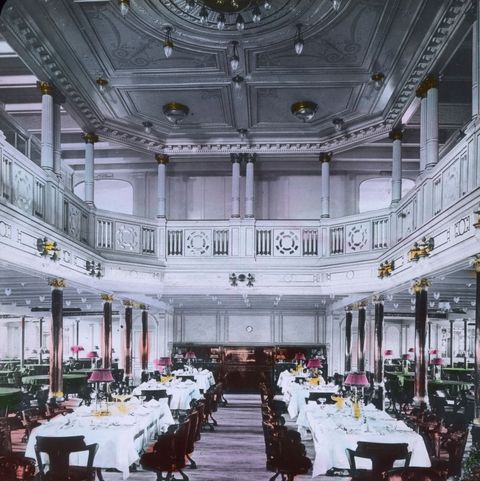
5. First-class alcohol stock was enormous
The ship carried 20,000 bottles of beer, 1,500 bottles of wine, and 8,000 cigars mostly for first class.
6. Construction caused 246 injuries and two deaths
Documented in Harland & Wolff’s official shipyard reports.

7. The Size of Titanic
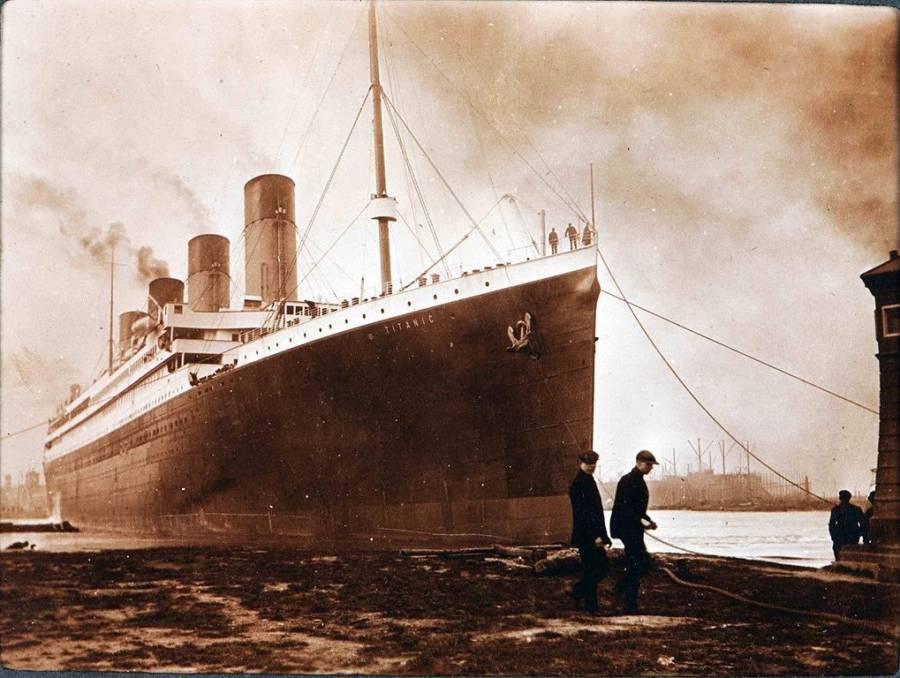
It was 882 feet (269 metres) in length and 175 feet (53 metres) in height.
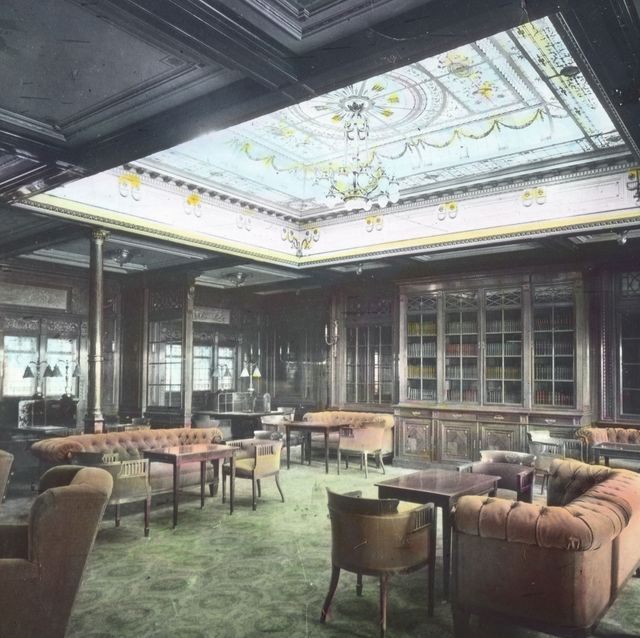
8. Smoking for men only
The first-class smoking lounge was for men only.

9. The doctor on board
William Edward Minahan, a doctor from Fond du Lac, Wis., had his fortune read shortly before the voyage. The fortune teller predicted his death aboard the ship. She was right.
10–12. The survival rates
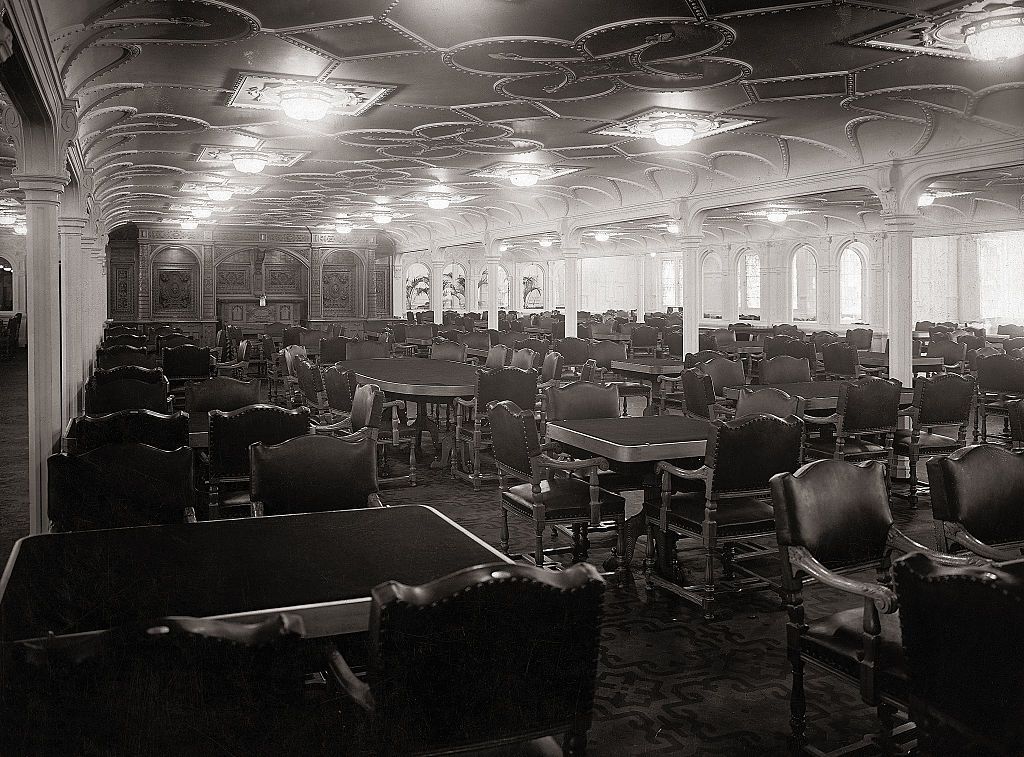
- First class: About 60% survived
- Second class: About 42% survived
- Third class: Only 25% survived
The numbers speak volumes about inequality aboard the ship.
13. The final SOS position was incorrect
The coordinates the Titanic sent out were not accurate, making the rescue effort even more difficult.

14. Twenty horses were needed to transport the main anchor
15. Titanic’s launch almost caused a collision
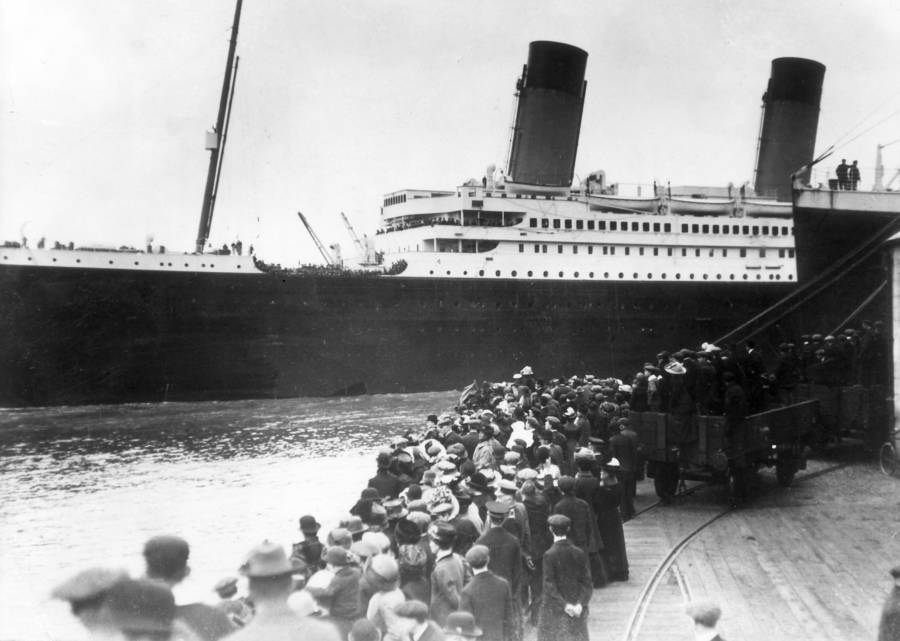
Its wake was so enormous that it sucked in a nearby ship.

16. More than 1,500 people died
A stark reminder of the scale of the disaster.
17. Third-class cabins were cramped
Most contained four to six bunks with extremely limited space.
18. A four-year-old survivor
Little Pope boarded with her mother. Her father managed to jump into the lowering lifeboat. She later lived to 84 in Milwaukee.
19. The Titanic’s fitness facilities
Surprisingly modern:
- Two libraries (one first-class, one second-class)
- Swimming pool
- Gymnasium
- Squash court
- Turkish bath
20. First-class passengers enjoyed an 11-course final dinner
The menu included oysters, foie gras, lamb, and French desserts.
21. The Carpathia reached survivors at 4:10 a.m.
An hour after the Titanic disappeared beneath the water.
22. Music on demand
First-class passengers received a music book with 352 songs. The musicians had to know them all.
23. Famous no-shows
Several notable people held tickets but didn’t sail, including:
- Milton S. Hershey (Hershey’s chocolate founder)
- Guglielmo Marconi
- Alfred Gwynne Vanderbilt (who later died on the RMS Lusitania)
24. The last remaining survivor
Millvina Dean died on 31 May 2009 at 97. She was only two months old during the sinking.

25. Construction cost
The Titanic cost $7.5 million to build about $200 million+ in today’s value.
26. A child identified 95 years later
The body of a two-year-old boy was finally identified in 2007 as Sidney Leslie Goodwin using DNA testing.
27. The wealthiest passenger
John Jacob Astor, the richest man on board, was found with his gold pocket watch still hanging from its chain.
28. Twenty-six honeymooning couples were on board
29. Only 306 bodies were recovered
The dead were taken to Halifax, Nova Scotia, where the Maritime Museum still displays items such as a recovered deckchair, shoes, and mortuary bags.

30. Lady Duff Gordon, fashion designer
Lady Duff Gordon and her husband survived but later faced accusations of bribing crew members to row away with only 12 people in their lifeboat.

31. The band played to the end
All eight musicians died in the sinking. Their bravery remains one of the most famous Titanic stories.
32. A lifeboat was found a month later
Nearly a month after the disaster, one of the lifeboats was discovered floating with three bodies inside.
Conclusion
More than a century after its tragic sinking, the Titanic continues to fascinate the world. These extraordinary facts reveal just how remarkable, luxurious, and ultimately heartbreaking the ship’s story truly was. From opulent first-class dining to cramped third-class cabins, from heroic musicians to the dogs that survived, every detail paints a richer picture of life aboard history’s most famous ship.
The Titanic was more than an ocean liner it was a symbol of human ambition, innovation, and vulnerability. Its legacy lives on through museums, memorials, survivor accounts, and the countless stories still being uncovered today.
Whether you’re a history lover, a Titanic enthusiast, or simply curious, exploring these hidden details reminds us why the ship remains one of the most unforgettable chapters in maritime history.