The TikTok that started it all
There I was, deep in a doom-scroll rabbit hole on TikTok, when I landed on a video that sent a chill down my spine. A grainy voiceover said:
“Squid Game was inspired by a real-life event. In 1986, in a no-man’s-land bunker in South Korea, hostages were forced to play deadly games. The inhuman host was never found.”
Hold up. What? A real Squid Game? In an actual bunker? My inner detective was instantly on the case. Cue caffeine, open tabs, and frantic Googling. Could Squid Game really be based on the horrifying 1986 South Korean hostage crisis?
Time to dig in.
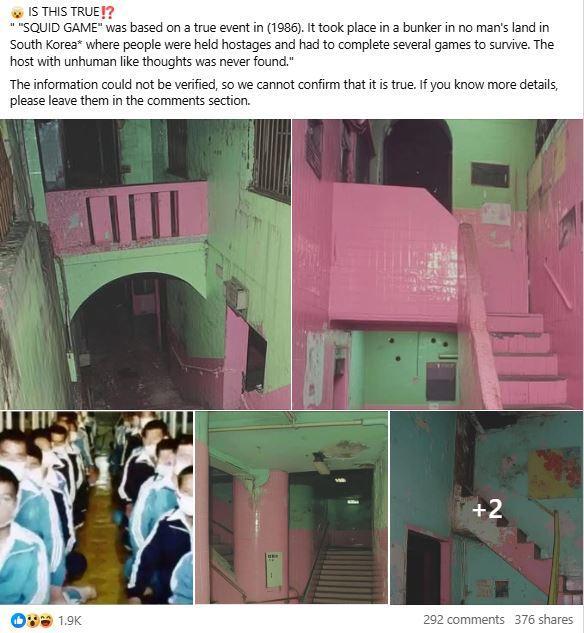
The viral theory: a bunker, hostages, and sinister games
This theory isn’t new; it’s been bouncing around Reddit, TikTok, and online forums for a while. Search “Squid Game real event 1986″, and you’ll see pages of so-called evidence pointing to a shadowy tale of forced games, vanishing hosts, and a deadly underground experiment that supposedly inspired Hwang Dong-hyuk’s 2021 global hit.
Some even name-drop Brothers Home, a real 1980s welfare facility in South Korea, known for its shocking abuse scandals. From there, the connections begin to form, albeit in a messy manner. But here’s the thing:
There is no concrete evidence to support the existence of a death-themed bunker gameshow.
The fact-checkers step in.
Thankfully, reputable sites like AFP Fact Check and Snopes swooped in to investigate. And, surprise—this viral theory falls apart faster than a Dalgona candy under pressure.
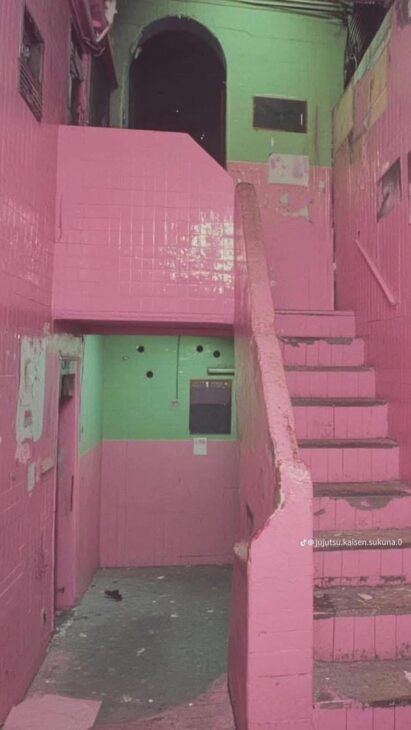
✔ No news reports exist from the time confirming any 1986 bunker-related hostage case.
✔ No official records, survivor accounts, or credible investigations support this myth.
✔ No missing “inhuman host” was ever reported, unless you count YouTubers with too much time on their hands.
The supposed “event” is, in short, fiction dressed up as fact, a mashup of real-life horrors and clickbait-style myth-making.
So what’s the real story behind Squid Game?
While there’s no underground gladiator pit, there is a dark historical backdrop. Brothers Home did exist—and the horrors inside were brutal. Think: forced labour, military-style punishments, starvation, and human rights violations.
But as awful as that chapter is, it wasn’t a deadly game show. There were no rounds of tug-of-war or glass bridge jumps.

So where did the inspiration really come from?
Hwang Dong-hyuk, the creator himself, cleared that up. His concept stemmed from:
- His personal experience with financial debt
- South Korea’s class divide and rising economic inequality
- Classic dystopian fiction like Battle Royale, Kaiji, and Liar Game
So, no secret bunkers. Just brutal reality, viewed through a satirical, surreal lens.
Myth vs Reality: A Squid Game Fact Check
| Viral Rumour | Verified Truth |
|---|---|
| Secret 1986 bunker used for deadly games | No records exist—debunked by AFP, Snopes, and the Korean press. |
| Inspired by real bunker hostages in no-man’s-land | Unsubstantiated, not part of the show creator’s statements |
| Brothers Home was the original “game arena.” | A real institution with abuses, but no game format involved |
| Squid Game reflects true events. | Inspired by real social inequality, not literal re-enactment |
Bunkers are great for fiction but lousy for facts.
Let’s be honest—there’s something thrilling about a hidden underground lair full of twisted challenges. But in real life? The truth is often less cinematic and far more unsettling.
The true villain in Squid Game isn’t a mask-wearing mastermind; it’s a broken system. The lack of social mobility is one of the many factors at play. The crushing weight of debt. The desperation that forces people to risk everything for a second chance.
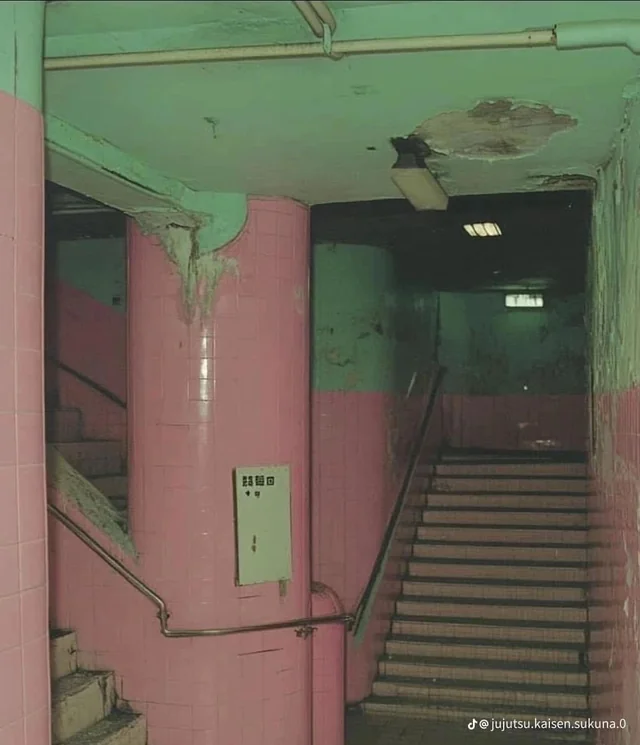
That’s the horror Hwang wanted us to feel. And it worked.
Why people believe these theories
So why do we want to believe there was a real-life Squid Game?
Because it’s juicier. It’s viral gold. And frankly, real life sometimes feels so dark, we expect the stories to be even darker. But here’s a reminder: just because something’s trending doesn’t make it true.
If you’ve ever whispered, “This can’t be real,” while watching a TikTok, take a breath, do a little research, and remember creepy doesn’t always mean credible.
So, what did I learn?
If you’re wondering whether Squid Game was inspired by a real bunker hostage case, the answer is:
Nope. But the truth is just as haunting—if not more.
From economic despair to survival instincts, Squid Game hits home not because it’s real, but because it feels real. It reflects a world where inequality is the true villain.
And if you ever get lured in by another internet conspiracy (looking at you, the Avril Lavigne clone theory), take it from me: fact-check first, share second.
Related articles you might like:
- Lucifer Morningstar: misunderstood devil or hero?
- 10 times The Simpsons actually predicted the future
What’s your take?
Have you ever really got into conspiracy theories? Do you think Squid Game’s message would’ve hit harder if it were based on real events? Drop your thoughts below. I’ll be the one with five tabs open and a Dalgona cookie in hand.
FAQ: Was Squid Game Based on a True Story? | 1986 Bunker Myth Debunked
Is Squid Game based on a true story?
No. Squid Game is a fictional series created by Hwang Dong-hyuk. While it explores real issues like debt, inequality, and social pressure, the deadly competition itself is entirely fictional.
What is the 1986 bunker myth?
A viral internet claim suggests that Squid Game was inspired by a secret 1986 bunker where people were forced to compete in deadly games. There is no credible evidence that such an event took place.
Is there any truth to the bunker story?
No. The story has been widely shared online but has not been supported by reliable historical records or verified sources. It is considered an internet myth.
Where did the originator come from?
The rumour appears to have gained traction through social media posts, videos, and online articles that mixed fictional storytelling with real historical events, leading many people to believe it was true.
Was Squid Game inspired by real events at all?
The creator has said the series was inspired by economic inequality, personal financial struggles, and survival-themed manga and comics, rather than a specific real-life event.
Did the creator confirm the bunker theory?
No. Hwang Dong-hyuk has never stated that the series was based on a secret bunker or a real-life death game.