
Finding a job these days can feel like trying to win a game without knowing the rules. You need experience, connections, or sometimes just sheer luck. But what do you do if you don’t have any of that? Fear not! Here are some engaging tips to transform your CV into a standout showcase and excel in your interviews.

Back to basics
First and foremost, your CV must encompass the essential elements. Think of it as the foundation of a great pizza—without the crust, it all falls apart. Make sure to include:
- Your name and contact details
- Education and qualifications
- Work history and relevant experience
- References (either detailed or “available upon request”).
Yes, it might feel dull, but these are non-negotiables. Forget them, and you’ll be ghosted before you even start.
Presentation matters
Keep it short and snappy! A one-pager is gold; two pages are fine if needed. No one wants to read your autobiography, so stick to the highlights.
- Use a clean, professional font like Arial or Calibri—no Comic Sans, please.
- Keep the font size reasonable. Employers are not squinting toddlers.
- Don’t include irrelevant fluff like your love for knitting cat jumpers unless it directly connects to the job.
Pro tip: Many CVs end up in the dreaded “no” pile because of poor formatting. Ensure your CV is well-organised to prevent it from ending up in the trash!
Give your CV a unique boost
Stand out by giving back! Employers love seeing candidates who’ve volunteered or taken initiative. It shows you care, learn, and grow.
- Volunteer at a charity shop, farmers’ market, or community event.
- Look for roles that align with your desired field—like helping at an art gallery if you’re into design.

These experiences scream, “I’m proactive and well-rounded,” and they’ll add a unique twist to your CV.
Master the digital basics
In today’s tech-savvy world, knowing your way around Excel and PowerPoint (or tools like Prezi) is a must.
- Build a few spreadsheets and practice formulas.
- Create a killer presentation with smooth transitions and visuals.
Many jobs require these skills, so flaunt them confidently. If you don’t have these down yet, hop online for free tutorials and start learning today!
Scrub your social media
Your social media is your digital front door, and employers are definitely peeking through the window.

- Remove or hide any questionable posts (goodbye tequila-fuelled karaoke videos).
- Update your LinkedIn profile with a professional photo and achievements.
- Consider starting a blog or portfolio showcasing your skills to dominate search results with positive content.
Pro tip: A clean and professional online presence makes you memorable for the right reasons.
Research like a pro
Want to really shine? Do your homework.
- Look up the company, their values, and recent achievements.
- Stalk (politely) the person interviewing you—find common ground like shared interests.
Knowing the company’s latest award or their CEO’s favourite book could turn a good interview into a great one.
Proofread, proofread, proofread!
Nothing kills your chances like typos or poor grammar. Triple-check your CV and cover letter.
- Use tools like Grammarly or Hemingway for a quick polish.
- Ask a friend or mentor to review it too.
You wouldn’t show up to a date with spinach in your teeth, so don’t send a CV with mistakes!
Dress to impress
Your outfit speaks before you do. Wear something one level above the company’s usual attire.
- For corporate roles, think sharp suits and clean shoes.
- For creative jobs, opt for trendy yet professional.
And remember, avoid overpowering perfumes or wrinkled clothes—it’s the small details that count.
Arrive early, prepared, and composed
Show up 15-20 minutes early to calm your nerves and prepare.
- Bring multiple copies of your CV in a neat folder.
- Greeting everyone, from the receptionist to the interviewer, with a warm smile.
First impressions matter, and punctuality says, “I’m reliable.”
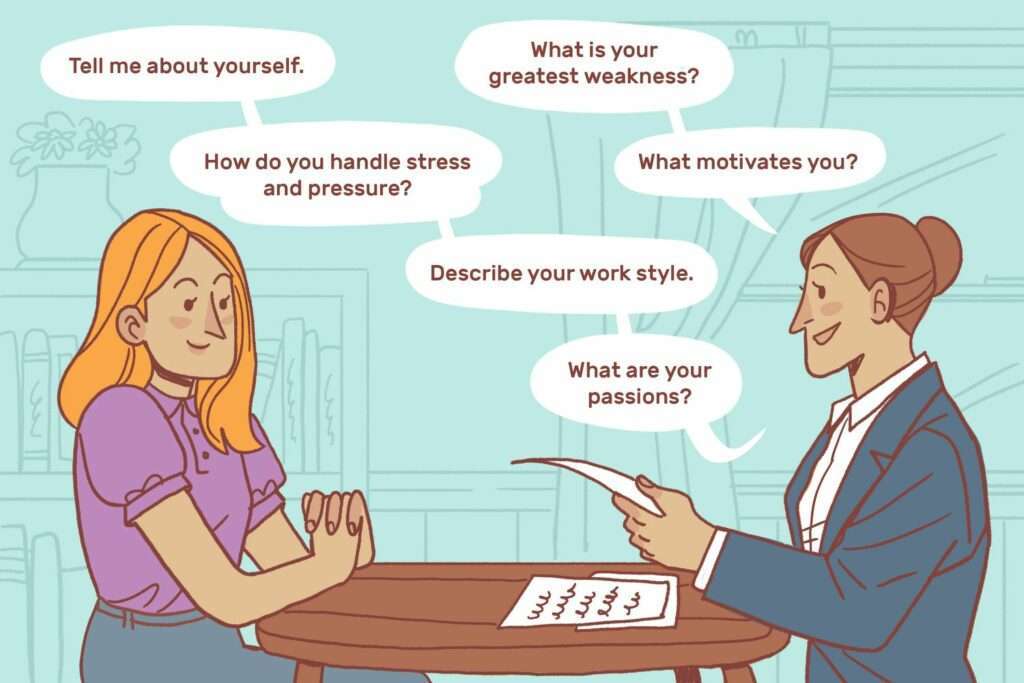
Engage during the interview
Don’t let it be a one-sided interrogation. Ask questions like:
- “What’s your favourite part about working here?”
- “How do you see this role evolving in the next few years?”
This shows genuine interest and makes the conversation flow naturally.

Confidence and personality
Finally, exude confidence (but not arrogance) and let your personality shine. Employers want someone skilled, personable, and a good fit for their team.
In conclusion
Nail these steps, and you’ll leave a lasting impression. Even if you don’t land this job, you’ll gain invaluable experience for the next opportunity. So go ahead—update that CV, prep for your interview, and wow them with your charm and expertise!
Ready to ace it? You’ve got this!