
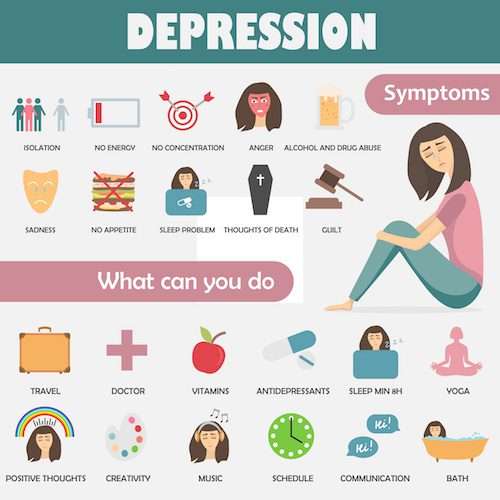
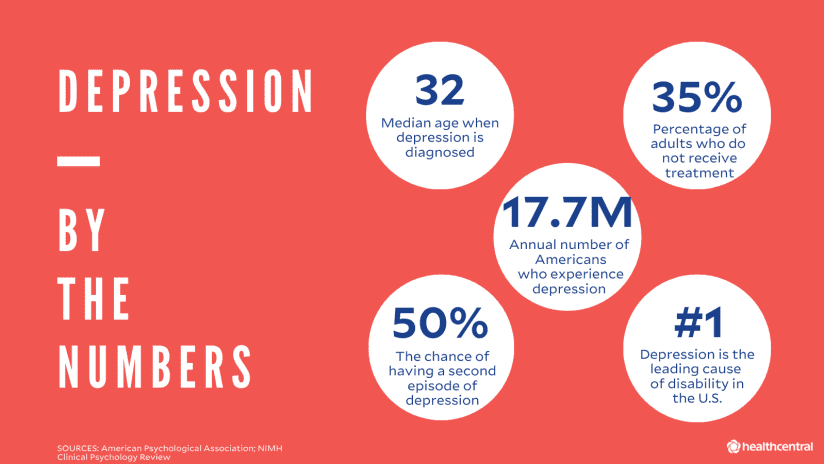
Everyone feels low from time to time. But when the blues start showing up more often, it’s important to take them seriously. While professional support is always key, your diet can play a surprisingly large role in helping stabilise your mood. Is your diet one of the most powerful ways to support emotional health? A healthy body is fuelled with the right nutrients.
Why serotonin matters
Serotonin is often called the “feel-good” neurotransmitter. It plays a big role in calming the mind, improving sleep, and stabilising moods.
When serotonin levels dip, it can leave you feeling anxious, irritable, or down. What is a common trigger for low serotonin levels? One common trigger is not eating enough carbohydrates. Carbs help the body absorb tryptophan, an amino acid needed to produce serotonin. Without them, your brain may struggle to keep mood levels steady.
That’s why eating at regular intervals and making smart food choices can be one of your strongest defences against depression.
Omega-3-rich fish
Dinner options like salmon and mackerel are rich in omega-3 fatty acids, which support both brain health and heart health. Research links omega-3s to a lower risk of depression. They also reduce the chances of heart disease, stroke, and certain cancers.
Salmon also contains selenium, an antioxidant mineral that may help improve mood. When buying salmon, choose wild varieties over farmed Atlantic; they’re higher in omega-3s.
Vitamin E power
Studies have shown that people with depression often have lower levels of vitamin E. Oils should be used in moderation. Canola oil is a beneficial, lighter source of this nutrient. It works well for sautéing vegetables.

Folate-filled greens
Dark leafy vegetables like spinach, kale, and peas are excellent sources of folate, a B vitamin essential for serotonin production. They’re also packed with fibre and vitamin C. Always choose fresh over canned when you can, as canning reduces nutritional value.
Legumes and chickpeas
Legumes are nutrient powerhouses: high in folate, protein, and fibre but low in fat. Chickpeas, in particular, are loaded with protein, iron, and vitamin E.
Try this quick mood-boosting hummus: blend drained chickpeas with garlic, lemon juice, and a drizzle of olive or canola oil. Add salt, pepper, or your favourite spices. Pair it with fresh vegetables for a snack that’s filling and nourishing.

Poultry picks
Chicken and turkey are excellent sources of vitamin B6, another nutrient that helps the body produce serotonin. Both are also rich in selenium, supporting overall mood and immune health.
The takeaway
No single food is a cure for depression, but a diet rich in omega-3s, vitamins, folate, and lean protein can make a real difference to your mood and wellbeing.
If you’ve been feeling low for a while, don’t hesitate to reach out to your doctor. Diet is a powerful tool, but sometimes extra support and treatment are needed.
FAQ: How Nutrition Impacts Your Mental Health
Can the food I eat affect my mental health?
Yes. While nutrition isn’t a cure for mental health conditions, a balanced diet can support brain function, energy levels, mood, and overall wellbeing.
Which nutrients are important for brain health?
Some key nutrients include:
- Omega-3 fatty acids
- B vitamins
- Vitamin D
- Iron
- Magnesium
- Zinc
- Protein
- Fibre
These all play a role in supporting healthy brain function.
Can poor nutrition affect my mood?
It can. Regularly eating a diet high in ultra-processed foods and low in essential nutrients may contribute to low energy, irritability, and difficulty concentrating. Many factors influence mood, but nutrition is one piece of the puzzle.
What foods are good for mental wellbeing?
Some nutritious choices include:
- Oily fish
- Eggs
- Leafy green vegetables
- Whole grains
- Berries
- Nuts and seeds
- Yoghurt
- Beans and lentils
Can skipping meals make me feel worse?
For some people, yes. Going long periods without eating may cause blood sugar levels to drop, leaving you feeling tired, irritable, shaky, or unable to concentrate.