

People have different reasons for a vegetarian diet. For many, it’s a health problem. They need to lose weight, lower blood pressure and cholesterol, and control blood sugars. A vegetarian diet benefits them.

What is Peta? Why it matters

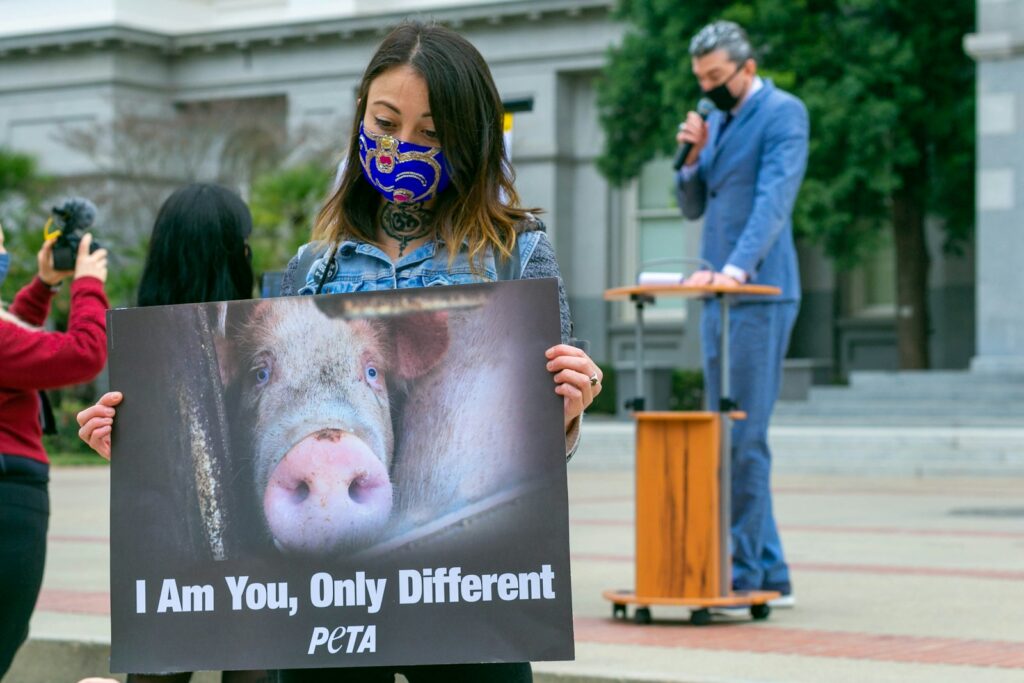
PETA stands for People for the Ethical Treatment of Animals. It is the world’s largest animal rights organisation, with millions of members and supporters worldwide. Founded in 1980, PETA has become a leading voice for changing the way humans think about and treat animals.

The organisation campaigns against the use of animals for food, clothing, entertainment, and scientific testing. Their message is simple but powerful: animals are not ours to eat, wear, experiment on, or use for entertainment.

PETA stands for Citizens for Animal Humane Care, an association committed to transforming human mentality.

They are against using animals for food or clothing, particularly for what they consider unnecessary or inhumane use of animals, such as killing or trapping them for their fur.

What is Peta? Why it matters

Why People Choose to Support PETA

People connect with PETA for many different reasons. For some, the choice is health-related adopting a vegetarian or vegan diet to lower blood pressure, manage cholesterol, or reduce the risk of disease.

For others, it’s an ethical decision. For centuries, human beings have placed themselves above animals, treating them as resources rather than living creatures with needs and feelings. PETA challenges this way of thinking, arguing that animals deserve to live free from suffering, exploitation, and harm.

What is PETA? Why it matters

The Core Belief: Animals Have Rights

At its heart, PETA’s philosophy is rooted in the idea that animals have rights and that those rights matter as much as our own interests. Just like us, animals can feel pain, experience joy, and have the instinct to live their lives freely.

The organisation is especially outspoken against practices they see as cruel or unnecessary, such as:

  • Factory farming and industrial slaughterhouses
  • Using fur, leather, or exotic skins in fashion
  • Animal testing in laboratories
  • Circuses, marine parks, and other forms of animal entertainment

Rethinking Our Role as Humans

We live in an advanced, highly developed culture but how advanced can we truly be if our progress comes at the cost of animal suffering? Books like When Elephants Cry by Jeffrey Masson explore how deeply animals can feel, offering powerful insight into the emotional lives of creatures often dismissed as “less than.”

PETA pushes us to reconsider our place on this planet and our relationship with other species. Do we have the right to exploit them, or do we have the responsibility to protect them?

Why It Matters Today

The conversation about animal rights is more relevant than ever. With global movements towards sustainability, plant-based eating, and cruelty-free fashion, PETA’s voice continues to shape debates on how we live and consume.

Whether or not you agree with all of their methods, the core message resonates: animals are not objects. They are living beings with their own experiences, and how we treat them says as much about us as it does about them.

Final Thoughts

Learning about PETA is not just about understanding one organisation it’s about looking at the bigger picture of animal rights, sustainability, and compassion. Supporting, or at least engaging with, their ideas encourages us to ask difficult but important questions about how we live.

At the end of the day, PETA’s reminder is simple: animals are not ours to use, they are ours to respect.

FAQs: What Is PETA? Why It Matters

What is PETA?

People for the Ethical Treatment of Animals, better known as PETA, is one of the world’s largest animal rights organisations. Founded in 1980, it campaigns to protect animals from cruelty and promotes the idea that animals should not be used for food, clothing, entertainment, experimentation, or other forms of exploitation.

What does PETA stand for?

PETA stands for People for the Ethical Treatment of Animals.

What does PETA do?

PETA works on a wide range of animal welfare and animal rights issues. Its campaigns focus on ending animal testing, improving farm animal welfare, discouraging the use of fur and exotic skins, promoting vegan lifestyles, and helping animals affected by neglect or abuse.

Is PETA an animal charity?

PETA is a non-profit animal rights organisation. While it does rescue some animals and operates emergency services in certain areas, its primary focus is advocacy, public education, investigations, and campaigning for changes in laws and industry practices.

Why is PETA so well known?

PETA is famous for its high-profile campaigns, celebrity partnerships, eye-catching advertisements, and public demonstrations. Its bold approach has helped spark global conversations about how animals are treated.

Is PETA controversial?

Yes. PETA is one of the most debated animal organisations in the world. Supporters praise it for bringing attention to animal cruelty and influencing policy and corporate practices, while critics argue that some of its campaigns and tactics are intentionally provocative. People often have strong opinions on both sides.

Does PETA support adopting pets?

Yes. PETA encourages people to adopt animals from shelters rather than buying them from breeders or pet shops, helping provide homes for animals in need.

Does PETA only focus on pets?

No. PETA campaigns for many different animals, including farm animals, laboratory animals, marine life, wildlife, and animals used in entertainment.

How can I support animal welfare without joining PETA?

There are many ways to make a positive difference, including:

  • Adopting pets from shelters.
  • Supporting ethical and cruelty-free brands.
  • Donating to local animal rescues.
  • Volunteering at an animal shelter.
  • Learning more about responsible pet ownership.
  • Reducing waste that harms wildlife.

Does PETA work internationally?

Yes. While it was founded in the United States, PETA has affiliates and campaigns in several countries, working with supporters around the world.

What do you think?

Your email address will not be published. Required fields are marked *

No Comments Yet.