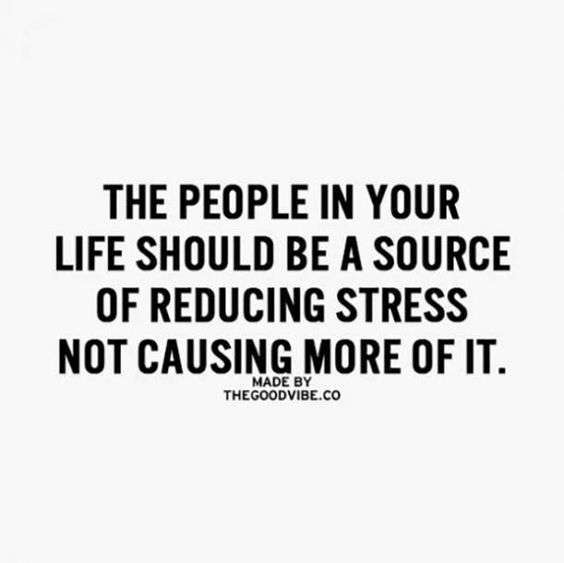
Let’s be real: relationships are supposed to make you feel supported, seen, and safe. But sometimes, instead of lifting you up, a connection leaves you drained, second-guessing yourself, or even dreading the next text notification. That, my friend, is the sign of a toxic relationship.
What’s the tricky part? Toxic connections don’t always announce themselves with flashing neon lights. They can sneak in slowly, blurring the line between “we all have flaws” and “this is actually harming me.” The good news: once you know the red flags, you can spot them early and take charge of your well-being.
So, grab a tea (or a glass of something bubbly), and let’s talk about spotting and managing toxic relationships and friendships.
The red flags you can’t ignore
Toxic behaviour can look different depending on the person, but there are some classic warning signs to watch out for:
- Constant negativity—they criticise your choices, mock your dreams, or seem to thrive on tearing you down. If every social gathering exudes an aura of negativity, it’s not indicative of normalcy.
- Lack of respect —boundaries are the foundation of healthy relationships. If someone repeatedly ignores you, dismisses your feelings, or treats you as “less than”, it’s a red flag.
- Manipulation and control —toxic people often rely on sneaky tactics like guilt-tripping, gaslighting, or emotional blackmail. If you feel like you’re always walking on eggshells, pay attention.
- One-sidedness: You provide, they extract. If you’re always the one checking in, making plans, or offering support—and they rarely show up for you that imbalance can take a toll.

Taking charge: how to deal with toxic connections
Okay, so you’ve identified the warning signs. Now what? Protecting your peace while deciding whether to improve the relationship or leave it behind is the next step.
- Set boundaries —boundaries are not rude; they’re necessary. Be clear about what’s okay and what’s not. For example: “I’m not comfortable when you make jokes about my body.” Then stick to it.
- Prioritise self-care – When you’re in a toxic dynamic, self-care isn’t optional; it’s survival. Do things that recharge you—journaling, workouts, cooking, taking walks with friends and remind yourself who you are outside that relationship.
- Seek support —talk it out with a trusted friend, family member, or even a therapist. Sometimes, you need an outside perspective to see just how unhealthy a situation has become.
- Let go when necessary – Here’s the hardest part: sometimes the healthiest choice is to walk away. And that’s okay. Releasing toxic people makes space for connections that actually lift you higher.
Building better: choosing healthy connections
Walking away can feel scary — especially if the toxic person has been in your life for years. But the reward is worth it: space for relationships that are supportive, balanced, and joyful.
Look for friendships and partnerships, where:
- Respect is mutual.
- Communication is honest.
- Support is reciprocal.
- You feel lighter, not heavier, after spending time together.
Remember, you don’t need a giant circle — you need the right circle.
A little self-reflection
Sometimes the bravest question you can ask is, “Does this relationship bring out the best in me?” If the answer is no, it’s time to make a change.
You deserve connections that celebrate your wins, hold space for your struggles, and love you for exactly who you are. Life’s too short for anything less.