Let’s acknowledge that our skin greatly influences how we present ourselves to the world. While nobody’s comparing eczema to life-threatening diseases like cancer, the emotional toll of chronic skin conditions can’t be dismissed.
For many, eczema doesn’t just bring physical discomfort; it chips away at self-esteem. It’s visible, raw, and misunderstood, often prompting awkward stares and even assumptions about hygiene or contagion. And despite being non-contagious, people living with eczema often find themselves retreating from social situations, feeling judged for something beyond their control.

Why does eczema make you feel so exposed?
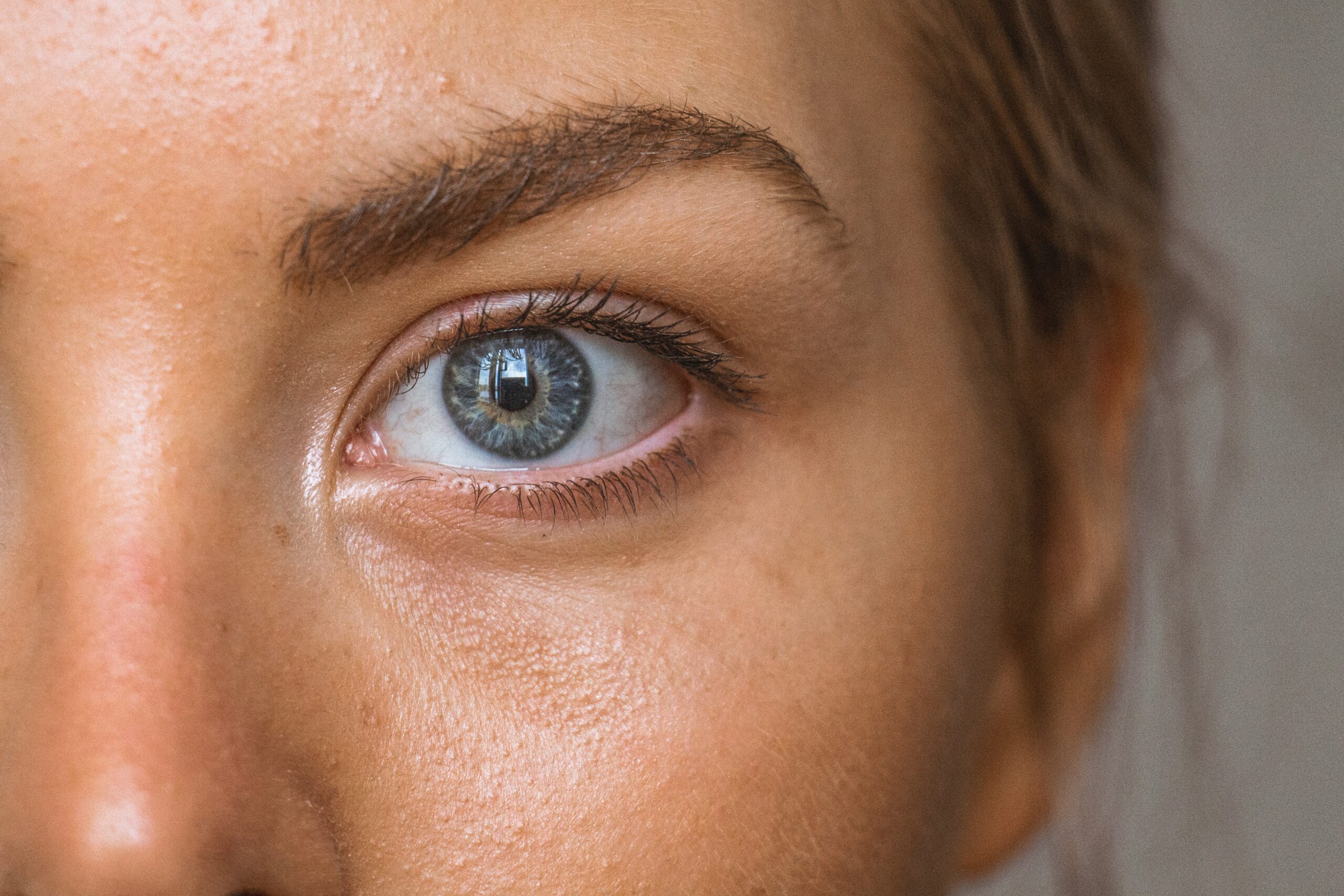
When your skin is red, cracked, and bleeding from scratching, it’s not just painful, it’s embarrassing. You may feel the need to explain or hide your condition. Worse still, others may react with discomfort or misinformation, assuming your condition is something to be feared.
This perception can deeply impact your body image. This is not due to vanity, but rather because people tend to notice and comment on your skin first. and often comment on.
Dress smart: loose, soft, and skin-friendly
So, what can you do to manage flare-ups and reduce discomfort, both physically and emotionally?
Cover up—but smartly
If your eczema is aggravated, consider covering up to protect your skin from drying out or becoming further irritated. However, steer clear of tight or rough materials your choice of clothing can significantly impact the outcome.
- Go for loose-fitting clothes that don’t rub or chafe against sensitive areas
- Comfort is the goal, but not constantly adjusting or reacting to irritation can also boost your confidenceSkip denim, even if baggy. It’s rough, and it drags your moisturiser around.
- Avoid pure cotton and wool—they can absorb natural oils and worsen dryness
- Try wearing garments made from nylon, acrylic, or moisture-retaining blends instead
By doing this, you’re not hiding your skin, you’re helping it heal. And while comfort is the goal, it can also boost your confidence if you’re not constantly adjusting or reacting to irritation.
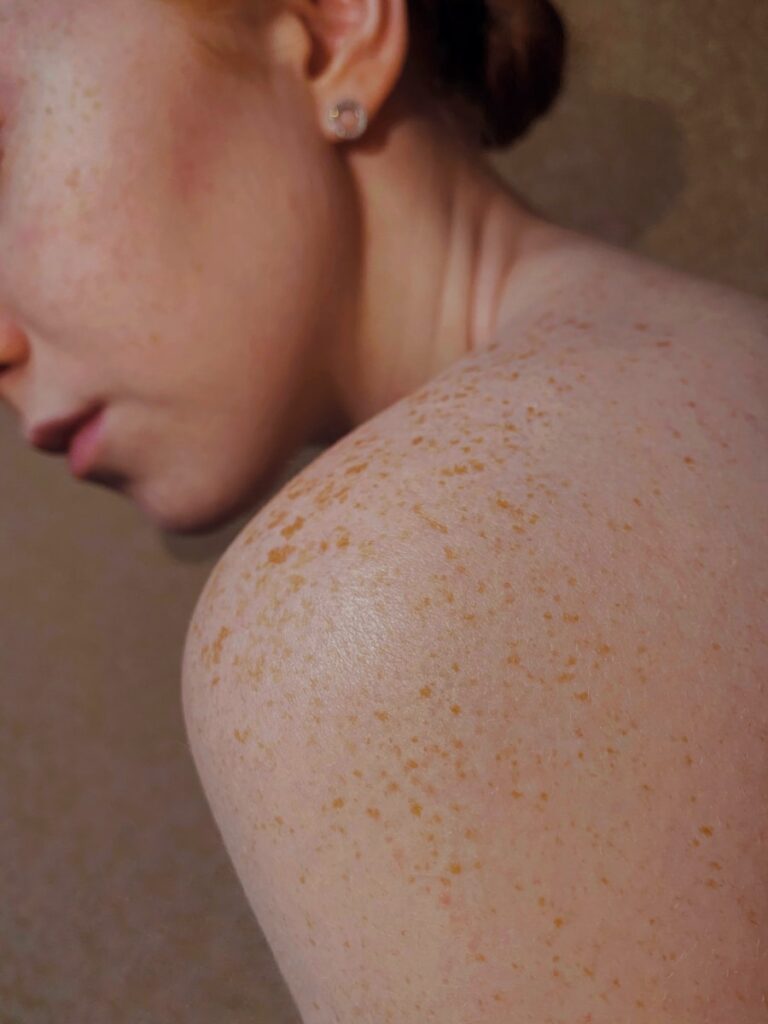
Don’t suffer in silence: express your anxiety
Living with eczema can feel isolating, but it doesn’t have to be. Talking about your journey can be healing. Start by writing a personal blog to express what daily life with eczema is like. Sharing your story may help others and help you process your emotions.
Find your tribe
If blogging isn’t your thing, joining a support group like Inspire Psoriasis can be life-changing. These platforms offer:
- Real-life tips and tricks to manage flare-ups
- Advice on bathing techniques for sensitive areas
- A space to discuss how to cope with body image issues
- Reassurance that you’re not alone
You may even discover new methods of relief that medical websites or GPs haven’t shared, because lived experience matters.

Rethink your bath routine
Ironically, in trying to stay clean and feel better, you might be doing more harm than good. Over-bathing strips the skin of natural oils, leaving it even more vulnerable to flare-ups.
Tips for eczema-friendly bathing:
- Limit hot showers to under 10 minutes
- Use fragrance-free, gentle cleansers
- Pat skin dry, don’t rub
- Apply a thick moisturiser within 3 minutes of drying off to lock in hydration
If you’re struggling with psoriasis or eczema in intimate areas, these tips become even more vital. Support forums can help you navigate these tricky areas with discretion and empathy.
Skin and self-worth: tackling body image issues
It’s not just about itch or appearance; it’s about how your skin makes you feel. And when it feels like everyone’s eyes are on your red patches, it’s hard not to internalise the shame.
But here’s the truth:
- You’re not dirty
- You’re not contagious
- You’re not alone
Skin conditions are medical, not moral. It’s completely normal to feel self-conscious, and it’s important to remember that it’s not your fault Instead of letting eczema define your confidence, focus on support, self-care, and dressing in a way that feels pleasing.
Recap: small changes, big difference
Skin conditions can absolutely impact your confidence, especially when they’re visible and misunderstood. But there are ways to cope with the emotional weight:
- Dress comfortably in loose, non-irritating fabrics
- Avoid abrasive materials like jeans and wool
- Join support communities like Inspire Psoriasis
- Don’t be afraid to talk about your anxiety—privately or publicly
- Adjust your bathing routine to protect your skin’s moisture barrier
- Remember: you’re more than your skin
Final word
No matter what skin condition you’re battling—eczema, psoriasis, or anything in between you deserve to feel comfortable, confident, and cared for. So next time you reach for that uncomfortable pair of jeans or feel hesitant to go out, pause and ask yourself, ‘What would make me feel good today?
Because healing starts with kindness, and that includes how you treat yourself.