Role of Entertainment in Lifestyle – Shaping Modern Well-Being
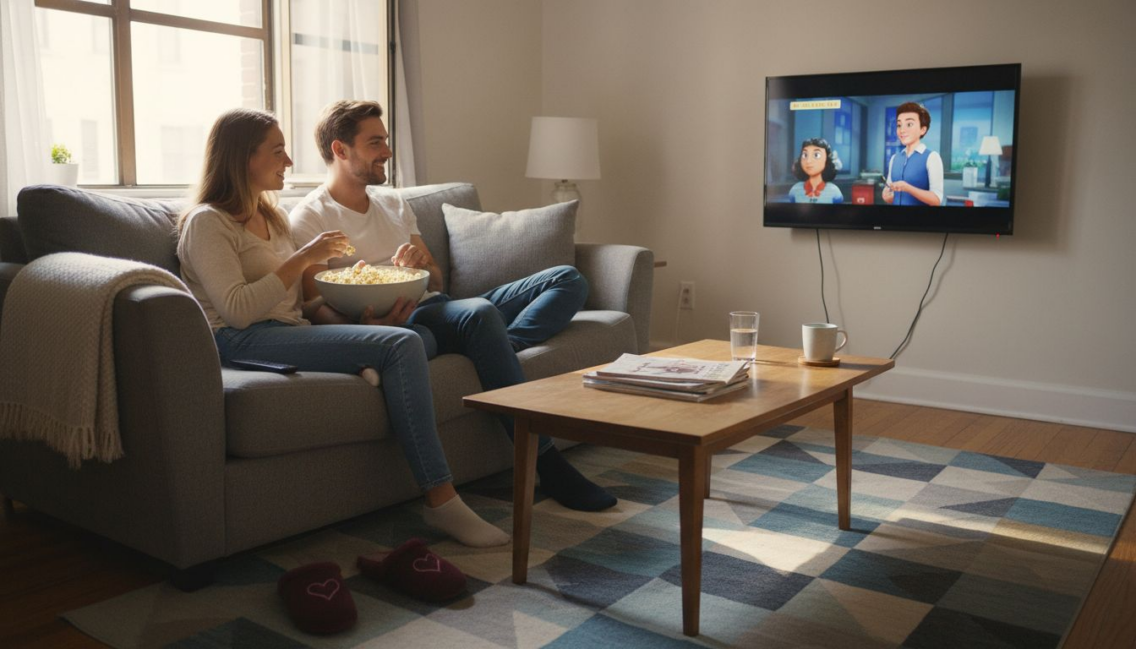
Scrolling through endless TikTok videos, singing along to the latest chart-toppers, or catching up on the newest Netflix series, it is clear entertainment shapes more than just your downtime. For young women with an eye for style and a passion for self-discovery, entertainment functions as audience-centered commercial culture that influences how you express yourself, connect with others, and participate in global trends. This article explores how modern entertainment weaves itself into your daily routine, offering inspiration, community, and new ways to craft your unique identity.
Table of Contents
- Defining Entertainment In A Modern Lifestyle
- Types Of Entertainment And Cultural Significance
- How Entertainment Shapes Pop Culture Trends
- Emotional And Social Impact On Daily Life
- Balancing Entertainment With Personal Growth
- Risks Of Overconsumption And Mindful Habits
Key Takeaways
| Point | Details |
|---|---|
| Modern Entertainment as a Lifestyle | Entertainment now integrates into daily life, shaping cultural values and personal identity. It’s essential to curate experiences that enrich rather than merely distract. |
| Emotional and Social Connections | Entertainment evokes emotional responses and fosters social bonds, enhancing empathy and community. Mindfully choosing content can deepen connections with others. |
| Risks of Overconsumption | Excessive consumption of low-quality content can lead to cognitive decline and social isolation. Developing mindful habits is crucial for maintaining mental health and personal growth. |
| Balancing Growth and Entertainment | Entertainment can support personal growth when approached intentionally, selecting content that challenges and inspires rather than just provides comfort. |
Defining Entertainment in a Modern Lifestyle
Entertainment today isn’t just about watching movies or listening to music anymore. It’s become something much bigger and more integrated into how you live your life. Entertainment functions as audience-centered commercial culture that shapes what you consume, how you spend your time, and what you value culturally. It spans everything from TikTok scrolling sessions that keep you hooked for hours to attending fashion shows that influence your wardrobe choices, podcast episodes that spark personal reflection, and streaming series that define entire seasons of your life. The definition has expanded far beyond passive consumption. Modern entertainment is interactive, personalized, and deeply woven into your daily routines.
What makes entertainment so powerful in your lifestyle today is its ability to create emotional connections and drive real social change. Research on entertainment’s social impact demonstrates that entertainment serves as a medium for narrative transformation, meaning-making, and cultural expression worldwide. Think about how a single Netflix series can spark conversations among your friend group about identity and representation. Consider how beauty influencers you follow shape not just your makeup routine but your entire approach to self-expression and confidence. Entertainment has transcended being mere distraction. It’s now a vehicle for fostering connection, building community, and exploring who you want to become.
The economic and cultural dimensions of entertainment matter too. Entertainment represents a distinct cultural category within creative industries, reflecting both business models and aesthetic systems that influence your choices daily. When brands collaborate with creators you admire, when celebrity fashion moments become viral memes, when entertainment content generates billions in revenue, you’re witnessing this cultural and economic interplay firsthand. For you specifically, this means entertainment isn’t separate from lifestyle. It’s central to how you build your personal brand, express your identity, and navigate modern culture.
Pro tip: Track which entertainment content genuinely energizes you versus what drains you for a week, then intentionally curate your consumption toward the formats and creators that actually add value to your life rather than just filling empty moments.
Types of Entertainment and Cultural Significance
Entertainment comes in countless forms, each carrying its own cultural weight and influence on your life. Film, music, television, and digital platforms form the backbone of how you consume stories, connect with others, and understand the world around you. Film gives you cinematic experiences that can reshape your perspective in two hours. Music provides the soundtrack to your emotional journey, from breakup playlists to celebration anthems. Television creates shared cultural moments when entire friend groups obsess over the same series simultaneously. Digital platforms democratized entertainment, letting creators you relate to build audiences without traditional gatekeepers. Entertainment forms continuously reflect and shape societal values across different cultures, meaning what you consume isn’t just entertainment. It’s a window into what society values right now.
Beyond mainstream entertainment, festivals and cultural events represent something equally significant that often gets overlooked. These spaces bring communities together in meaningful ways that scrolling through your phone simply cannot replicate. Music festivals let you experience live performance energy with thousands of people who share your taste. Fashion weeks showcase designer visions that inspire your personal style direction. Comedy festivals celebrate humor and social commentary. Festivals serve as cultural entertainment events with educational and social significance, contributing to cultural identity and youth engagement in ways that preserve heritage while remaining completely relevant to modern life. They create memories, foster belonging, and often spark conversations about representation and inclusivity that matter to you personally.
What makes this diversity of entertainment types crucial to your lifestyle is how they work together to shape your identity and values. A TikTok trend influences your fashion choices. A podcast episode changes how you think about relationships. A concert becomes a defining moment you reference for years. A viral meme helps you process current events. When you understand that entertainment spans from blockbuster films to intimate indie productions, from stadium concerts to intimate bedroom pop recordings, from traditional theater to digital live streams, you realize you have agency in choosing what shapes your worldview. The entertainment you consume actively constructs who you become and how you see yourself within culture.
Here is a summary of how different entertainment types uniquely influence culture and daily life:
| Entertainment Type | Main Experience | Cultural Impact | Example Influence |
|---|---|---|---|
| Film | Cinematic immersion | Shapes perspectives, inspires trends | Changes views on social issues |
| Music | Emotional resonance | Creates shared moments, marks events | Defines mood for life phases |
| Festivals & Events | Collective celebration | Builds community, preserves heritage | Fosters belonging, sparks dialogue |
| Digital Platforms | Interactive engagement | Democratizes content creation | Drives viral trends, connects cultures |
Pro tip: Seek out at least one entertainment form outside your usual comfort zone each month, whether that’s attending a local theater production, discovering an international film, or exploring a music festival in a different genre, to expand your cultural perspective and prevent entertainment consumption from becoming too narrow.
How Entertainment Shapes Pop Culture Trends
Entertainment doesn’t just reflect pop culture trends. It actively creates them. Every viral TikTok sound that becomes ubiquitous, every celebrity fashion moment that spawns a thousand imitations, every TV show dialogue that becomes part of your everyday language originated from entertainment content. The relationship between entertainment and pop culture is bidirectional and constantly accelerating. Movies, music, television, and digital media work together in a complex ecosystem where one medium influences another, creating ripple effects across culture at lightning speed. When a Netflix series drops, it doesn’t just entertain you for a weekend. It shapes what your friend group discusses, influences your fashion choices, sparks Halloween costume ideas, and generates memes that define entire moments in time. The dynamic interplay between entertainment and pop culture shapes social norms and identities globally, meaning your entertainment consumption directly participates in constructing shared cultural reality.
Social media amplified this trend-shaping power exponentially. What used to take months or years to become mainstream can now happen in days or hours thanks to digital platforms. TikTok creators become style icons. Instagram influencers launch beauty trends. YouTube videos spark challenges. A single artist’s music video can generate millions of views within hours, instantly cementing their aesthetic as the cultural moment. Digital platforms democratize music production and consumption, driving rapid shifts in pop culture that directly influence what you see as desirable, cool, or relevant. This means the barrier between entertainment producer and trend setter has collapsed. Independent creators in their bedrooms can shape what millions of people wear, listen to, and aspire toward. The speed is intoxicating, the power is real, and you’re simultaneously a consumer and co-creator in this trend ecosystem.
Understanding how entertainment shapes pop culture trends helps you make intentional choices about what you consume and what influences you adopt. When you recognize that a trend you’re considering might originate from entertainment that was designed to sell you something or push a specific narrative, you gain perspective. When you notice how entertainment from other cultures is shaping trends globally, you understand the interconnectedness of modern lifestyle. When you see how quickly trends emerge and disappear, you realize investing your identity in fleeting entertainment moments might not serve your long-term values. This doesn’t mean avoiding entertainment or trends. It means engaging with them consciously, understanding their origins, and choosing which ones actually resonate with who you want to become rather than just following what’s loudest in the moment.
Pro tip: Before adopting a trend you see in entertainment content, ask yourself whether it genuinely reflects your personal style or if you’re simply reacting to what’s currently being promoted, then give yourself 48 hours before committing to the trend to see if it still appeals to you.
Emotional and Social Impact on Daily Life
Entertainment is fundamentally an emotional experience. When you watch a movie that makes you cry, listen to a song that validates your heartbreak, or binge a series that keeps you scrolling until 2 AM, you’re engaging in something far more powerful than simple distraction. Entertainment evokes emotional responses that shape how you process your own life experiences. A character’s journey mirrors your struggles. A lyric suddenly describes exactly what you’ve been feeling. A comedy sketch helps you laugh through difficult times. These aren’t frivolous moments. They’re emotional processing tools that help you understand, validate, and navigate your own feelings. The entertainment you consume acts as a mirror reflecting your inner world back to you, and sometimes it offers perspectives you hadn’t considered before.
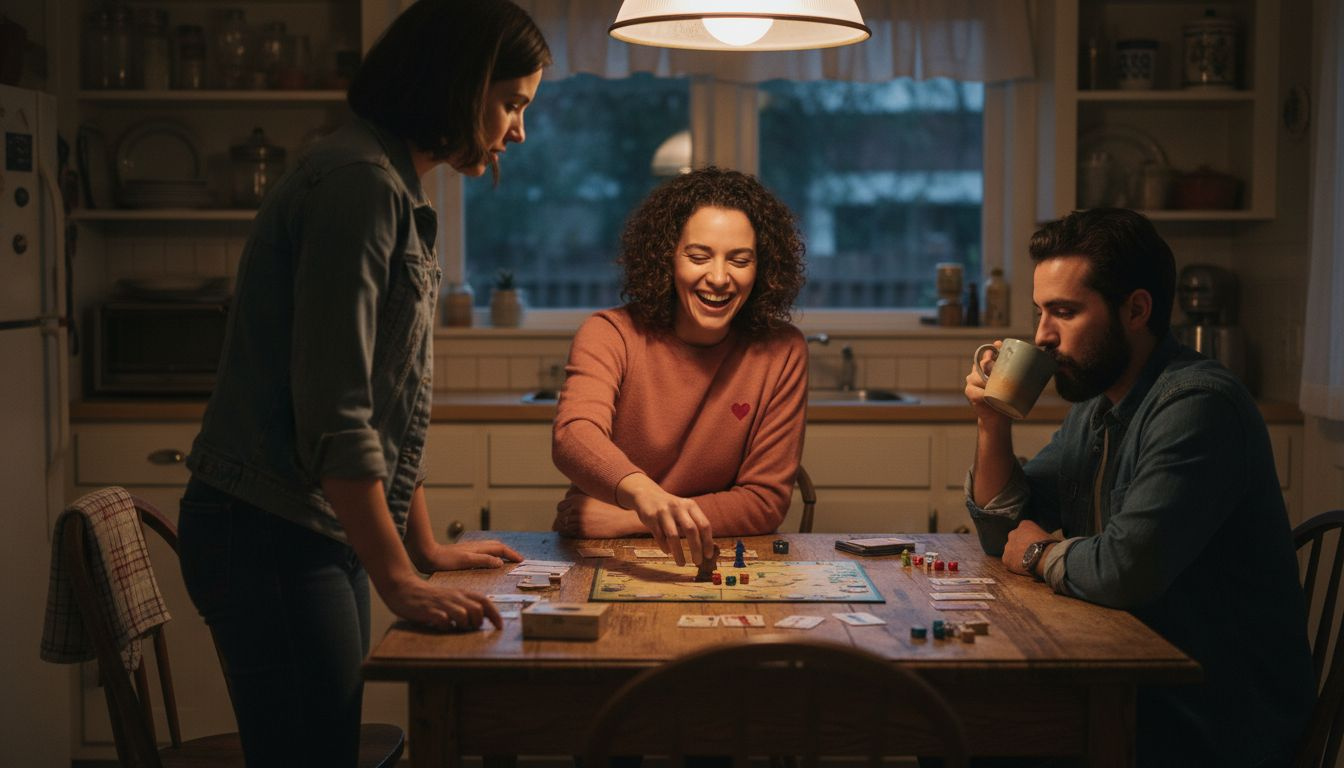
Beyond individual emotional experience, entertainment influences how you relate to others socially. Entertainment media evoke emotional responses and foster empathy across global audiences, shaping public attitudes on social matters and connecting people around shared stories. When you discuss a TV show with friends, you’re building social bonds through shared experience. When a celebrity speaks out about mental health struggles, it opens conversations in your own circles about topics that felt previously taboo. When entertainment depicts diverse identities and experiences authentically, it expands your empathy for people different from you. This social dimension of entertainment creates belonging. It makes you feel less alone in your struggles, your desires, your questions about identity and purpose. Your entertainment preferences often become a shorthand for who you are socially, signaling your values and inviting others who share them into your circle.
However, the emotional and social impact of entertainment isn’t exclusively positive. Digital technology and social media influence attention, memory, and social interactions in daily life, with implications for mental health and behavior. Endless scrolling through entertainment content can fragment your attention and make genuine focus feel impossible. Comparing your life to carefully curated entertainment moments can fuel insecurity and inadequacy. Algorithmic recommendations can create echo chambers where you only encounter entertainment that confirms existing beliefs. The constant stimulation can interrupt sleep, impact mood, and affect real world relationships when screens come before face-to-face connection. The key is awareness. Entertainment has real power over your emotional state and social connections, which means you deserve to understand that power and exercise choice over it rather than letting it unconsciously shape you.
Pro tip: Create specific entertainment boundaries by designating device-free hours before bed and during meals, then track how your mood, sleep quality, and in-person relationships improve over two weeks to understand entertainment’s actual impact on your daily life.
Balancing Entertainment with Personal Growth
The tension between entertainment consumption and personal growth feels real because it is real. You’re not lazy or undisciplined for wanting to scroll through TikTok instead of reading that self-help book or hitting the gym. Entertainment is genuinely designed to be irresistible. But here’s what matters: entertainment and personal growth aren’t inherently opposing forces. They can actually work together when you approach them intentionally. The key is understanding how to leverage entertainment as a catalyst for growth rather than a substitute for it. This means choosing entertainment that challenges your perspective, expands your understanding, or inspires you to become someone new. A documentary series about sustainable fashion might inspire you to rethink your wardrobe ethics. A podcast about female entrepreneurs could spark ideas about your own career ambitions. A book adaptation might make you want to read the original novel. Entertainment can be the gateway that pulls you toward growth if you’re strategic about what you consume.
Entertainment engagement can support psychological needs and personal development when moderated responsibly, with positive outcomes in social interaction and personal satisfaction. This research validates something you probably already know intuitively: some entertainment genuinely makes you feel better about yourself and your life. The entertainment that supports growth typically falls into specific categories. It might offer skill building (learning makeup techniques from beauty creators), emotional validation (finding representation in characters who share your identity), community connection (bonding with others over shared interests), or inspiration (seeing people achieve goals similar to yours). The distinction isn’t between entertainment and non-entertainment. It’s between entertainment that leaves you feeling depleted and entertainment that leaves you feeling energized or expanded.
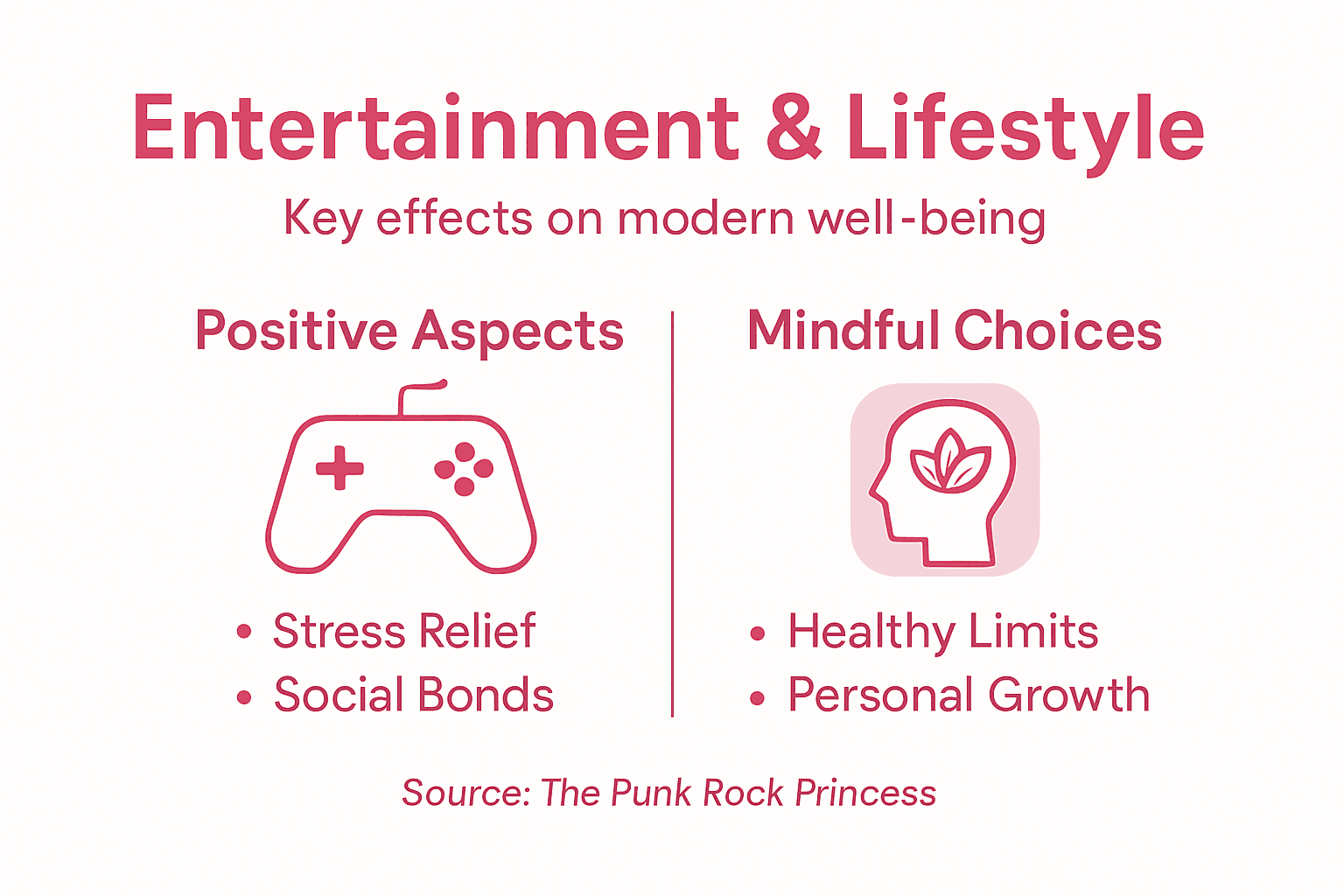
Balancing entertainment with growth also means being honest about your current capacity and needs. Some seasons of your life require more rest and comfort entertainment because you’re managing stress, heartbreak, or burnout. Other seasons allow space for more challenging, growth-oriented content. Balancing life domains including entertainment supports overall well-being and mental health, meaning you don’t need to feel guilty about sometimes choosing comfort over growth. The goal isn’t perfection. It’s creating a sustainable rhythm where entertainment supports your lifestyle rather than consuming it. This might look like dedicating specific hours to consuming entertainment, choosing content intentionally rather than defaulting to algorithmic recommendations, and regularly checking in with yourself about whether your consumption patterns align with your actual values and goals. Personal growth happens gradually through countless small choices. Entertainment is one of those choices. Make it count.
Pro tip: Schedule weekly “entertainment audits” where you review what you watched, read, or listened to and honestly assess whether each piece left you feeling energized, informed, or connected versus drained or regretful, then adjust your consumption patterns based on these patterns.
Risks of Overconsumption and Mindful Habits
Overconsumption of entertainment, particularly low-quality digital content, carries real cognitive and psychological consequences that deserve your attention. You’ve probably experienced this yourself: hours disappear into scrolling without remembering what you actually saw, your attention span feels shorter, your brain feels foggy. There’s a reason for that sensation. Overconsumption of low-quality digital content contributes to cognitive decline, a phenomenon researchers now call brain rot, characterized by impaired executive function, reduced critical thinking, and emotional desensitization. When you spend hours consuming shallow, algorithmically-optimized content designed solely to maximize engagement rather than provide value, your brain adapts to that constant stimulation. Real-world tasks that require sustained focus, deep reading, or complex problem-solving suddenly feel exhausting by comparison. You’re essentially training your brain to prefer instant gratification over meaningful engagement. The scary part is how gradually this happens. You don’t notice the shift until you try to read a book and can’t make it through three paragraphs, or you realize you’ve lost the ability to sit with discomfort or boredom.
Beyond cognitive effects, excessive entertainment consumption carries significant psychological and social risks. Excessive entertainment media consumption can lead to social isolation, addiction, and emotional stress, with potential adverse effects on mental health and social relationships. When entertainment becomes your primary source of connection and comfort, real human relationships suffer. You scroll instead of calling friends. You watch strangers’ lives instead of building your own. You experience FOMO about celebrity drama while missing actual moments with people who care about you. The addiction component is real too. Entertainment platforms employ teams of engineers specifically tasked with making their apps as psychologically compelling as possible. The infinite scroll, autoplay features, algorithmic recommendations, and notification systems aren’t accidents. They’re designed to hijack your attention and keep you coming back. Recognizing this isn’t about blaming yourself for being weak or undisciplined. It’s about understanding that you’re competing against systems engineered by some of the smartest people on Earth to make you addicted.
Developing mindful entertainment habits means becoming intentional about what, when, and how much you consume. Research emphasizes strategies for mindful media consumption to prevent cognitive decline and mental health issues, recommending awareness and deliberate consumption patterns. This looks like: setting specific time limits rather than endless scrolling, choosing content intentionally rather than defaulting to algorithmic suggestions, taking breaks between entertainment sessions to let your brain reset, and regularly assessing whether your consumption patterns serve your actual goals and values. It also means creating friction between you and mindless consumption. Remove apps from your home screen. Turn off notifications. Use website blockers during work hours. Replace passive scrolling with active entertainment choices. The goal isn’t eliminating entertainment. It’s reclaiming agency over how it fits into your life rather than letting it dominate your time and attention.
Compare potential risks of overconsumption and mindful entertainment habits:
| Aspect | Overconsumption Risks | Mindful Habits Benefits |
|---|---|---|
| Cognitive Function | Reduced focus, brain fatigue | Improved concentration, mental clarity |
| Social Connection | Feelings of isolation | Stronger real-world relationships |
| Emotional Health | Increased stress and anxiety | Enhanced mood, emotional regulation |
| Personal Growth | Stagnation or regret | Greater inspiration, ongoing learning |
Pro tip: Implement a 24-hour content reset weekly by choosing one full day to eliminate social media and entertainment apps entirely, then notice how your mood, focus, sleep, and real-world interactions improve compared to your typical consumption patterns.
Discover How Entertainment Shapes Your Lifestyle and Well-Being
Feeling overwhelmed by endless entertainment options that leave you drained instead of inspired? The article highlights the need for mindful consumption to balance emotional connection, personal growth, and social impact. If you find yourself caught in cycles of overconsumption or want to intentionally cultivate entertainment that energizes rather than depletes you, there is a way forward.
Explore practical lifestyle, fashion, and beauty insights at The Punk Rock Princess that help you curate your personal brand and entertainment choices with purpose. Whether it is embracing trends that reflect your true identity or setting mindful boundaries for your content intake, our blog offers real solutions for modern well-being.
Take control of how entertainment shapes your daily life now. Visit The Punk Rock Princess for fresh inspiration on aligning your entertainment with your goals. Dive into thoughtful entertainment discussions and lifestyle tips designed to empower you to live more intentionally and authentically today.
Frequently Asked Questions
How does entertainment influence personal growth?
Entertainment can be a catalyst for personal growth when chosen intentionally. Engaging with content that challenges perspectives, inspires, or educates can empower you to develop new skills or explore different aspects of your identity.
What are the effects of overconsumption of entertainment?
Overconsumption of low-quality entertainment can lead to cognitive decline, reduced attention span, social isolation, and increased stress. It can negatively impact your mental health and real-world social connections.
How can I balance entertainment with personal growth?
To balance entertainment with personal growth, intentionally choose content that adds value, set specific consumption limits, and assess regularly whether your entertainment choices align with your goals and values.
What types of entertainment significantly shape cultural trends?
Film, music, television, and digital platforms shape cultural trends through their interplay. Viral content, celebrity moments, and shared media experiences create ripple effects, influencing fashion, language, and social discussions.