Let’s not sugar-coat it: life can be a lot. Between the pressure of daily responsibilities, the unpredictable emotional rollercoaster that is being a person, and everything in between, people need an outlet. And for many of us, that outlet is gaming.
Gaming has evolved far beyond its reputation as a mindless pastime. It’s no longer just about pixelated plumbers or space invaders it’s an entire world of immersive experiences, emotional narratives, and yes, sometimes a whole lot of chaos. But more importantly, it’s a safe space for millions of people to escape, cope, and even heal.
The Psychology Behind the Escape
Gaming gives us something that reality often withholds: control. In a game, when you put in effort, you see results. You level up. You unlock achievements. You overcome challenges. It’s a feedback loop that reinforces a sense of progress something that can feel painfully absent in real life.
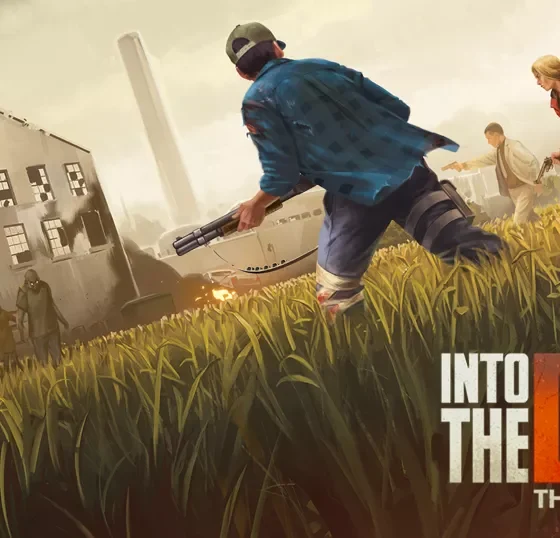
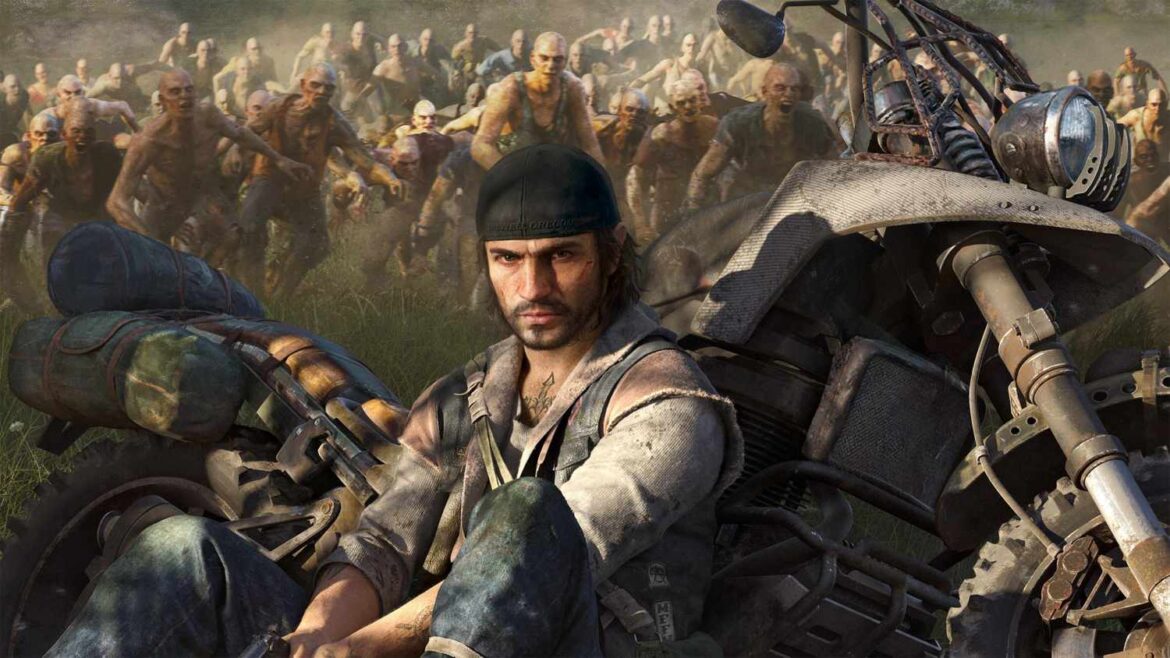
In titles like Days Gone, you’re navigating a post-apocalyptic world. It’s messy, brutal, and high-stakes—yet somehow it feels easier than real life. Because in that game, the chaos makes sense. You know the rules. You know what’s expected of you. And when you mess up, you respawn.
Mental Health and Gaming
People often underestimate the mental health benefits of gaming. Here are a few ways gaming supports mental wellbeing:
1. Emotional Regulation
Gaming can provide an outlet for stress, anxiety, and even depression. It allows us to channel emotions into action, giving us space to decompress without real-world consequences.
2. Social Connection
Multiplayer games and online communities allow people to connect with others. When done in moderation, these connections can be incredibly validating, especially for people who feel isolated IRL.
3. Goal-Oriented Thinking
Games are built on objectives. Even the smallest ones serve as goals. Completing them creates a sense of accomplishment and purpose, both of which are critical for emotional balance.
Is gaming an escape or a survival strategy?
Let’s not pretend everyone who games is trying to avoid their taxes. For some people, it’s less about “fun” and more about surviving another day. Games create a reality where the rules are clear, the rewards are earned, and the villains are fictional, unlike real life.

Escapism gets a bad reputation, but the truth is everyone escapes something. Some people scroll TikTok until their eyes bleed. Some binge Netflix. Some people run. Others mod Skyrim for 8 hours straight. It’s all the same impulse.
Gaming just happens to be the most interactive and empowering version of that impulse.
So… is gaming a hobby or a lifeline?
The answer is yes.
For some, it’s a way to pass time. For others, it’s a tool to keep anxiety at bay, to stay grounded, or to reconnect with a part of themselves they thought they lost.
Gaming isn’t an escape from life. It’s a bridge back there.
So go ahead, grab that controller, dive into that open world, and don’t apologise for it. You’re not wasting time. You’re rebuilding yourself one mission at a time