
So, you’ve passed your driving test. Congrats! The road is yours to explore, and the freedom feels incredible. But before you put the pedal to the metal, safety should always come first. After all, staying safe means more adventures, right?

Here are three essential (but super easy!) tips to help you stay safe and confident behind the wheel. Here, we recap three top tips for keeping yourself safe as a new driver.
Stay on top of your vehicle maintenance.
Regular MOTs and services are vital to keeping your car road-worthy. The AA reported that in 2021, there were over 1,700 road casualties as a direct result of poorly maintained vehicles. Of these, defective brakes and tyres caused 1,241 casualties, with 21 people sadly and needlessly losing their lives.
Before each drive, do a quick walkaround: check your tyres, windows, and lights. It takes seconds but can save you from a breakdown—or worse. Spot a problem? Get it checked as soon as you get the chance. P. A smooth-running car makes for a stress-free ride!
Take it slow at night.
Driving at night feels very different from driving during the day. As a new driver, you might not have had much practice yet. The contrasting bright lights from other road users in combination with the darkness of your surroundings can be dazzling, a hazard that affects as many as 91% of drivers.
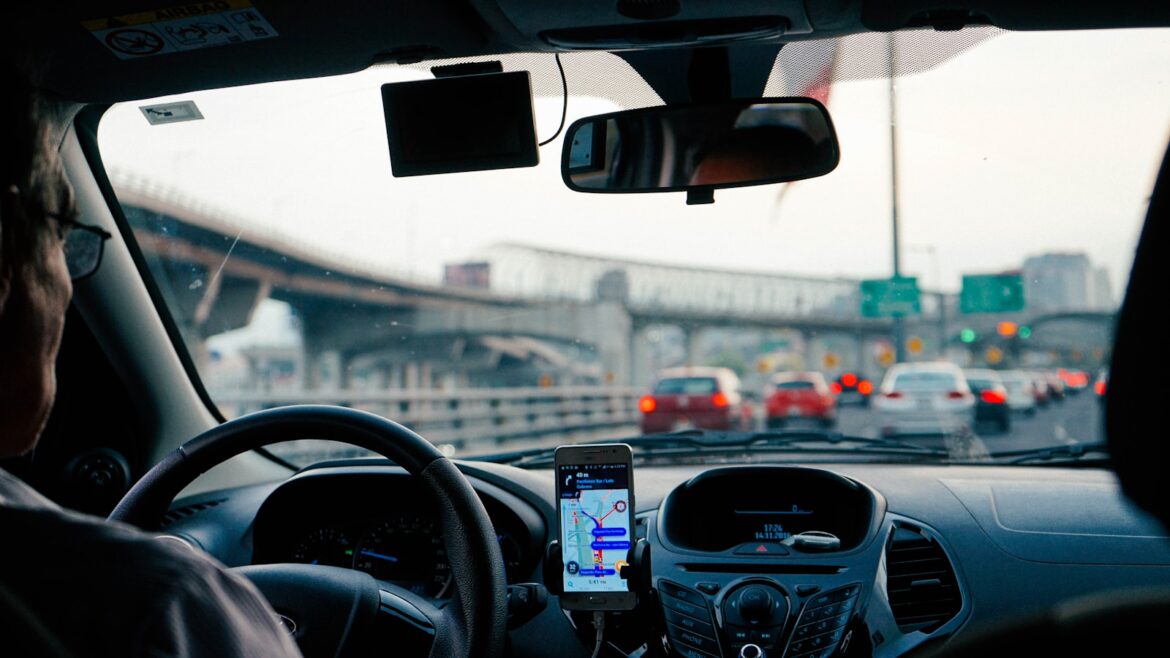
It can also be disorientating, making it harder to judge distances from hazards, other road users, and the side of the road. If you’re not used to it, start slow. Take short trips at dusk to get used to it, and only drive at night when you feel fully alert. Keep your windscreen clear, use your headlights correctly, and take your time. Safety first—there’s no rush!
Another practical step is to address how your eyes react to glare and low contrast after dark. Opticians often recommend lenses that reduce glare and enhance contrast, and if you require vision correction, prescription night driving glasses can be tailored to your exact prescription to make hazards, road markings, and pedestrians easier to spot. Try them on short evening routes first to see how they affect your depth perception and comfort. Consider anti-reflective or hydrophobic coatings to get the best real-world performance.
Be aware of road rage.
Sometimes, driving can be very frustrating. Traffic, especially if you’re in a hurry, can make you agitated while driving. It’s crucial to learn to control your emotions and drive responsibly regardless of the situation, but you also need to be prepared for the possibility of another road user struggling with road rage.

If you experience a tense situation on the road, don’t retaliate. Take a deep breath and avoid eye contact with the driver trying to rile you, and continue to drive in a safe and responsible manner. If someone is tailgating you, stay focused on the road and pull over when it is safe to let them pass. If another driver is being aggressive towards you or driving unsafely, you can report the incident to the authorities and provide details of their licence plate.
Plan ahead and enjoy your journey.
As a new driver, planning ahead is the best way to make the most of your time on the road and keep yourself safe. With a clear route, enough time, and a reliable vehicle, you can enjoy the journey. You won’t need to worry about your path or get distracted.
FAQ: Three Tips for Keeping Yourself Safe as a New Driver
What are the most important safety tips for a new driver?
Start with three basics: avoid distractions, leave plenty of space between vehicles and drive according to the conditions. You don’t need to prove anything behind the wheel. Safe and predictable beats fast and flashy every time.
How can I become more confident as a new driver?
Confidence comes with experience. Start with familiar routes and gradually introduce more challenging situations, such as motorways, night driving, unfamiliar towns and heavier traffic.
Should new drivers avoid driving at night?
You don’t necessarily need to avoid it completely, but night driving introduces additional challenges, including reduced visibility and tiredness. Build up your experience gradually and avoid driving when you’re exhausted.
How can I stop feeling nervous while driving?
Plan your route beforehand, leave yourself extra time and remove unnecessary distractions. If you take a wrong turn, keep driving safely and find somewhere appropriate to reroute rather than attempting a last-second manoeuvre.
How dangerous is using your phone while driving?
Using a handheld phone while driving is both dangerous and illegal in the UK. Even hands-free conversations can be distracting, so setting your navigation and music before setting off can help keep your attention where it belongs.
What should I do if another driver is pressuring me to go faster?
Don’t let somebody sitting six inches from your bumper become your unofficial driving instructor. Maintain a safe, legal speed, avoid reacting aggressively and allow them to pass when it is safe and appropriate.