You spent time (and possibly money) on your manicure. It looked flawless for approximately six hours. Then suddenly? Chips. Peeling. Tip wear. Disappointment. If your manicure never lasts, it’s probably just technique. It’s technique. The good news? Most issues are completely fixable.
Let’s break down what’s really sabotaging your polish and how to stop doing it.
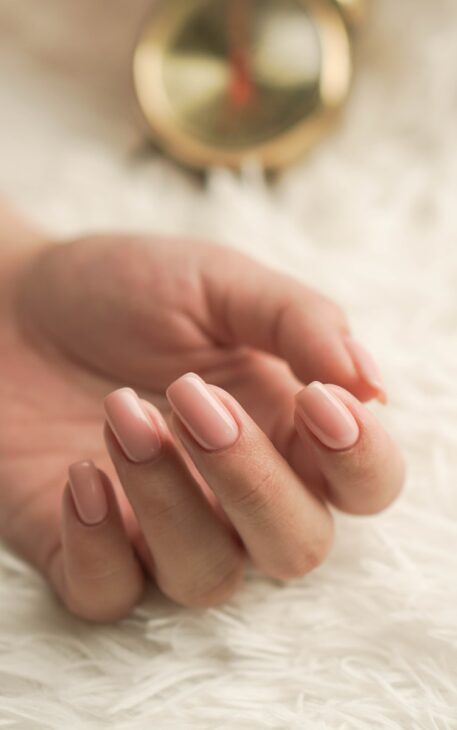
Skipping nail prep is a mistake, as oils are the number one enemy of polish.
If you’re painting directly onto your natural nail without proper prep, you’re basically applying polish to a slip-and-slide.
Natural nails produce oil. Add hand cream, cuticle oil, or even just touch your hair or face, and you’ve created a shiny, invisible barrier. Polish does not bond well with that.
What to Do Instead
- Wash hands thoroughly and dry completely.
- Lightly buff the surface to remove shine (don’t overdo it).
- Wipe each nail with acetone or alcohol before applying base coat.
- Avoid applying lotion beforehand.
The goal isn’t to damage your nail; it’s to create a clean, slightly matte surface so the product actually adheres.
Most people skip this step and then blame the polish. It’s not the polish. It’s the prep.
Why Thin Coats Beat Thick Coats
You want full-colour coverage with one swipe. I get it. You’re impatient. We all are.
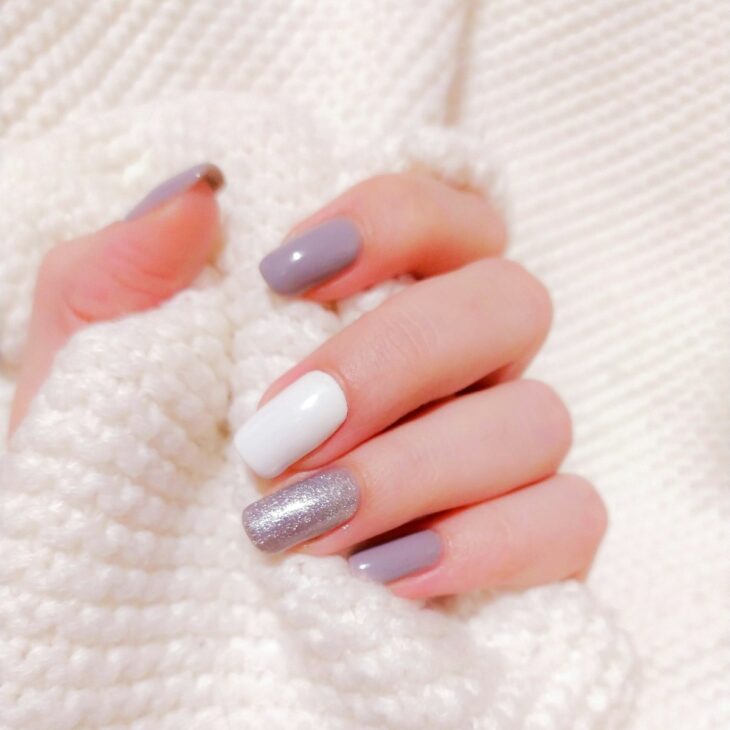
But thick coats are the fastest way to guarantee smudging, denting, and premature chipping.
Thick polish:
- Takes longer to dry
- Stays soft underneath
- Peels in sheets instead of gradually wearing off.
The Fix
Apply 2–3 thin coats instead of one thick one. Thin layers dry faster, cure more evenly, and bond better between coats.
If your manicure dents the next morning, it’s usually because the polish underneath never fully dried. That’s not mysterious. That’s physics.
The Real Purpose of Base Coat (It’s Not Just Filler)
A base coat isn’t a pointless extra step invented to sell you another bottle.
It has three real jobs:
- Create adhesion between a nail and colour.
- Prevent staining (especially with reds and dark shades).
- Smooth out minor ridges.
Skipping base coat dramatically shortens wear time. Colour polish alone doesn’t grip as effectively to the natural nail.
How to Use It Properly
- Apply a thin, even layer.
- Let it become sticky before applying colour.
- Don’t flood the cuticle.
Think of it as a primer for your walls. You wouldn’t paint your house directly onto raw plaster and expect it to last.
Wrapping the Tip Properly
If your manicure tends to chip at the free edge within 24 hours, this might be the cause.
“Wrapping the tip” simply means lightly brushing polish along the very edge of your nail. It seals the colour and prevents moisture and friction from lifting it.
How to Wrap the Tip
- After applying each coat, gently swipe the brush across the edge of your nail.
- Don’t overload the brush.
- Repeat with top coat.
This tiny detail makes a huge difference. Most people skip it and then wonder why their nails chip the moment they text aggressively.
How Water Exposure Ruins Fresh Polish
Water is sneaky.
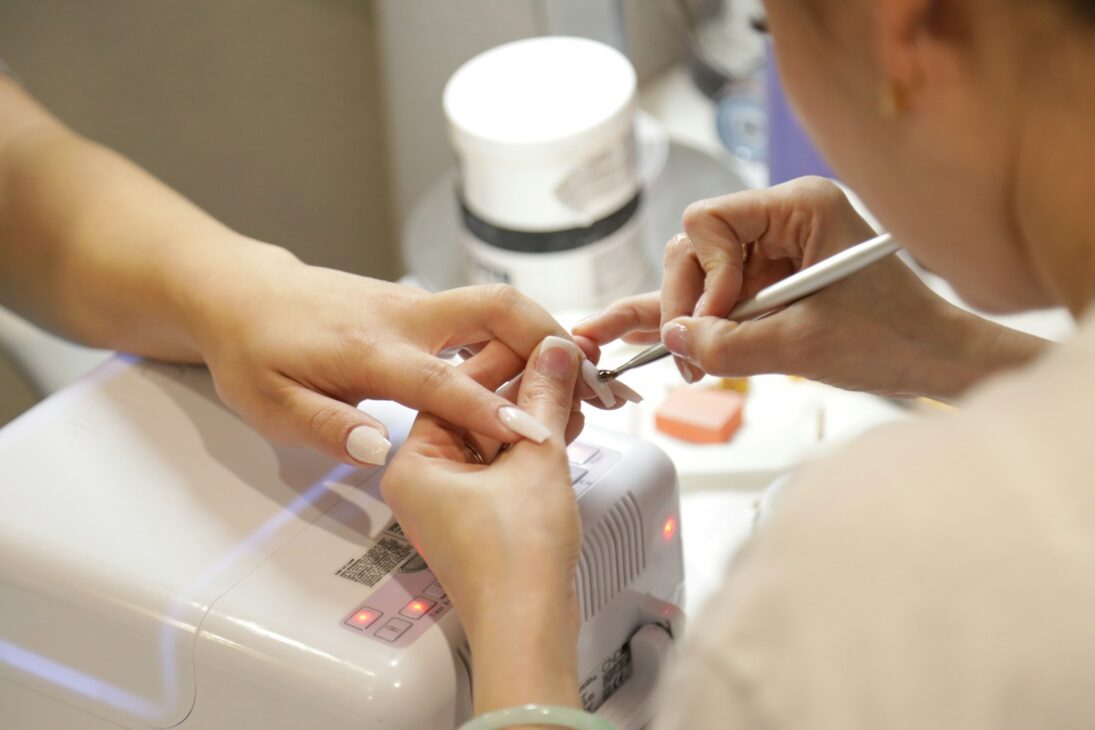
Natural nails absorb water and expand. When they dry, they contract. If your polish hasn’t fully cured, that expansion and contraction can cause lifting and cracks.
This is why:
- Showering right after painting nails is risky.
- Washing dishes without gloves shortens wear.
- You should avoid taking long baths immediately after a manicure.
What to Do
- Avoid prolonged water exposure for at least 6–8 hours after painting.
- Wear gloves for cleaning.
- Apply cuticle oil daily once polish is fully dry to keep flexibility in the nail.
Polish isn’t waterproof armour. It’s a coating. Treat it accordingly.
The Truth About Gel vs Regular Polish
Let’s myth-bust this one properly.
Gel polish:
- Lasts longer
- Cures under UV/LED
- Is more durable against chips
But it’s not indestructible. Improper removal, over-filing, or peeling it off will absolutely damage your nails.
Regular polish:
- Is gentler to remove
- Easier to change
- Requires more careful application for longevity
If your regular polish lasts two days but gel lasts two weeks, that’s normal. But if your gel is peeling after three days, something’s wrong, usually with the prep or curing.
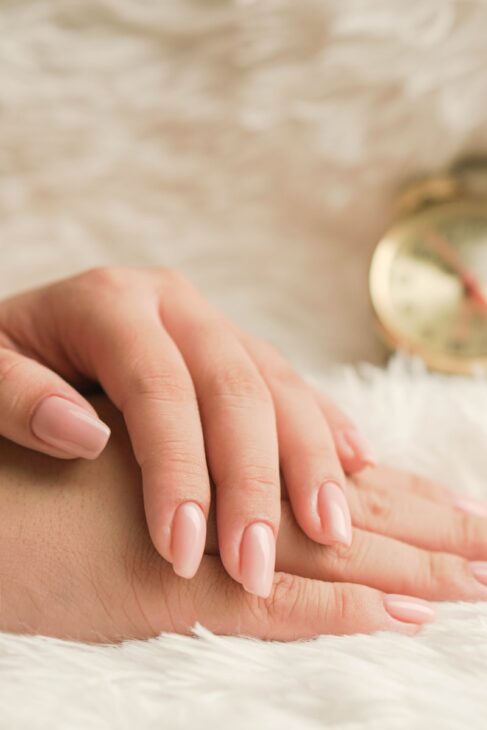
Also: gel doesn’t “ruin” your nails. Aggressive removal does.
Bonus: Before & After Proof
If you’re turning this into a blog post, include:
Before
- Thick, uneven coat
- No base coat
- No tip wrapping
- Chipping within 48 hours
After
- Proper prep
- Thin-layered application
- Wrapped tips
- Sealed with quality topcoat
Visual comparison builds trust. People need to see that technique matters.
Final Reality Check
If your manicure never lasts, it’s not because you’re cursed. It’s almost always one of these:
- Oily nail plate
- Thick application
- No base coat
- No tip wrapping
- Too much water too soon
Once you fix those, even regular polish can last 5–7 days.
Technique beats product hype every time.
And honestly? Most of us were never taught how to paint our nails properly. We just grabbed a bottle at 14 and hoped for the best.
Now you know better.