
Being in a road accident is stressful enough without an angry, aggressive driver shouting at you moments later. What starts as a minor bump can turn into a confrontation you never asked for. But here’s the good news you can stay in control of the situation. With the right approach, you’ll protect your safety, stay calm under pressure, and prevent the incident from escalating.
This guide walks you through exactly what to do if the other driver becomes hostile after a collision, based on UK road safety guidelines and real-world experiences.
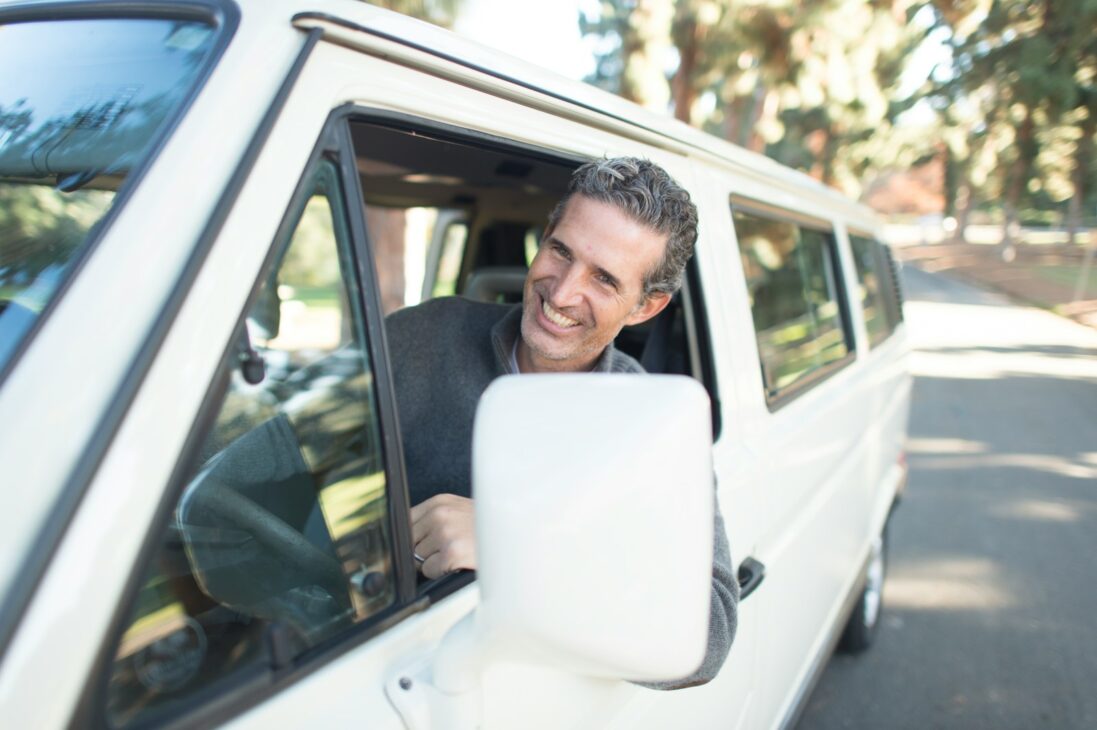
Prioritise your safety first
Whether or not you’re at fault, your safety and that of your passengers comes first. Before engaging with the other driver, take these steps:
1. Stop and switch off your engine
If you’re in the UK, it’s a legal requirement to stop after a road traffic incident that causes damage or injury. Turn off your engine and switch on your hazard lights.
2. Assess your surroundings
Check whether your vehicle is in a dangerous position—especially if you’re at a junction or blocking traffic. If it’s safe and the damage is minor, move your vehicle to the side of the road.
3. Stay inside the car
If the other driver is acting aggressively or approaching in a hostile manner, it’s often safer to stay inside your vehicle with the doors locked and windows closed. Only exit the vehicle if it is safe and necessary.
Are you in search of additional useful safety advice? Read How to Stay Safe While Travelling Alone
4. Avoid engaging in conflict
Don’t get into a shouting match or respond emotionally. Remain calm and avoid eye contact if things begin to escalate.
5. Call the police if needed
If the situation feels threatening or you believe you’re in danger, don’t hesitate; call 999 and request immediate assistance. Your safety is paramount.
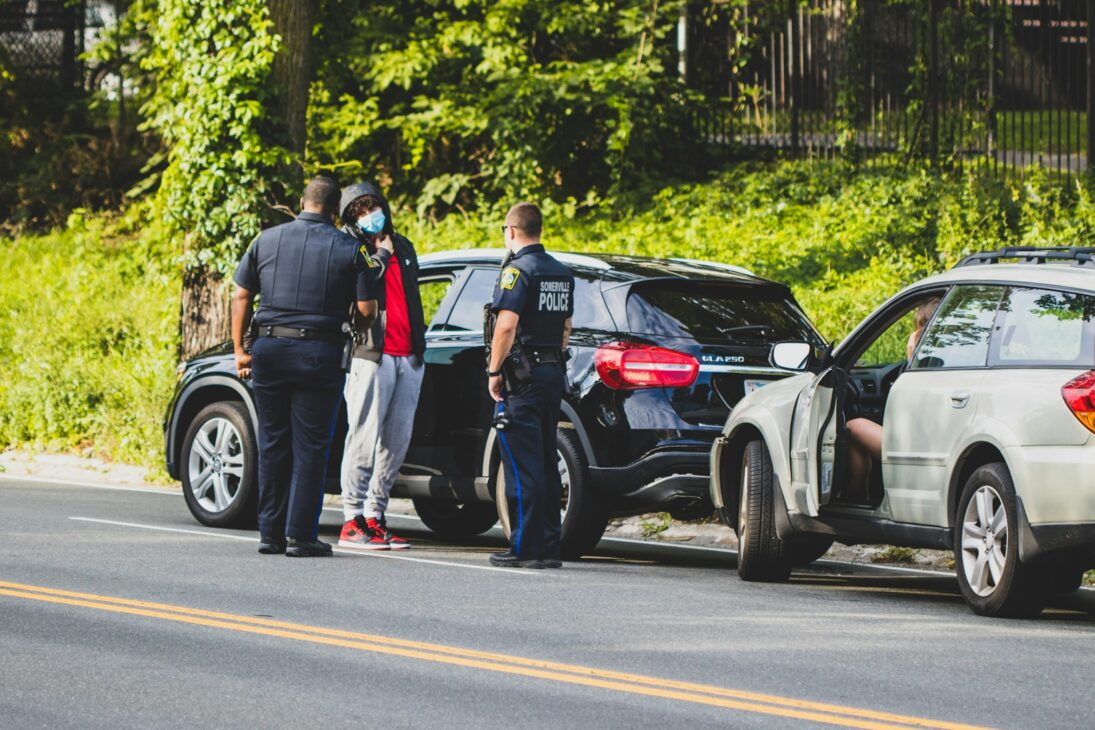
Avoid confrontation whenever possible
Drivers experiencing road rage may try to provoke a reaction don’t give them one.
If communication is unavoidable:
- Use neutral, non-confrontational language
- Don’t admit fault or apologise at the scene even if they demand it
- Avoid discussing the details of the accident until emotions have cooled
If they’re shouting or threatening, return to your car or find a safe space nearby and wait for the police to arrive. Let the authorities mediate once they’re on the scene.
Need help dealing with high-stress situations? Read Everyday Tips for Managing Anxiety
Record key details like a pro
Gathering evidence at the scene can be essential, especially if the other party is being hostile or unreasonable.
Here’s what to capture:
- Photos of vehicle damage, the accident scene, license plates, road conditions, and any visible injuries
- A written record of the date, time, location, and your recollection of what happened
- Notable behaviours to observe include whether the other driver slurred their words or acted erratically. Note anything that could indicate alcohol or drug use
- Ask nearby witnesses for their contact details—their accounts may be helpful later
Do you require assistance after the incident? Here’s How to File a Car Insurance Claim with Less Stress
If they calm down, handle the exchange professionally
Occasionally, the intensity of the situation subsides and the other driver becomes rational once more. If so:
- Calmly exchange insurance details
- Take note of their name, number, and policy info
- Avoid admitting liability—keep it polite, factual, and brief
Are you still interacting with an irrational driver? Don’t push it. Let the police handle it.

When to call 101 instead
If you no longer feel threatened and both parties have calmed down, but you still want to report the incident, call 101 later to log it as a non-emergency. This can still be advantageous for documentation and may support a future claim, even if no formal charges are filed.
Frequently Asked Questions
What should I do if an angry driver tries to open my car door?
Lock the doors immediately, stay inside, call 999, and keep the windows up.
Can I legally refuse to talk to an aggressive driver?
Yes. Your only legal obligation is to exchange details—not to tolerate abuse.
Should I wear a dashcam?
Absolutely. Dashcams increasingly help resolve disputes quickly and fairly.
Can I leave the scene if I feel unsafe?
Yes—but call the police immediately and report why you had to move.
Final thoughts: Stay calm, stay safe
No one expects to deal with an enraged stranger on the road, but if it happens, remember this:
You control your response.
Your safety comes first.
You can walk away from the situation without engaging in the drama.
Take a breath. Gather the facts. Protect your peace. And let the authorities handle the rest.
Related Reads: