
Why this even matters more than we admit
Clothes are never just clothes. They sit on our bodies all day, follow us through moods, meals, meetings, mirrors, and memories. When something you wear feels wrong, it quietly takes up mental space. When something feels right, it gives that space back. Learning the difference between clothes you love and clothes that actually love you back can change how you move through your day more than any trend ever will.
This isn’t about giving up on style. It’s about learning how to dress in a way that supports you instead of testing you.
The clothes we love (and why we keep them)
Most of us own clothes we love for emotional reasons. They represent hope, control, discipline, or a version of ourselves we’re trying to reach. These are the “one day” outfits. The jeans that only work if your body behaves. The dress that makes you feel amazing for five minutes and uncomfortable for five hours.
We keep them because they feel motivating. Because they whisper, “Don’t give up.” But motivation that comes from discomfort has a cost. These clothes often come with rules you don’t consciously notice until you’re living inside them. Don’t eat too much. Don’t sit like that. Don’t change.
How to tell if a piece of clothing isn’t actually serving you
A simple way to check is to pay attention to your behaviour while wearing it. If you’re constantly adjusting, holding your breath, checking reflections, or thinking about your body instead of what you’re doing, the clothing is asking something from you.

Another sign is avoidance. If you love an item but never reach for it on normal days, it might be aspirational rather than supportive. Clothes that love you back don’t need perfect conditions. They work on tired days, bloated days, happy days, and everything in between.
The clothes that love you back
These clothes feel neutral in the best way. They don’t demand attention. They stretch, soften, and move with you. They allow you to eat, sit, laugh, and exist without commentary. They feel the same at the start of the day as they do at the end.
When you wear them, you’re not constantly aware of your body. You’re present. That’s not laziness or “giving up.” That’s comfort doing its job.
How to start rebuilding your wardrobe gently
You don’t need to throw everything out or start again. Begin by observing the items you gravitate towards during times of urgency or low energy. These are usually the pieces that already love you back.
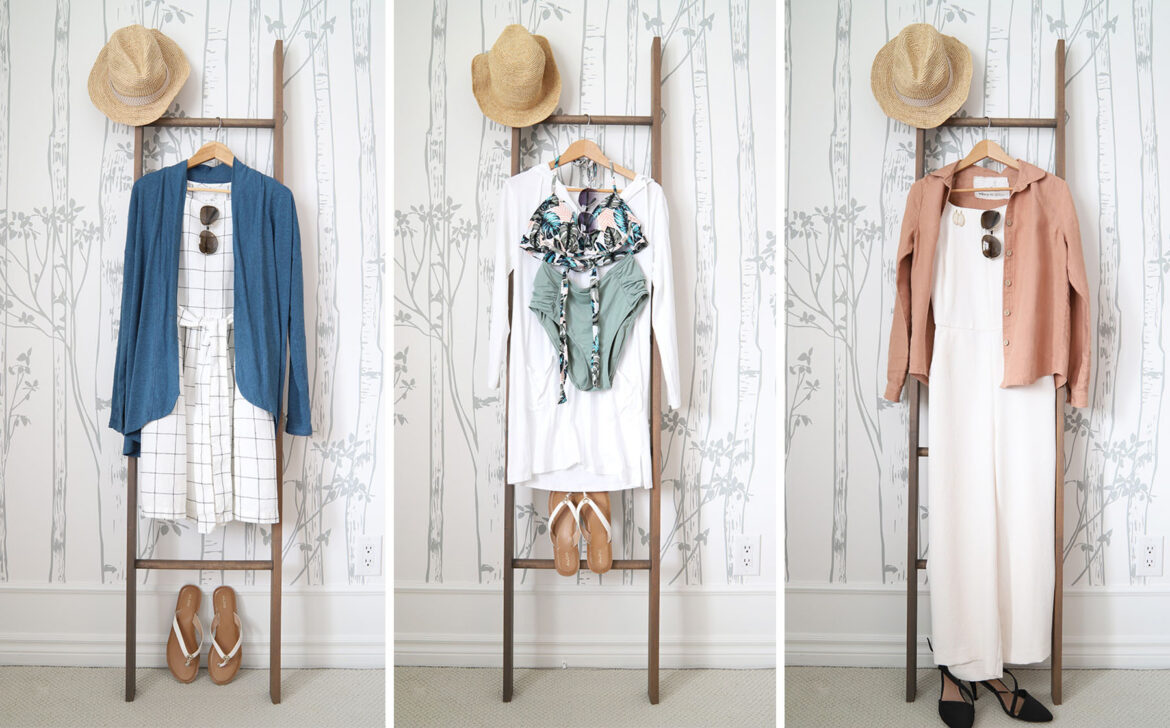
Next, try the two-hour test. If something feels fine in the mirror but irritating or restrictive after two hours, it may not deserve a full day in your life. Comfort isn’t about being oversized or boring. It’s about ease.
Asking better questions when you shop
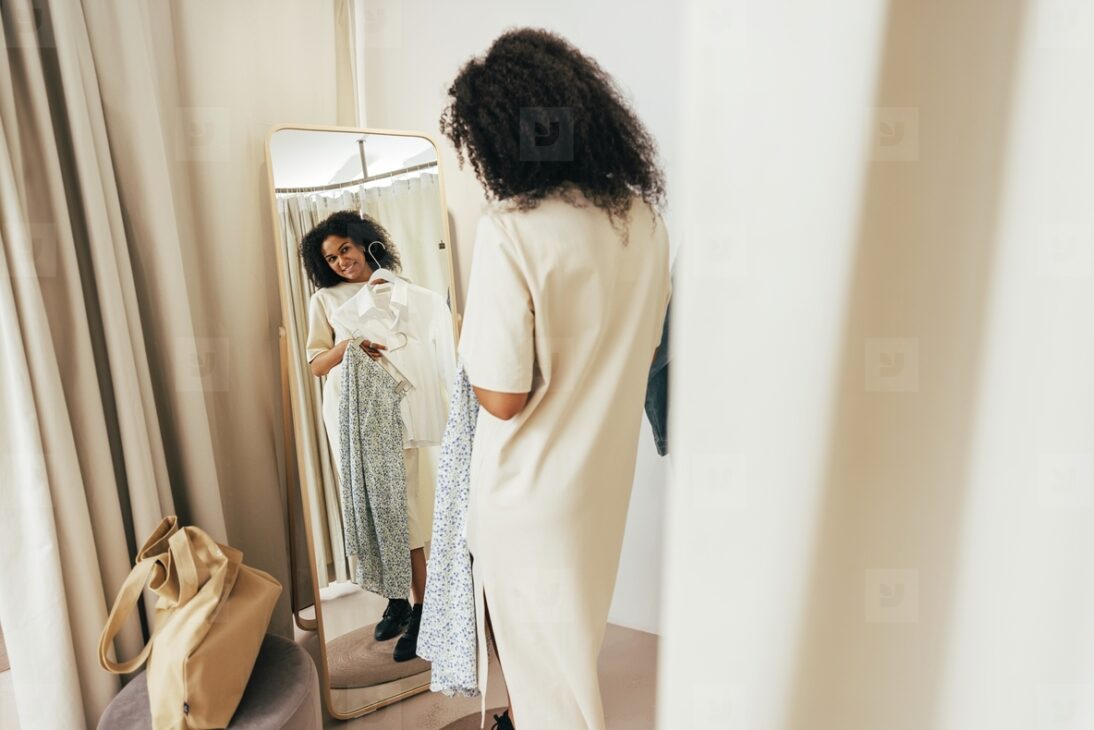
Instead of asking whether something makes you look smaller, ask whether it makes you feel calmer. Instead of imagining it on your “best” day, imagine it on a normal one. Would you wear it to run errands, sit through dinner, or travel in it?
A helpful rule is this: if a piece requires you to change your behavior eating, posture, or mood, it’s not neutral. And neutral is underrated.
Letting go without guilt
Letting go of clothes that no longer serve you can feel emotional. They often represent goals or identities you’re not ready to release. But releasing them doesn’t mean you’ve failed. It means you’re choosing to live in the body you have now, not punish it for changing.
You can still love fashion. You can still enjoy trends. You can still express yourself. You’re just choosing clothes that participate in your life instead of judging it.
What loving clothes looks like now
Loving clothes now means choosing pieces that support your days, not police your body. It means dressing with kindness, not conditions. When clothes love you back, getting dressed stops feeling like a test and starts feeling like care.
And that’s a relationship worth keeping.