Let’s just call it what it is: our relationship with food is complicated.
It’s giving toxic ex energy. It says, “I’m done,” but also, “Text me when you get home.” One minute we’re romanticising pasta like we’re starring in an indie film. Next, we’re spiralling because we dared to eat it. How did eating a literal survival mechanism become a personality crisis?
Let’s unpack the chaos.
The Unhinged Relationship We All Have With Food
Let’s be clear: our relationship with food is complex. It has that toxic ex energy, the dramatic “I’m done” followed by “but did you get home safe?” One minute we’re twirling pasta like we’re in an indie coming-of-age film, lighting perfect, main character energy activated.
Next, we’re spiralling because we actually ate it. How did something designed to keep us alive turn into a full-blown identity crisis? Somewhere along the way, nourishment became narrative. And honestly, it’s time to unpack the chaos.
When Food Became a Moral Compass
Somewhere along the line, food stopped being neutral.

It became:
- “Good”
- “Bad”
- “Clean”
- “Cheat
- “Earned”
And suddenly your lunch felt like a reflection of your character.
The Language That Messed Us Up
If you’ve ever said, “I’ll be good today,” pause.
Good how? Do you feel morally superior because you chose salad? Are you spiritually enlightened as a result of choosing salad?
Because let’s be honest: food was never the villain. The story was around it.
The Romantic Era of Eating
Here’s where things get even more unhinged: we don’t just fear food, we glorify it. One scroll through social media and it’s all curated charcuterie boards, “girl dinner” lineups, dreamy Sunday roast spreads, and matcha in aesthetic glassware that somehow costs more than your monthly utilities.
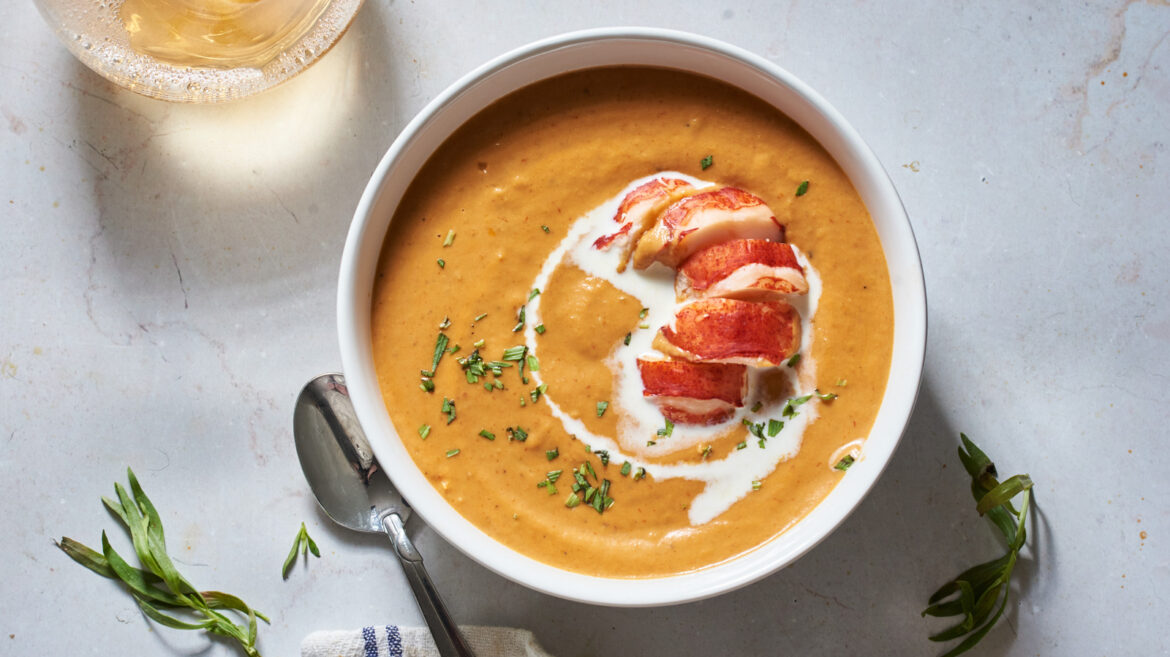
Food becomes a vibe, a brand, a lifestyle. It’s comfort and nostalgia wrapped into one. It’s culture and celebration. It’s the takeaway you order after a breakup and the cake you cut on your birthday. We place it on a pedestal while simultaneously policing every bite — and somehow that contradiction feels normal.
The Comfort Contradiction
We say “food is fuel”, but we treat it like therapy.
And honestly? Sometimes it is.
But when comfort turns into guilt, the experience shifts. That’s why understanding emotional eating and what’s really going on can completely change how you see those late-night snack moments.
Because sometimes you’re not hungry for food.
You’re hungry for relief.
The Control Illusion
When life feels chaotic and unpredictable, food can feel measurable. You can track it, plan it, restrict it, or even convince yourself you can “fix” it. Numbers feel orderly. Rules feel grounding. And for a moment, that structure creates the illusion of safety — like if you can control what’s on your plate, you can quiet everything else that feels out of control.
Why Restriction Backfires
Here’s the plot twist no one really prepares you for: the tighter you try to grip your eating, the louder your cravings tend to become. Restriction fuels obsession, obsession builds urgency, and pressure turns into that familiar “I’ll start again Monday” promise.
Before you realise it, food ceases to serve as nourishment and instead becomes a constant negotiation between rules and rebellion. The deeper truth is that trying to control food often masks a need for certainty or calm in other areas of life. And once you realise that, the entire dynamic begins to shift.
The Bloat Spiral Nobody Talks About

You eat.
You feel full.
You look down.
You panic.
Why?
Fullness isn’t failure. Bloating isn’t betrayal. Digestion exists. Hormones fluctuate. Salt holds water. Bodies expand after meals, because that’s how they function.
And yet we treat natural bodily processes like a scandal.
Social Media Made It Louder
Scroll for five minutes and you’ll see:
- “What I Eat in a Day” highlight reels
- Low-calorie swaps for literally everything
- Body checks disguised as wellness
It’s subtle, but powerful.
You start comparing your breakfast to a stranger’s curated Tuesday. You start thinking your cravings mean you lack willpower.
They don’t.
They mean you’re human.

Curate your feed like you curate your pantry. If it triggers guilt, unfollow. If it supports balance, keep it.
What a Healthy Relationship Actually Looks Like
Here’s the part that isn’t aesthetic: a healthy relationship with food isn’t about perfection, rigid rules, or perfectly portioned plates; it’s about flexibility. It’s eating when you’re hungry and stopping when you’re satisfied (most of the time, because you’re human). It’s not spiralling if you overeat and don’t draft a punishment plan for tomorrow.
It’s neutrality. Not forcing yourself to obsessively love your body every second, but also not tearing it apart. Just existing in it. Feeding it. Letting it function without turning every meal into a performance review.
Food Is Not a Personality Test
- You are not “good” because you skipped dessert.
- You are not “bad” because you ordered fries.
- You cannot fail at eating.
Let me repeat that for dramatic effect:
You cannot fail at eating.
Your plate does not determine your worth.
So How Do We Make It Less Unhinged?
Start small. Pay attention to the language you use around food and notice how often it slips into “good” or “bad” territory. Gently challenge the all-or-nothing mindset that tells you one meal defines your entire week, and ask yourself whether the urge to control your eating is really about calories or about comfort, certainty, or soothing something deeper.
Most importantly, give yourself permission to eat without turning every bite into a character evaluation. Maybe the goal isn’t to achieve some flawless, perfectly balanced relationship with food. Maybe the real winner is building a peaceful one. Can you choose peace over punishment in a world that constantly pushes you to shrink?