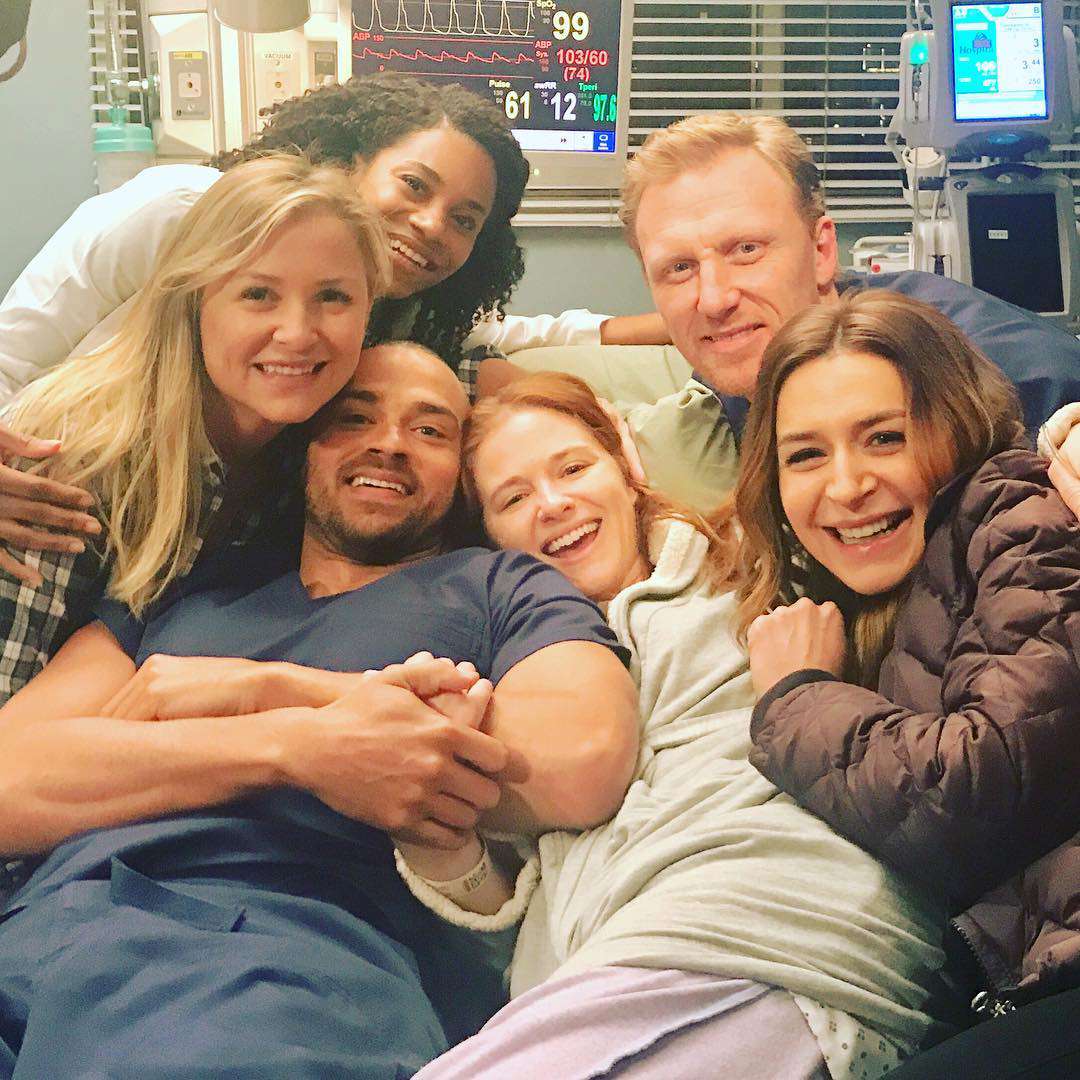
Grey’s Anatomy is not just a medical drama. It is a cultural artefact. Grey’s Anatomy has been a long-running emotional experiment. The show has subtly influenced your perceptions of hospitals, love, grief, ambition, and survival. But behind the monologues and dramatic music cues sits a stranger, darker, and far more fascinating truth.
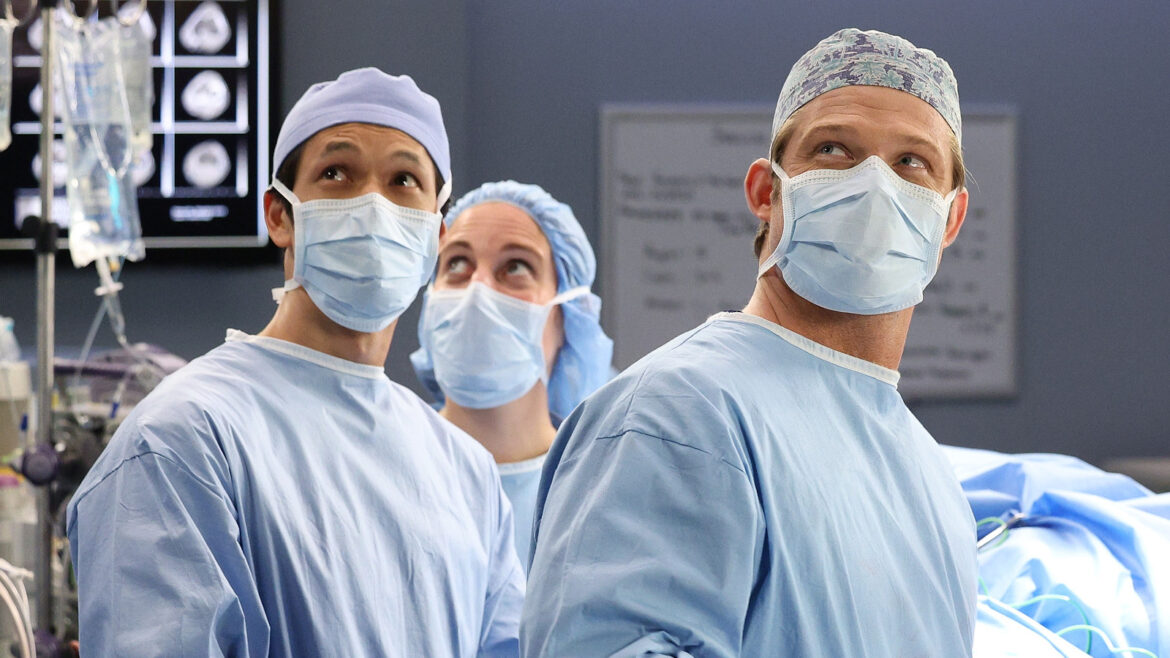
Here is what really goes on behind the scenes. The science they manipulate is truly remarkable. The emotional burden they bear is immense. Fans missed the updates. The real-world consequences were unexpected.
The show was never meant to last this long
When Grey’s Anatomy premiered in 2005, it was designed as a short-form character drama. It was not intended to become a twenty-plus-season juggernaut. Several early cast members signed contracts assuming the show would wrap within five years.
Instead, it became the longest-running medical drama in television history. That longevity came at a cost. Characters aged in real time. Actors burnt out. Storylines had to constantly escalate to justify emotional stakes. Plane crashes. Shootings. Explosions. Near-constant death.
What started as grounded drama slowly turned into emotional endurance television.
Some scenes were so intense that they caused the actors to break down.
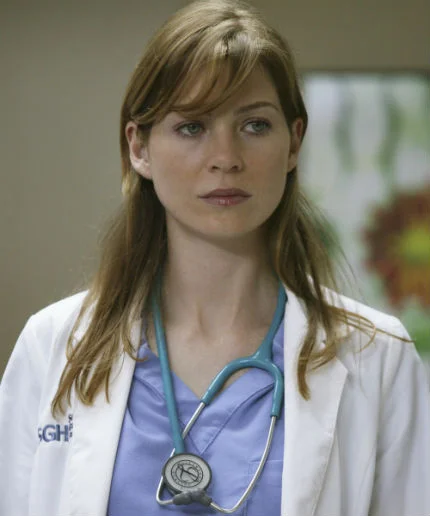
Ellen Pompeo has openly admitted that certain scenes left her in tears long after filming stopped. One early intimacy scene was so uncomfortable and emotionally off-balance that it had to be reshot. The reason for the reshoot wasn’t the visual aspect of the scene. This was due to the uncomfortable and emotionally off-balance nature of the scene.
The cast did not always get emotional distance from the material. In early seasons, actors filmed twelve to sixteen hours a day while portraying grief, trauma, and medical emergencies back-to-back. There was no decompression culture at the time. You cried, reset, and went again.
That exhaustion is still visible if you rewatch early seasons closely.
The hospital is fake. The medicine is not always wrong. But it is rarely realistic
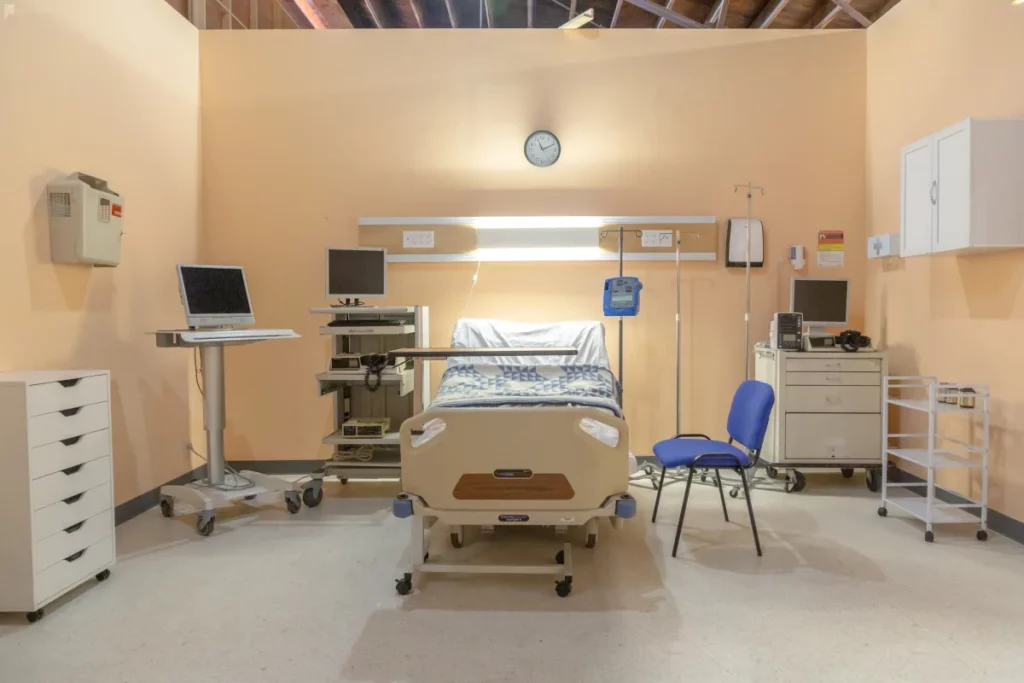
Grey Sloan Memorial looks convincing because the production uses real medical consultants and incredibly detailed surgical props. Sometimes even real animal tissue is used to create authentic visuals.

But the timelines are pure fiction.
In reality:
- Surgeries take hours longer.
- Recovery is slower.
- Doctors do not run every department.
- Interns do not lead complex procedures.
The show compresses time to keep pace with emotion. Accuracy often loses to storytelling. That choice has consequences.
Medical professionals have repeatedly stated that patients sometimes arrive at hospitals expecting “Grey’s level” outcomes. Faster answers. Miracles. Emotional speeches. Real medicine does not work like television.
Episode titles hide a quiet storytelling trick
Almost every episode is named after a song. This was not a gimmick. It was a structural device. Music dictated tone before the script did. Writers often chose a song first, then built an episode around its emotional energy.
There is one major exception. A single episode dropped the music naming entirely and instead used a domestic violence hotline number. No metaphor. No poetry. Just impact.
That decision came directly from the writers’ room. They wanted the title to interrupt viewers. The intention was to elicit a pause from the viewers.
Behind-the-scenes drama permanently changed the show
Early on, the set was not the harmonious workplace fans imagined. A major on-set scandal involving cast behaviour fractured trust and reshaped how production handled conflict.
Shonda Rhimes later admitted that the fallout traumatised the cast and forced long-term changes to leadership and workplace policies. Some characters were written out earlier than planned. Others had storylines abruptly redirected.
The incident was not just gossip. It altered the DNA of the show.
Shonda Rhimes built a stricter, safer production culture afterwards. Grey’s Anatomy became a case study in how power dynamics on set can quietly influence storytelling.
Real illness entered the story in unexpected ways
One of the show’s most quietly powerful truths is how real-world health issues seep into the fiction.
- A recurring actor later revealed he had been living with a rare neuromuscular genetic disorder for years while filming.
- A long-time cast member survived cancer, with later storylines echoing those experiences.
- Mental health arcs increasingly reflect real diagnostic conversations rather than vague “breakdowns”.
These were not always planned. Life happened. Writers adapted.
The line between actor and character blurred.
Grey’s Anatomy changed how television portrays women at work
Long before it became standard, the program normalised women as surgical leaders. Not exceptional. Not symbolic. Just present.
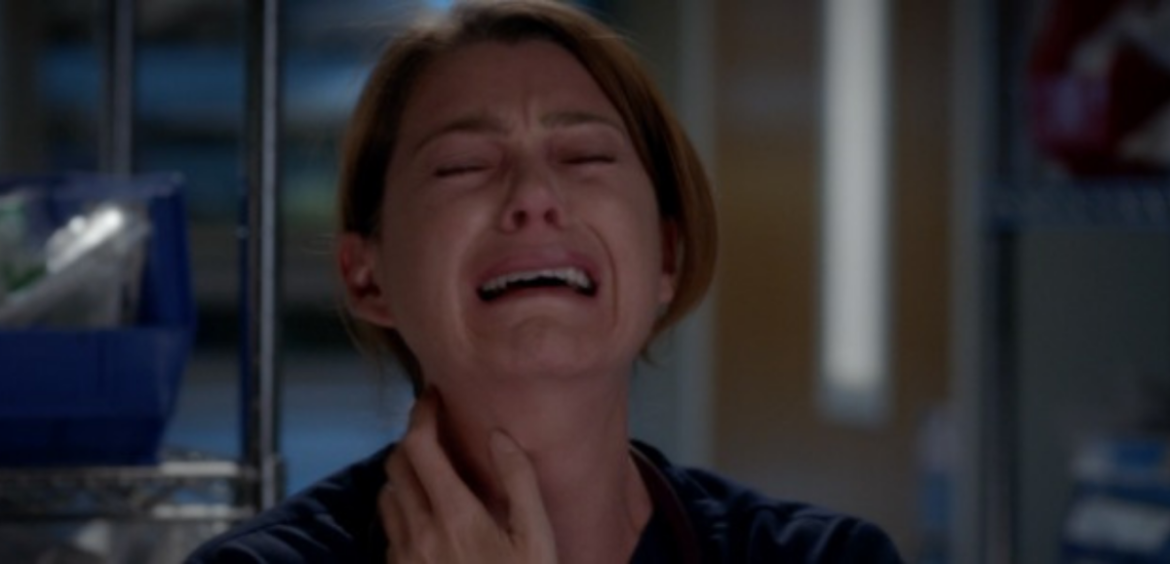
Meredith Grey was not written to be likeable. She was written to be driven. That distinction mattered. Female ambition was not punished. It was complicated. Messy. Human.
Behind the scenes, such conflicts extended to pay equity battles .Ellen Pompeo publicly fought for parity and eventually became one of the highest-paid actresses in television drama history.
That negotiation reshaped industry conversations.
Season 22 is quieter. And that is deliberate
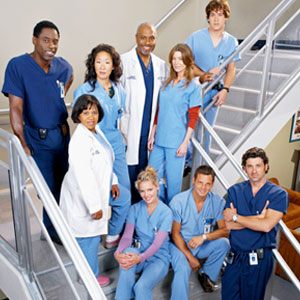
Grey’s Anatomy season 22 marks a tonal shift. Fewer catastrophic events. More long-form emotional arcs. Less spectacle. More reflection.
Some veteran characters appear less frequently. This is partly logistical. Partly narrative. The show now leans into legacy rather than shock.
Fan reactions are divided. Some miss the chaos. Others embrace the space for relaxation. What is clear is this: the show is no longer trying to outdo itself. It ‘s trying to mean something again.
Why the show still works after all this time
Grey’s Anatomy survives because it understands one truth. People are not watching for medicine. They are watching so they feel seen.
Grief. Jealousy. The love endures for an extended period. The love ends too soon. Careers have the potential to consume one’s identity. Bodies experience failure. There are systems that fall short of expectations.
The hospital is a backdrop. Humanity is the point.