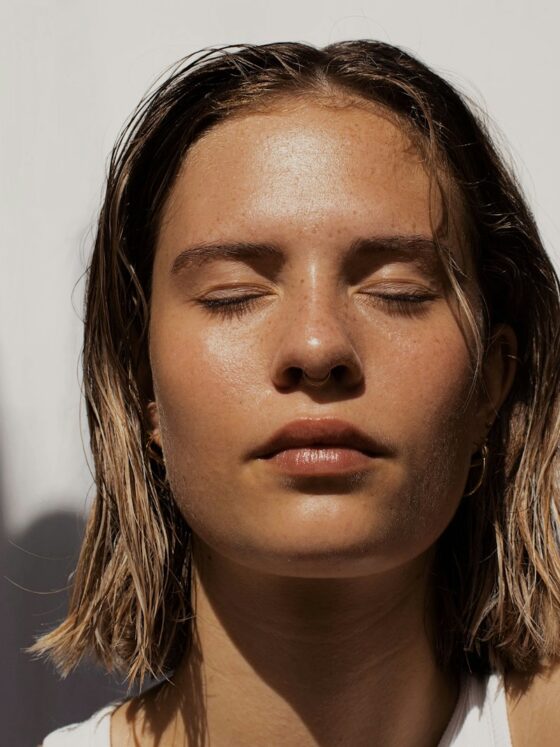

Sunlight is the ultimate mood booster. Step outside for a morning walk, feel that golden warmth on your skin, and suddenly your coffee tastes better, your brain feels switched on, and life just seems brighter. But as with most good things (looking at you, Netflix binges and late-night pizza), too much sunlight can backfire. Understanding when the sun’s rays are beneficial and when they are silently harming your skin is crucial.

Why sunlight isn’t the villain
Despite the warnings about sun damage, sunlight does not pose a threat. In fact, your body depends on it. Sunshine helps regulate your circadian rhythm, your body’s internal 24-hour clock that decides when you feel alert, when you hit that 3 p.m. slump, and when you finally drift into deep sleep. Without enough natural light, that rhythm wobbles, leaving you groggy, moody, and wide awake at 2 a.m.
Then there’s vitamin D, the sunshine vitamin. A few minutes of UVB exposure triggers a chemical reaction in your skin that produces vitamin D, which strengthens your bones, supports immunity, and even helps regulate mood. Studies indicate that people who get the right amount of morning sun are less likely to get sick and recover faster. Sunshine also boosts serotonin, that joyful hormone that makes you feel like life’s a little lighter. Think of it as nature’s free antidepressant.
So no, sunlight isn’t something to avoid completely. It’s more like coffee: a small daily dose perks you up, but too much? You’ll regret it later.

When sunlight tips into “too much”
To reap the benefits, it’s often sufficient to expose yourself to 20 to 30 minutes of direct sun exposure per day. However, if you continue to be exposed without protection, the situation can quickly deteriorate. Overexposure can cause sunburn, those painful red patches that make even hugging a T-shirt feel like torture. Long term, it breaks down collagen, the protein that keeps your skin bouncy and smooth. That’s why premature wrinkles, sagging, and dark spots are so strongly linked to excessive UV exposure.
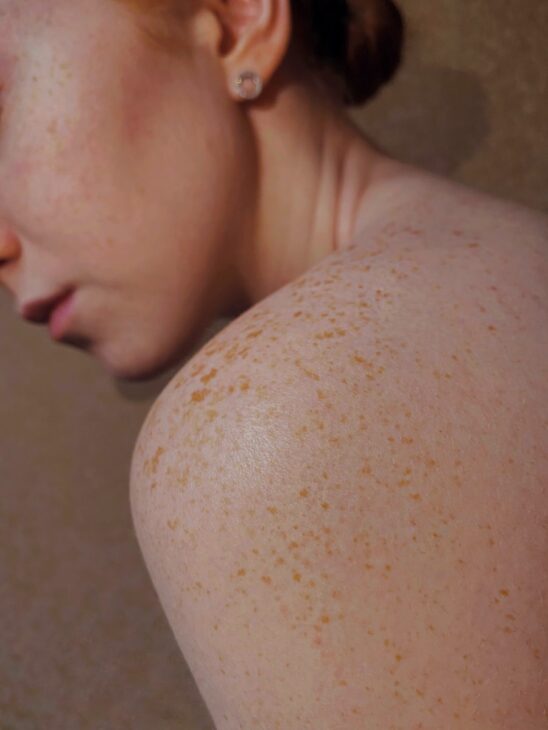
What’s even more concerning is that excessive UV exposure can lead to premature wrinkles, sagging, and dark spots. Years of overdoing it raise your risk of skin cancer, including melanoma—the most dangerous type. It’s not just fair-skinned folks at risk, either. While darker skin does provide more melanin (a natural filter against UV rays), it doesn’t make you immune. Even in places like the Philippines, which has the eighth-lowest incidence of skin cancer in the world, awareness and protection are still key.
And then there’s heat exhaustion. Spend hours under a blazing sun and your body can overheat—cue dizziness, nausea, headaches, and in extreme cases, fainting. If your “fun day out” leaves you seeing stars (and not the Hollywood kind), you’ve definitely had too much sunlight.
Timing really matters
Not all sunlight is created equal. Between 10 a.m. and 4 p.m., UV rays are at their strongest, and that’s when your skin takes the hardest hit. Think of it as rush hour traffic—if you can, avoid being caught in it. Early mornings and late afternoons are gentler times to soak up those golden rays without frying your skin. And if you’re heading out in the midday sun? Don’t just pack water—pack shade, sunscreen, and your biggest sunnies.
Protect your glow without hiding indoors.
Here’s the good news: you don’t need to live like a vampire to protect yourself. Sunscreen is your ultimate sidekick, and investing in a hydrating night serum can help your skin repair while you sleep. Pair that with a wide-brim hat, breathable clothing, and enough water to keep you hydrated, and you’re golden—literally.
Protection also means balance. On days when the UV index is sky-high, opt for shorter outdoor stints or get creative indoors. Maybe finally try your hand at mobile phone photography or make a round of iced lattes while reading fun facts about coffee. The sun will still be there tomorrow.

The melanin myth
If you have darker skin, you’ve got a bit of built-in protection thanks to melanin, which reduces your chances of sunburn. However, this should not be interpreted as an exemption. While melanin lowers the risk, it doesn’t eliminate it. Even with naturally darker skin, sunscreen and smart sun habits are essential. Your skin is still your largest organ, it deserves the same love and protection.
The mic drop moment
So, do you need sunlight? Absolutely. It’s essential for your health, your mood, and even your sleep cycle. But like tequila shots and reality TV marathons, the magic lies in moderation. Twenty minutes of sun can leave you glowing, but hours without protection? That’s when you cross into danger territory.
Your future skin will thank you for every layer of sunscreen, every shady corner, and every time you said no to baking yourself for “just five more minutes.” Stay radiant, stay smart, and keep that glow without the burn. Mic drop.