Resident Evil – A Heart-Pounding Horror Experience!
If you hear the sound of a window smashing or a low, guttural moan in a dark hallway, you don’t run; you check your inventory. That is the “Resident Evil effect”. Since 1996, Capcom has been teaching us that green herbs cure all wounds and that oversized keys are the only way to get through a mansion.
Resident Evil is not just a game, but a benchmark for survival horror. Whether you’re a veteran who remembers the original tank controls or a newcomer jumping in with the latest RE engine masterpieces, the series remains a masterclass in making your palms sweat.

The Anatomy of Terror: Gameplay Mechanics
What makes a Resident Evil game feel so different from your standard shooter? It’s the constant tension between your lizard brain (which wants to shoot everything) and your logical brain (which knows you only have three bullets left).
- Resource Management: Managing resources is the secret sauce. Every shotgun shell is a precious gift. Do you use your last herb now, or do you limp through the next room hoping there isn’t a Licker waiting on the ceiling?
- The Puzzle Box: The franchise loves its architecture. Navigating a Resident Evil map is like solving a giant, lethal Rubik’s Cube. You’ll find yourself backtracking through eerie police stations and gothic castles, carrying strange emblems and crank handles to unlock the path forward.
- Visceral Combat: Modern entries have moved toward a first-person perspective or a tight over-the-shoulder view, making every encounter with a grotesque creature feel uncomfortably close.
| Feature | The Resident Evil Experience |
| The Vibe | The atmosphere is claustrophobic, filled with a sense of dread, and surprisingly stylish. |
| The Enemies | From classic zombies to 9-foot-tall vampire matrons. |
| The Goal | Survive the night and expose the Umbrella Corporation. |
A Story of Shadowy Corporations and Bio-Organic Weapons
At its heart, the series is a sprawling soap opera… if that soap opera involved man-eating plants and global viral outbreaks. The narrative follows a rotating cast of iconic heroes like Leon S. Kennedy, Jill Valentine, and Chris Redfield as they battle the machinations of the sinister Umbrella Corporation.
The beauty of the writing lies in the environmental storytelling. You’ll find blood-stained journals and frantic notes left behind by victims that fill in the gaps of the nightmare, making the world feel lived-in and terrifyingly real.
Sensory Overload: Graphics and Sound
If you’re playing the latest installments on a PlayStation 5 or Xbox Series X, you know that horror has never looked this good or this gross. Thanks to the RE Engine, character models feature photorealistic skin textures and lighting that dances off the blood-slicked floors.

But the real MVP is the sound design. The sound of floorboards creaking behind you or the distant, heavy footsteps of an unstoppable pursuer (we’re looking at you, Mr X) does more to build fear than any jump-scare ever could.
Did You Know? Resident Evil Trivia
- Spiritual Successor: The original 1996 game was actually intended to be a remake of an earlier Capcom horror game called Sweet Home.
- Lost in Translation: In Japan, the series is known as Biohazard. The name was changed to Resident Evil for the Western market due to branding issues.
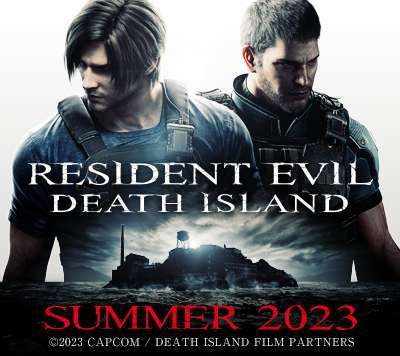
- Box Office Bite: The franchise is so massive it has leaped off the screen into a multi-billion dollar film franchise, countless novels, and even Netflix series.
- Urban Legends: Many of the creature designs are inspired by real-world folklore and classic horror cinema, from Night of the Living Dead to body-horror legends.
Final Verdict: Can You Survive the Night?
Resident Evil persistently challenges the limits of survival horror. It balances campy B-movie charm with genuine, bone-chilling terror. If you haven’t yet stepped into the dark, now is the time to grab your flashlight and hope for the best.
Are you ready to face the infection?