
Depression isn’t new. It’s been tucked into the corners of families, whispered about between generations, and misunderstood for far too long. Some people openly share their struggles. Others shrink into silence because of shame, fear, or the dread of being judged. And yet here we are, in a world where one in four people will face severe depression at some point in their lives.
People kept telling me for years, “You should share your story.” I wasn’t convinced. I’m not a motivational speaker. I’m not here handing out miracle cures. But I am here, alive and standing after some very messy, very human chapters. And if my story makes even one person feel less alone, then it’s worth telling.
Depression doesn’t look the same on everyone
It comes in all shapes and intensities. Some people talk. Some people disappear. Some become louder. Some become quieter. Some look like they’re thriving on the outside while falling apart inside.
And trust me, there’s no such thing as “the right reason” to be depressed. This illness doesn’t check your bank account, your Instagram feed, or your family photo albums before choosing you.
My diagnosis
In 2012, after moving cities, starting a new job, and trying to build a new life, depression hit me like a tidal wave. From the outside, everything looked fine. Friends. Job. Family. It appeared to be a pleasant place to reside.
Inside, I felt empty.
My confidence vanished. My appetite disappeared. Conversations exhausted me. People perceived me as rude or aloof, but in reality, I merely required some space to breathe.
When I finally tried opening up, I was met with the classic hits:
• “Just get over it.”
• “Cheer up!”
• “Just be happy.”
• “Have you taken your meds today?”
If only it worked like that. As if one tablet could snap your brain back into alignment like a Lego brick. I wish.
Depression is invisible, but real
Every day, we encounter individuals who appear well-dressed, smile, engage in conversation, and post selfies, yet struggle to maintain their composure. You can’t always see depression, but it’s there—quiet, heavy, and deeply personal.
That’s why support matters. Support is not about fixing someone. It’s crucial to refrain from offering uninvited advice. Just listening. Sitting beside them in the dark until they feel safe enough to reach for the light is crucial.
What depression really feels like
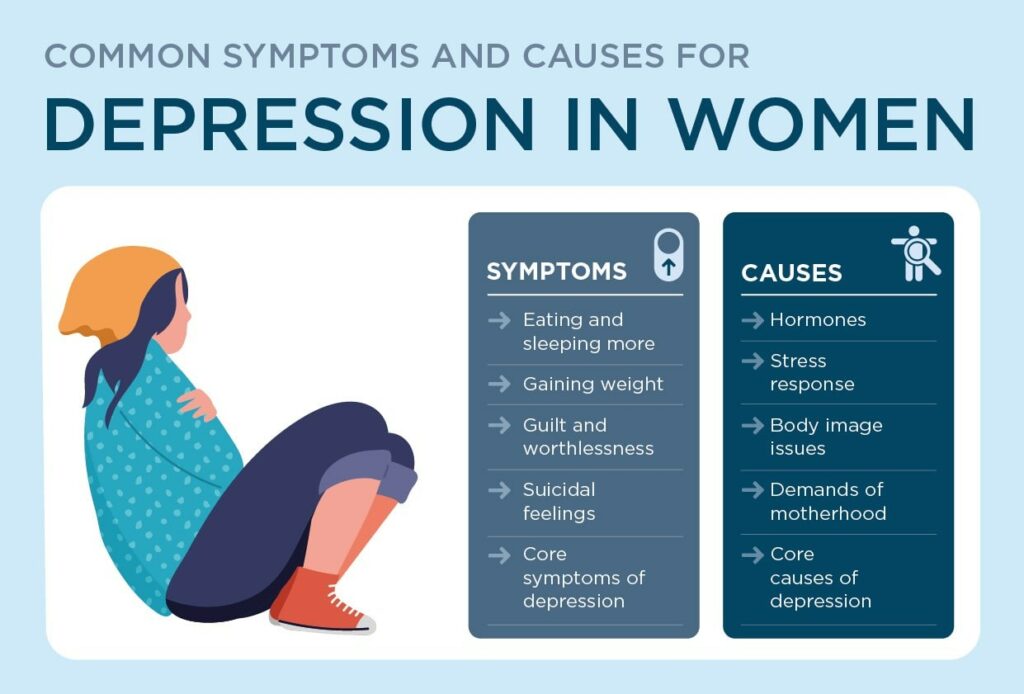
It’s not “a bad day”. It’s deeper and longer. You might recognise:
- Persistent sadness or low mood
- Feeling flat, numb, or uninterested in life
- Struggling to make decisions
- No enjoyment in things you once loved
- Exhaustion or restlessness
- Loss of appetite or weight changes
- Difficulty sleeping
- Low sex drive
- Thoughts of self-harm or suicide
Doctors classify it as mild, moderate, or severe to help guide treatment. But the label matters far less than your experience.

You’re still in the driver’s seat
Even when life feels heavy, you still have choices. Small ones count. If your job drains you, explore something new. If you need a break, take one. Try travelling. Pick up a hobby. Attend a workshop. Talk to someone safe.
Step by step, you steer yourself forwards.
Real facts about depression
- Major depression has become ten times more common since the 1940s.
- The first onset typically appears between ages 25 and 29.
- Up to eighty percent of suicide cases involve major depression.
- A quarter of suicides in the US are linked to undiagnosed depression.
- People with depression often appear “fine” on the outside because depression is a hidden illness.
Triggers vary: stressful events, family history, previous episodes… or sometimes, nothing at all. Absolutely no cause you can point to. And that’s okay. It’s still valid.
You are not a burden. You are not broken.
If I’ve learnt anything, it’s this: being honest about your mental health doesn’t make you weak. It makes you human. And being human is messy, extraordinary, exhausting, and beautiful in equal measure.
If you’re struggling, please reach out, for a chat, for a cry, for a laugh, for whatever you need.
You matter. You deserve help.
Support lines
If you or someone you know needs support, please reach out:
- National Suicide Prevention Lifeline: 1-800-273-TALK (1-800-273-8255)
- Crisis Text Line: Text “HOME” to 741741
- Samaritans: Call 116 123 (UK and Ireland)
- Befrienders Worldwide: Find a helpline in your country
And if you’re reading this thinking, ‘This sounds like me,’ then please know this:
You’re not alone.
You’re not a problem.
And you’re absolutely allowed to ask for help