For most dog owners, their four-legged friends are a part of the family. They eat our leftovers, accompany us when we go for walks, relax while watching television, and often sleep in our beds. However, unlike the humans in your household, your dog can’t talk, so it can’t complain when it feels unwell.
This means that it’s up to you to spot when your puppy needs to see the vet. Unfortunately, it can be difficult to know when this is necessary. To help you take care of your pet, here are twelve signs you need to watch out for.
1. Change in Eating Habits
It’s common for dogs to occasionally skip meals, particularly during the summer months when the weather is scorching. However, if your pooch has been avoiding their food for two days or more, it’s clear that something is off with them.
Loss of appetite can be a sign of several issues, from certain diseases to dental problems. Eating more than usual or trying to eat garbage is also a red flag that requires examination by a vet.
2. Sudden Loss of Weight
Whether your pup is overweight or not, sudden weight loss is not a good sign. You may be trying to help your pet shed some extra fat, but if they do so too quickly, it can indicate a serious health problem. For this reason, you must check your dog’s weight regularly.
If it ever declines by more than ten percent in only a short time, you’ll want to bring it up with your vet. This weight can seem insignificant for smaller breeds, as few as a few pounds.
3. Trying to Hide Away
Every animal is different, with some preferring to spend time alone and others loving the company of their human companions. If your dog usually is quite friendly and sociable but suddenly starts going off by itself and hiding away, it can be a negative sign.
Several problems, such as stress, illness, or injury, could trigger this need to hide. When your dog is hiding, coax it out as gently as possible. The goal is to avoid any further trouble.
4. Random Acts of Aggression
Just like us humans, all dogs can get grouchy at times. However, there’s a major difference between being slightly moody and overly aggressive. Rather than punishing your normally loving dog for their sudden angry behaviour, you should try to find out if there is a reason.
More often than not, this aggression is a sign that your dog is in pain, whether it be from an illness or injury. This is especially true if your pet gets frustrated when you try to touch it.
5. Sleeping Longer Than Usual
Although dogs can sleep for quite a long time, they shouldn’t nap like cats do most of the day. Instead, they should be active and energetic, with a strong desire to play and go for walks with you. For this reason, lethargy indicates that something is troubling your four-legged friend.
Sore muscles and short periods of fatigue are normal and can be due to warm weather. However, if symptoms persist for more than two days, you should see your vet.

6. Dry or Rough coats
A dog’s coat, regardless of its breed, should be shiny, soft, and thick. Something could be wrong if you’ve noticed that your pet’s coat has changed and become dry, rough, dull, or has bald patches. Several different things can trigger this symptom, from the wrong kind of food to a skin disease.
However, regardless of the culprit, the issue is severe, so a trip to the vet is a must. This gives you a better chance at finding the problem and putting it right.
7. Drinking More Than Normal
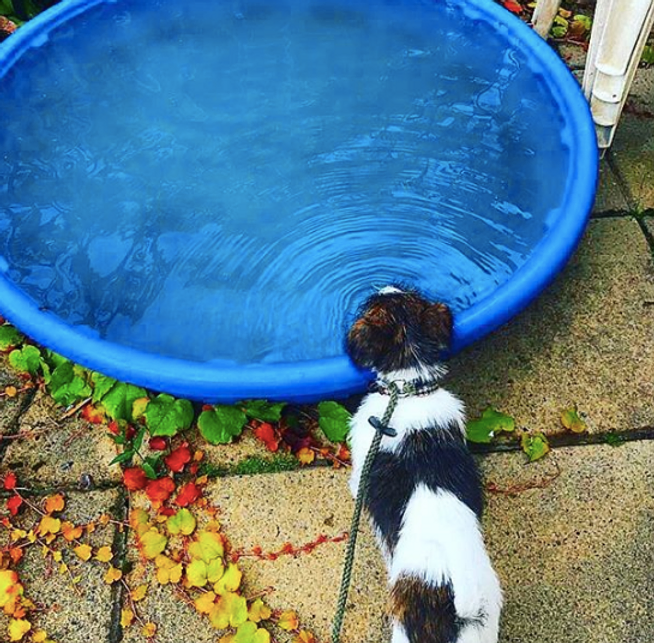
As a responsible dog owner, you must monitor your dog’s daily water intake. This is because a dog that suddenly wants to drink more water could develop health problems like diabetes or kidney disease.
You’ll know your dog drinks more than usual if you have to top up their water bowl more frequently or if they need to go outside more often. Ensure you note when your dog drinks excessively and speak to a vet if it continues.

8. Throwing Up More Frequently
In dogs, occasional vomiting is normal and may just mean they’re trying to get rid of something that doesn’t agree with them. That being said, there are some instances where vomiting should concern you. For instance, you should be concerned if your pet is vomiting frequently or has done so repeatedly.
You must also contact your vet if the vomit contains blood. Dealing with vomiting quickly is crucial, as it can lead to other issues.
9. Different colours of Gums
Unless they were born with black ones, your dog’s gums should be quite pink. Any change in colour here could indicate that your pet is sick or injured. For instance, white gums indicate blood loss, while red ones indicate dental problems.
Bad breath in dogs can also be spotted by bad breath in dogs. If your dog’s breath has become excessively stinky recently, you should speak to a professional, especially if the gum colour has changed too.
10. Dragging the Rear End

Scooting or dragging at the rear end could just be your dog’s way of tackling an itch or messing around. However, it can also be a sign of something much worse. From worms to blocked anal glands, this behaviour can show that something isn’t right with your pet. To be sure, you can look at your dog’s stool.
This sign is often a good indicator of a canine’s overall health. A vet visit is beneficial if you spot worms, blood, or mucus in this stool or see a different consistency.
11. Red or Cloudy Eyes
A dog’s eyes are supposed to be bright and clear. Anything different from this could indicate an injury or infection. Specific symptoms to watch out for include red or cloudy eyes, excessive discharge, and squinting.
Eye problems and diseases can progress rapidly, causing eyesight issues and even blindness. To prevent this, please address the issue promptly by scheduling an appointment with your vet at your earliest convenience.
12. Signs of an emergency
While all of the symptoms above can be serious, some always need immediate professional help. These are known as emergency symptoms and should be dealt with right away.
These problems include difficulty breathing, open wounds, seizures, sudden collapse, a swollen abdomen, and extreme pain, which can be seen as shaking or whining. If your usual vet is not available, you should reach out to an emergency clinic.

Knowing when something is wrong with your pet isn’t always easy. However, they don’t are empowered to speak up and tell you they feel unwell. As a responsible dog owner, it is up to you to spot the signs yourself and take the appropriate action. Hopefully, with the advice above, you’ll find the situation a little easier in the future.