
Your 20s Aren’t Supposed to Feel “Figured Out”
If you’re in your 20s and feel behind, confused, or quietly panicked about your career, you’re not failing. You’re normal.
There’s an unspoken pressure to have everything mapped out early: the right job, the right industry, the right timeline. But most people don’t build meaningful careers through certainty. They build them through trial, error, and small course corrections.
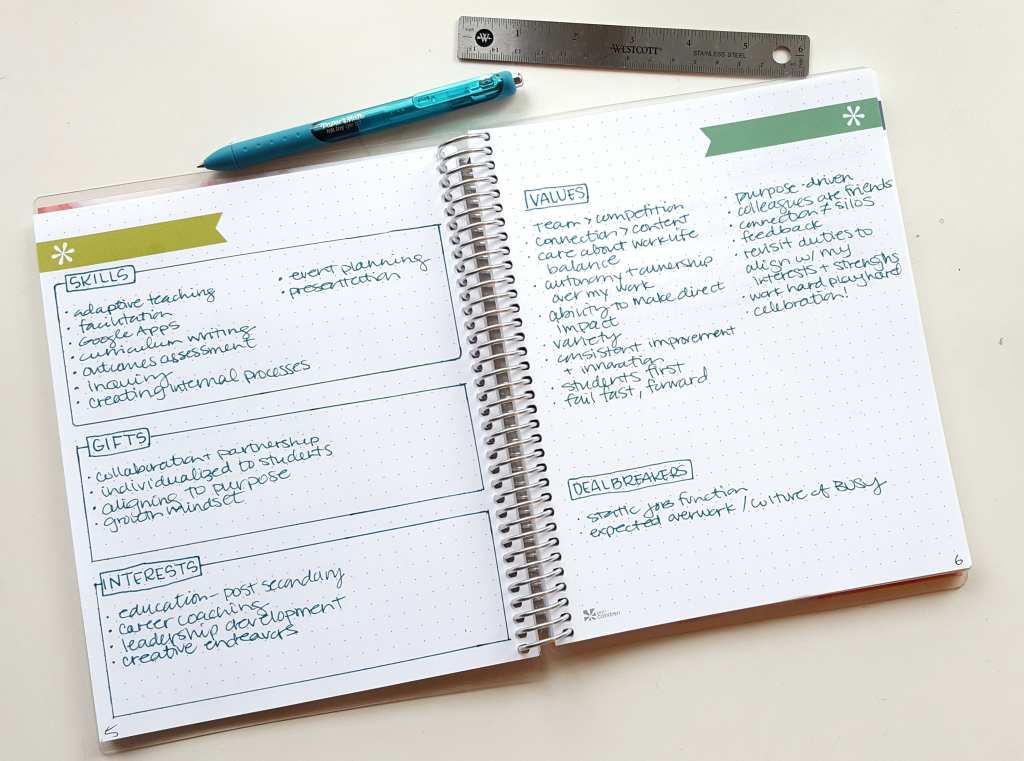
People typically learn this type of career advice through personal experience, whether it’s due to burnout, unfavourable bosses, or prolonged periods in unsuitable roles.
You Don’t Need a Dream Job—You Need Momentum
The idea of a “dream job” sounds appealing, but it often creates unnecessary pressure. Instead of searching for one perfect role, focus on movement.
Ask yourself:
- Am I learning something useful?
- Am I gaining skills I can transfer elsewhere?
- Am I clearer about what I don’t want?
Momentum builds clarity. Clarity rarely comes first.
Stability Is Not Selling Out
There’s a narrative that says if you’re not passionate, you’re settling. But stability can be strategic.
A steady job can:
- Pay your bills without constant stress
- Give you time to plan your next move
- Support therapy, courses, or side projects
- Protect your mental health
Stability doesn’t mean you’ve stopped dreaming. It means you’re giving yourself room to breathe.
Your First Jobs Matter Less Than You Think
Your early jobs won’t define your entire career, but they will teach you important lessons.
Even jobs you hate can show you:
- What kind of management drains you
- How you respond to pressure
- What work environments suit you
- What boundaries you need
Nothing is wasted if you’re paying attention.

Hard Work Is Invisible Without Communication
This is a tough one: working hard quietly doesn’t always lead to recognition.
Career growth often requires:
- Speaking up about your work
- Asking for feedback
- Advocating for raises or new responsibilities
- Making your contributions visible
This isn’t about ego; it’s about making sure your effort doesn’t disappear unnoticed.
Burnout Is Not a Personality Trait
Being exhausted all the time is not proof that you’re ambitious. In your 20s, burnout is often glorified as dedication.
In reality, chronic burnout:
- Dulls creativity
- Leads to poor decisions
- Makes work feel heavier than it needs to be
- Pushes people out of careers they might’ve loved
Learning how to rest is part of learning how to succeed.

Money Skills Will Shape Your Career More Than You Expect
No one tells you this early enough: financial stress influences almost every career decision.
Understanding basic money skills – budgeting, saving, and negotiating salary – gives you freedom. When you’re not desperate, you can choose roles based on growth instead of fear. This is essential career advice that rarely gets emphasised.
Stop Comparing Timelines
Social media makes it look like everyone else is ahead. Promotions, relocations, “dream jobs”—all shared without context.
What you don’t see:
- Family support
- Financial safety nets
- Private struggles
- Career pivots that didn’t work
Comparison creates urgency where patience is needed.
Final Thoughts
The best career advice I can offer is this: you’re allowed to grow slowly. You’re allowed to change your mind. You’re allowed to prioritise your well-being.
Your 20s are not a deadline; they’re a foundation.