When a feel-good TV phenomenon hid one of the darkest behind-the-scenes legacies
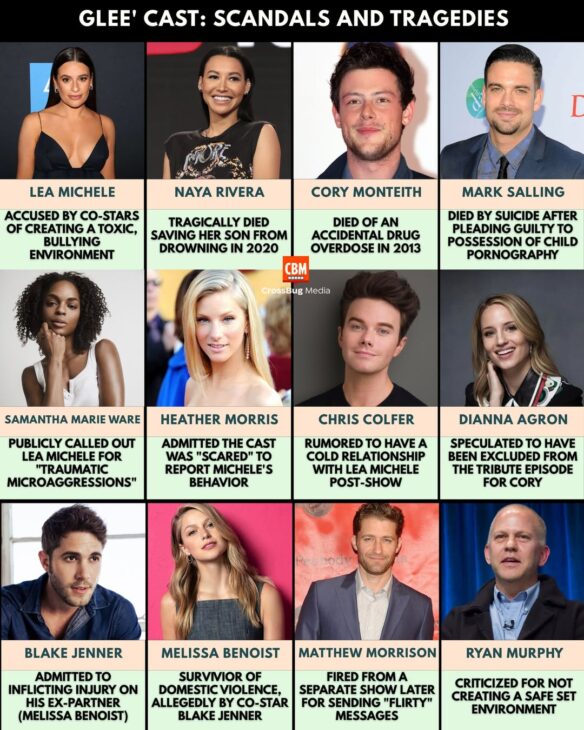
Let’s be real: Glee was never just a TV show. It was a pop-culture moment. Glee ushered in a Tumblr era. It embodied a distinct personality trait. Scandals, secrets, and tragedies associated with the Glee cast have shaped the show’s legacy today.
It gave us mashups we didn’t ask for but somehow loved, made show choir cool again, and promised a world where being different was something to sing about. On screen, Glee sold joy, inclusivity, and youthful optimism.
Off-screen? The story was far messier.
Over the years, the cast’s real-life experiences revealed a pattern of pressure, power imbalances, silence, and devastating loss. What follows is not gossip or speculation but a clear look at reported events, public statements, and confirmed outcomes, told with honesty, empathy, and context.
Lea Michele and the Allegations That Changed the Conversation
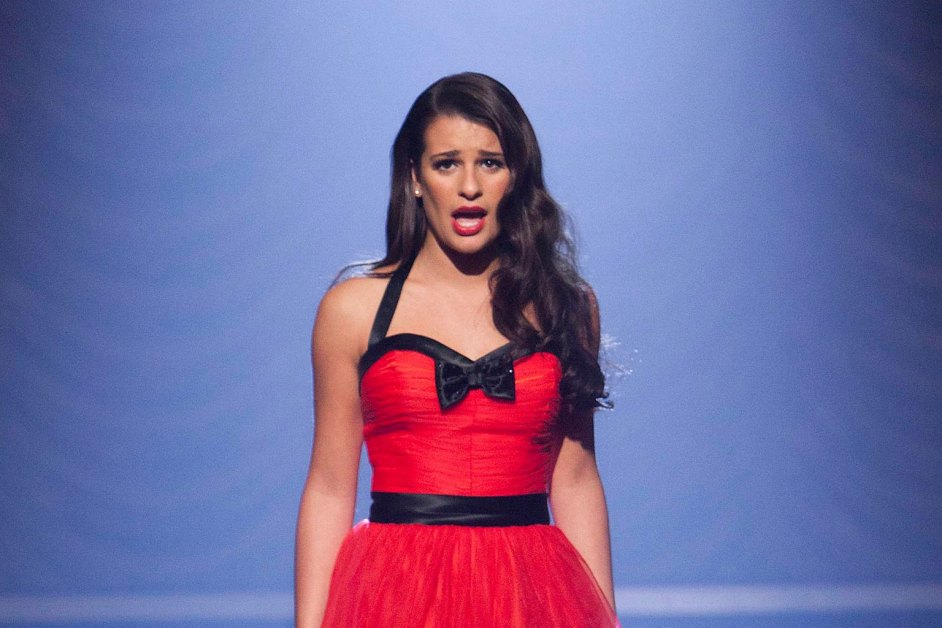
In 2020, the internet revisited Glee in a way no nostalgia playlist could soften. Multiple former cast members accused Lea Michele of creating a hostile work environment.
Actress Samantha Marie Ware shared her experience of “traumatic microaggressions”, a statement that swiftly ignited a heated debate. Other cast and crew members echoed similar sentiments, shifting long-standing rumours to a public reckoning.
Michele later issued an apology, acknowledging harm and stating her intention to grow. While no formal investigation followed, the fallout permanently altered her public image and sparked wider conversations about power dynamics on TV sets, especially in shows driven by hierarchy and fame.
If you’re interested in how workplace culture in Hollywood is changing, this moment became a key reference point in that discussion.
Naya Rivera: A Legacy of Courage Beyond the Screen
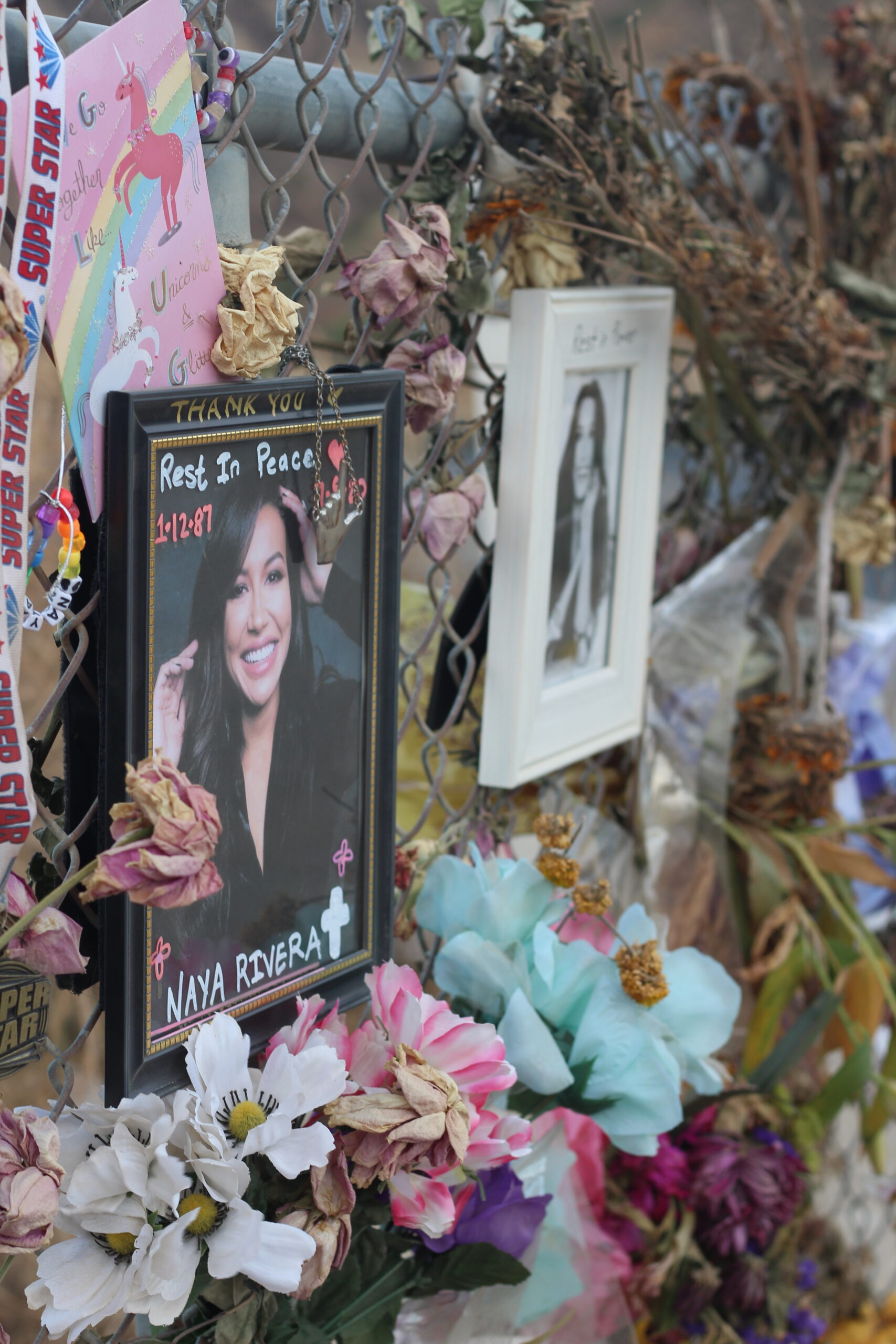
In July 2020, the Glee universe suffered one of its most devastating losses. Naya Rivera died after drowning while boating on Lake Piru in California.
Authorities concluded that Rivera used her final strength to save her young son, lifting him back onto the boat before she drowned. The details shook fans worldwide.
Rivera’s legacy now lives on not only through her iconic portrayal of Santana Lopez, one of television’s most important queer Latina characters, but also through an act of real-life heroism. Her story remains a painful reminder that strength often goes unseen until it’s too late.
Cory Monteith: Fame, Addiction, and an Unfinished Story
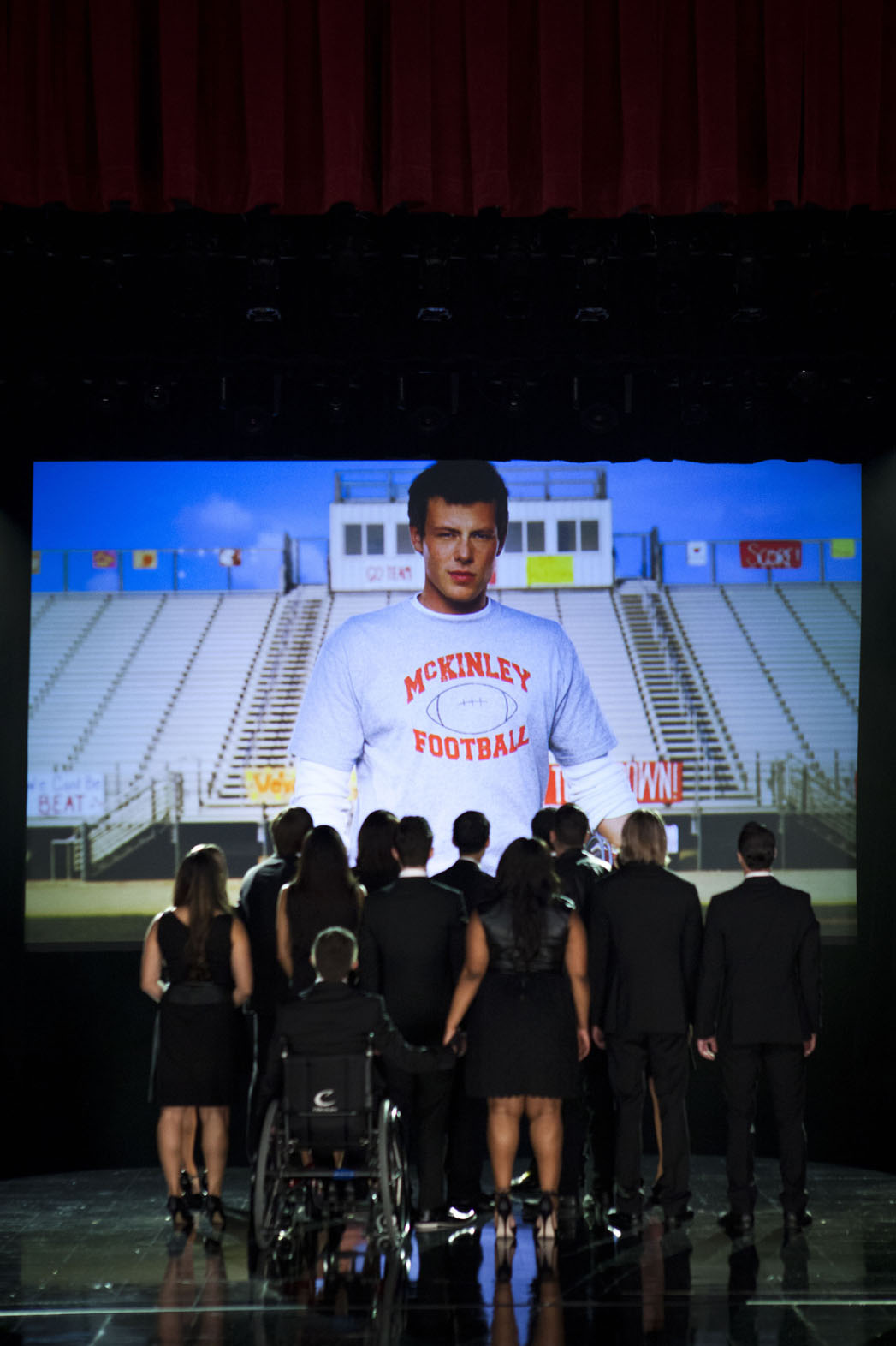
In 2013, Cory Monteith died from an accidental drug overdose after years of publicly battling addiction. Monteith’s death occurred while Glee was still airing, forcing the show and its young cast to confront grief in real time. The tribute episode dedicated to him remains one of the most emotionally raw moments in modern television, equal parts memorial, heartbreak, and goodbye.
Behind the scenes, his death highlighted the brutal pressure placed on young stars navigating fame, mental health struggles, and recovery under constant public scrutiny.
Mark Salling: A Criminal Case That Cast a Long Shadow
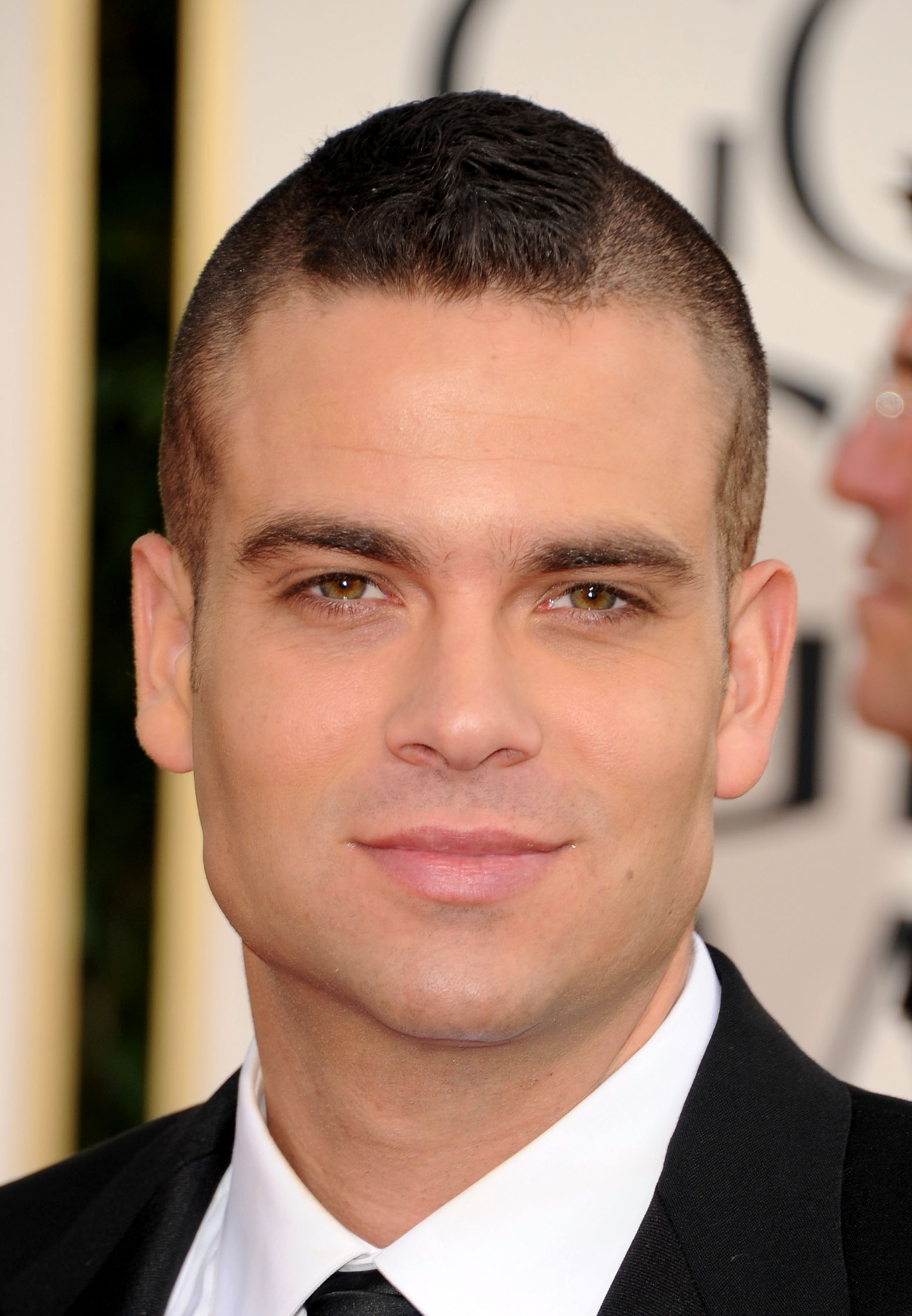
Former cast member Mark Salling pleaded guilty in 2017 to possession of child pornography. Before sentencing, he died by suicide in 2018.
His case remains one of the most disturbing chapters in Glee’s history. This incident fundamentally changed the way the show is remembered and raised challenging questions about accountability, responsibility, and the extent to which art can be separated from the artist.
When Speaking Up Felt Dangerous
Several cast members later revealed that the Glee set was not always a safe place to raise concerns.
Heather Morris stated that the cast felt “scared” to report issues, suggesting a culture where silence was easier than speaking out. These comments added weight to the idea that the problems extended beyond any single individual.
Meanwhile, Chris Colfer largely distanced himself from public discussions about cast dynamics. Rumours of strained relationships circulated but were never officially addressed, showing how silence itself became part of Glee’s mythology.
Fans also speculated about Dianna Agron’s limited appearance in Cory Monteith’s tribute episode. No explanation was given, leaving another unanswered question in a series full of them.
Abuse, Accountability, and Survivor Voices
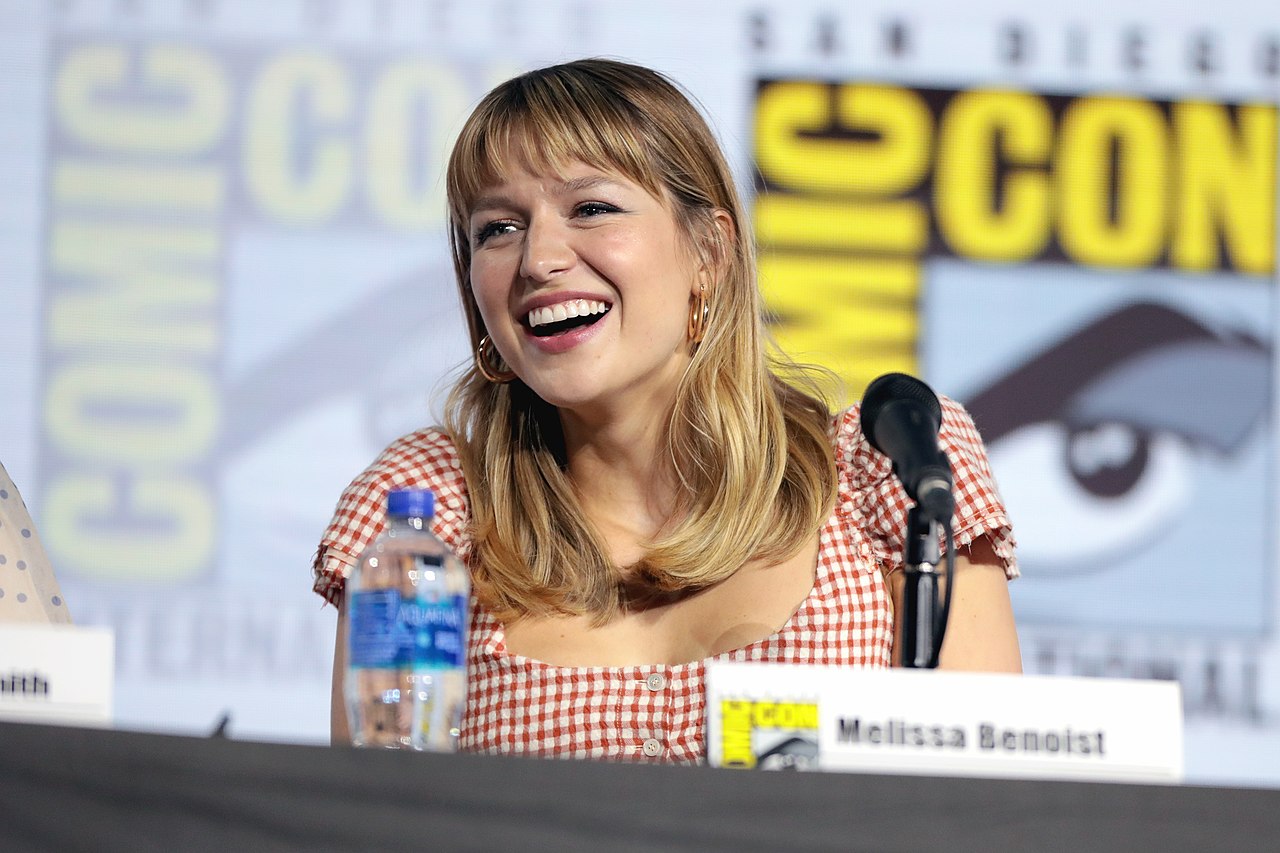
One of the most powerful post-Glee moments came when Melissa Benoist publicly shared her experience surviving domestic violence.
Her former partner, Blake Jenner, later admitted to causing injury. Benoist’s decision to speak out was widely praised for centring survivor advocacy and shifting the conversation away from shame and silence.
Leadership and the Questions That Remain
As creator and showrunner, Ryan Murphy has faced criticism for failing to ensure a consistently safe environment, especially given the cast’s young age and the intensity of overnight fame.
The debate surrounding Murphy is less about intent and more about responsibility, particularly in high-pressure productions where power is unevenly distributed.
The Legacy No One Expected
Glee changed television. It normalised representation, shaped a generation’s playlists, and launched careers. But its legacy is now inseparable from its contradictions:
- joy alongside grief
- progress alongside harm
- success alongside silence
Remembering Glee honestly means holding both truths at once. We can celebrate what it gave audiences while acknowledging the costs borne by the people who made it.
If anything, the story of Glee reminds us that feel-good TV doesn’t always mean a feel-good reality and that accountability, care, and protection matter just as much as applause.