Some show their age gracefully. Some age badly. Despite having only 12 episodes, Fawlty Towers has managed to maintain its razor-sharp, painfully funny, and endlessly quotable quality.
Yes, twelve. That is it. There will be no filler seasons. No reboots. No tired spin-offs. Just pure, tightly written chaos that still feels fresher than half the sitcoms clogging up streaming platforms today.
So why does Fawlty Towers still hit? And why are we still laughing, wincing, and quoting it all these years later? Let’s check in.
A sitcom built on discomfort and perfect timing
At its core, Fawlty Towers is about everything going wrong. Constantly. Publicly. This is typically due to one man’s incapacity to act in a manner consistent with that of a normal human being.
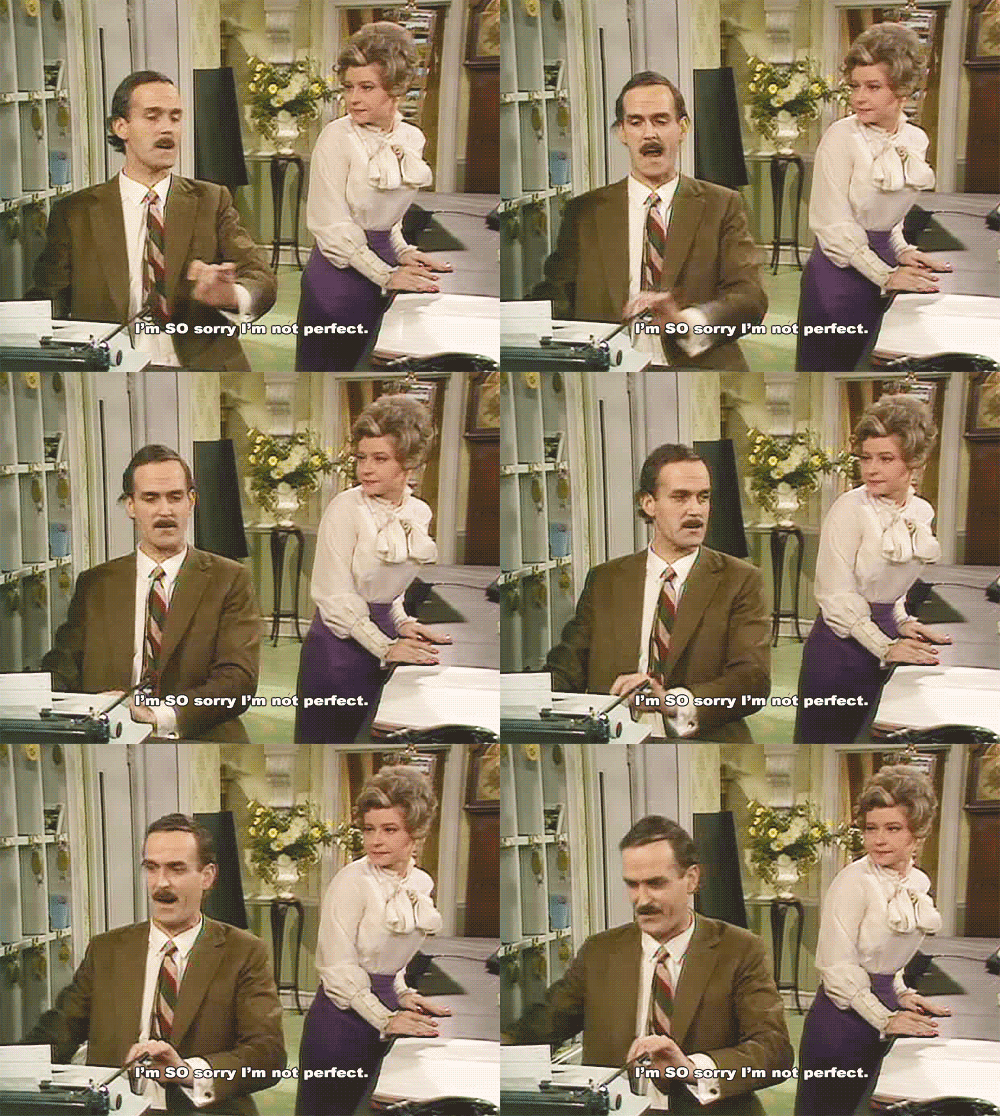
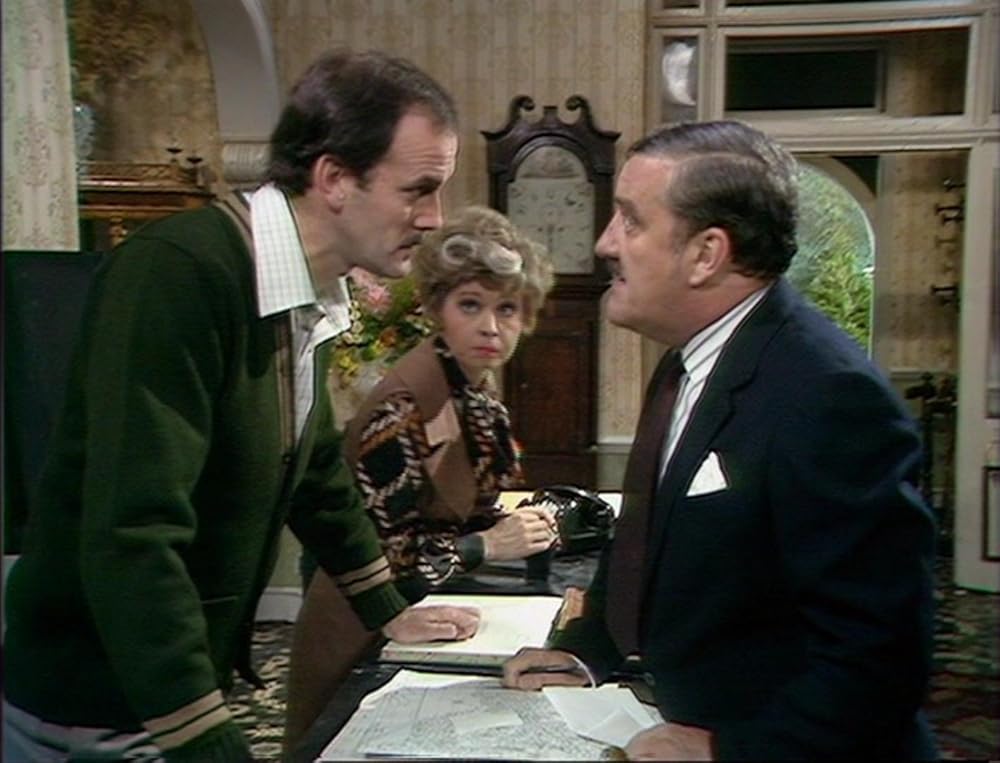
That man is Basil Fawlty, played by John Cleese at his most unhinged. Basil is rude, snobbish, arrogant, and deeply insecure. Basil despises his guests, loathes his staff, and resents his life choices with an operatic level of passion. The genius is that the show never asks you to like Basil. It asks you to watch him unravel.
Every episode is a masterclass in escalation. A small misunderstanding turns into a full-blown meltdown. A polite lie snowballs into social catastrophe. A simple dinner service becomes an emotional hostage situation.
The timing is crucial. The timing is flawless.
The hotel staff are the ones who make the chaos manageable.
Basil may be the engine, but the supporting cast is the oil, petrol, and occasional matchstick.
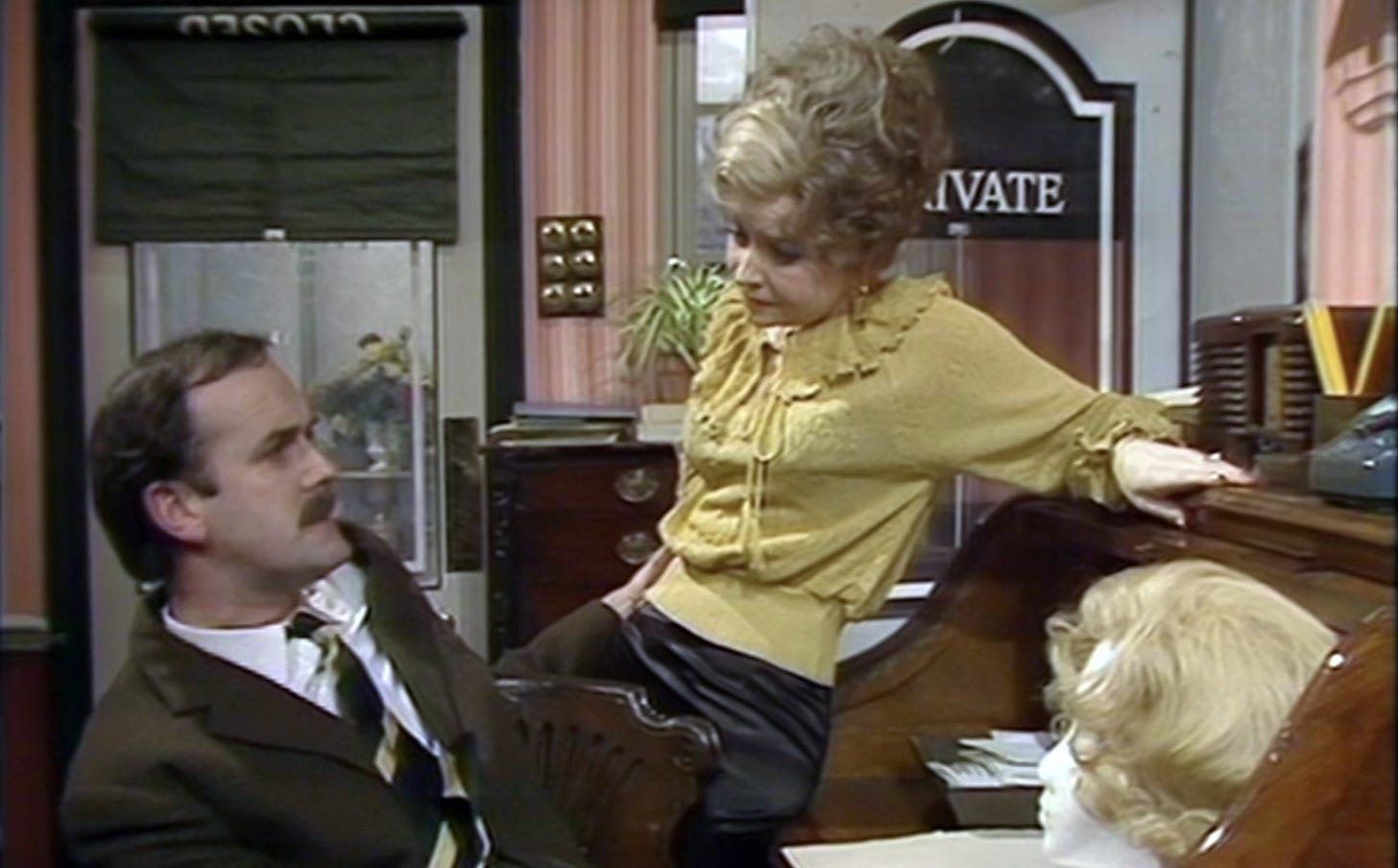
First, there is Sybil Fawlty, played by Prunella Scales. Sybil is terrifying in the calmest way possible. She rarely raises her voice. She does not need to. One look, one clipped sentence, and Basil collapses like a man who knows he is already guilty.
Then there is Manuel, portrayed by Andrew Sachs. Manuel’s limited English and endless confusion are not just punchlines. They are catalysts. Basil’s impatience and cruelty bounce off Manuel’s sincerity, creating some of the most uncomfortable and unforgettable moments in British comedy.
Add Polly Sherman as the lone voice of reason, and you have a perfectly unbalanced ecosystem. Nobody is fully in control. Nobody is fully in control, least of all Basil.

Why was only 12 episodes enough?
In an era obsessed with endless content, Fawlty Towers feels almost rebellious.
The show ran for two short series between 1975 and 1979. That restraint is part of the legend. Every episode was written by John Cleese and Connie Booth, and every script went through ruthless editing. If a joke did not earn its place, it was cut.
There is no padding. There are no lazy subplots. There are no background noise episodes that you half-watch while scrolling through your phone. You have to pay attention. Blink and you miss something.
That density is why the show remains so rewatchable. You always catch something new. A look. A line. The pause is perfectly placed.
The controversial bits and why people still argue about them
Let’s not pretend Fawlty Towers is controversy-free.
Some jokes reflect the time they were made. Some moments make modern viewers uncomfortable. And yes, debates about what should or should not be laughed at are valid.
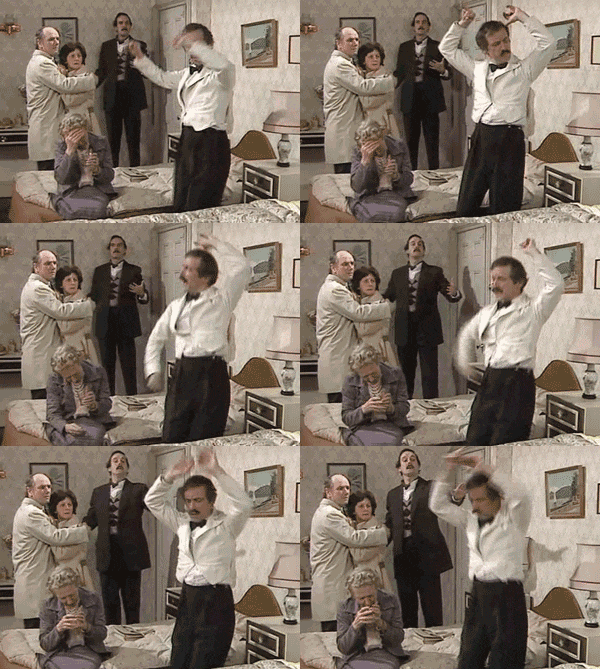
What matters is context. Fawlty Towers does not target those in lower social positions, as many people often claim. It punches inward. Basil is always the joke. His prejudice, ignorance, and arrogance are never rewarded. They are exposed, mocked, and punished repeatedly.
You are not meant to agree with Basil. You are meant to watch him fail. That distinction is why the show still sparks conversation rather than quietly disappearing.
Iconic episodes that never stop being quoted
Even if you haven’t watched Fawlty Towers in years, it’s likely that you are familiar with the lines.
The Germans episode remains infamous. This episode is infamous not only for the repetitive phrase everyone remembers but also for showing Basil spiralling in real time, despite multiple warnings to do the exact opposite.
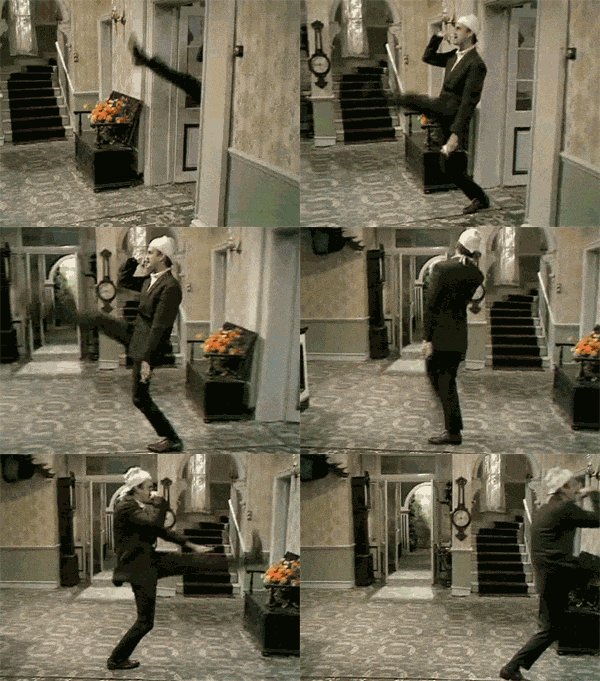
The Hotel Inspectors episode is a perfect farce. The episode is a masterclass in misunderstanding and paranoia, building tension like a thriller and nailing every punchline.
Communication Problems feel painfully modern. Missed messages. Half-heard instructions. Technology is making everything worse. Relatable then. Relatable now.
Each episode stands alone. Each one feels deliberate.
Why Fawlty Towers still works in the streaming era
So why are people still discovering Fawlty Towers on streaming platforms and loving it?
This is due to the timeless appeal of chaos. This is due to the timeless appeal of awkwardness. It’s always amusing to witness someone make a mistake at the most inconvenient time.
Additionally, the writing establishes trust with the audience. It does not over-explain. It avoids oversimplifying. It lets situations breathe and spiral. In a world of overly polished sitcoms, that rawness feels refreshing.
Short episodes. Big laughs. No filler. It is basically built for modern binge-watching, decades before binge-watching was a thing.
The legacy Fawlty Towers left behind
Fawlty Towers changed British comedy. You can see its DNA in cringe-based humour and workplace sitcoms, as well as the character-driven chaos that follows. Its influence is evident in shows that thrive on discomfort, escalating misunderstandings, and flawed protagonists.
More importantly, it proved you do not need endless seasons to make an impact. You need sharp writing, strong performances, and the confidence to stop while you are ahead.
Twelve episodes. Global recognition. Cultural immortality. This is a commendable achievement for a once dysfunctional hotel in Torquay.
Final verdict: still worth your time
If you have never watched Fawlty Towers, now is the time. If you have seen it, it is probably due for a rewatch. It is swift. It is clever. It is occasionally uncomfortable. And it is still one of the best examples of British sitcom writing ever made.
Some shows fade. Some shows evolve. Fawlty Towers passively observes and criticises others for exerting excessive effort.
And honestly? It has earned that right.