If travelling feels more tiring than your actual life, you’re doing it the normal way.
Early alarms. Packed itineraries. Racing between landmarks just to say you’ve seen them. Somewhere along the line, travel stopped being relaxing and started feeling like unpaid project management.
This is where vibe-led travel comes in. It is a slower, more intuitive approach to exploring places based on their feelings, rather than their fame. And once you try it, it’s very difficult to go back.
Could you please explain what travelling for the vibe actually means?
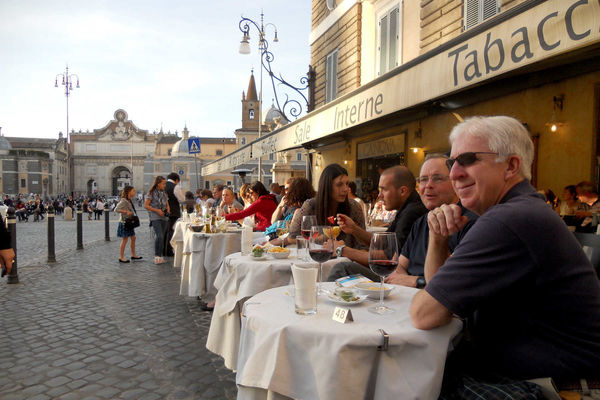
Travelling for the vibe means choosing destinations, activities, and even accommodation based on atmosphere rather than attractions.
You prioritise walkable neighbourhoods, good cafes, relaxed dining cultures, and places where locals actually spend time. Instead of asking, “What should I see?”, you ask, “How do I want to feel while I’m there?”
Calm. Inspired. Rested. Curious. Perhaps you even desire a sense of anonymity during your trip.
It’s travel that fits into your nervous system instead of overwhelming it.
Why slow travel feels better than packed itineraries
Fast travel looks productive, but it drains you. You spend most of your trip navigating crowds, transport, queues, and time pressure.

Slow travel gives you something else entirely: space.
- You have the freedom to enjoy the same café twice.
- You need the freedom to explore without relying on Google Maps.
- You need space to observe the true functioning of a city.
Ironically, doing less helps you experience more. You remember smells, sounds, conversations, and small moments instead of just photos. If you’ve ever come home from a holiday needing another break, this approach fixes that.
Tourist attractions aren’t the problem. The pressure is.
Landmarks are impressive. They’re just rarely the highlight of a trip.
The most memorable travel experiences often occur during unexpected moments. You might find yourself on the wrong bus. You might find yourself at a restaurant you hadn’t planned. You stumbled upon a bar that caught your eye due to its bustling, boisterous, and vibrant atmosphere.
Vibe-first travel doesn’t mean skipping everything famous. It means releasing yourself from the idea that every attraction is mandatory.
If you enjoy something, stay. If you don’t, leave. That freedom changes the entire experience.
The hidden confidence boost of unplanned travel
There’s a quiet confidence that comes from having no schedule.
- You eat when you’re hungry.
- You leave when you’re bored.
- You change plans without guilt.
Even if you’re travelling with someone else, carving out unstructured time builds self-trust. You realise that you don’t need constant stimulation or validation to enjoy a place.
This effect is especially powerful on solo trips, where vibe-led travel removes pressure and replaces it with curiosity.
Cities that naturally suit vibe-led travel
Some destinations are simply built for this style of travel.
They tend to be:
- walkable rather than car-dependent
- rich in café, bar, or terrace culture
- relaxed about time and reservations
- designed for locals, not just visitors
These are the places where sitting still doesn’t feel like wasting time. It feels like participating.
You feel less like a tourist and more like a temporary local, which is where travel becomes genuinely enjoyable.

Why travelling for the vibe can save you money
This style of travel is often cheaper, without trying to be.
- You’re not paying €25–€35 for skip-the-line tickets every day.
- You’re not rushing between paid attractions.
- You spend more time in free or low-cost spaces.
Long lunches, local bakeries, public parks, neighbourhood bars, and quiet mornings all naturally reduce spending. You enjoy more while buying less.
What you really bring home from trips like this
The souvenir isn’t a magnet. It’s a mindset.
- You walk more when you get home.
- You linger over coffee.
- You stop rushing things that don’t need rushing.
Good travel doesn’t just give you memories. It quietly reshapes how you live afterwards.
How to start travelling for the vibe on your next trip
You don’t need a radical change. Just start small.
- Leave one full day unplanned
- Choose accommodation in lived-in neighbourhoods
- Pick cafés and bars based on atmosphere, not ratings
- Stop forcing yourself to “make the most of it”
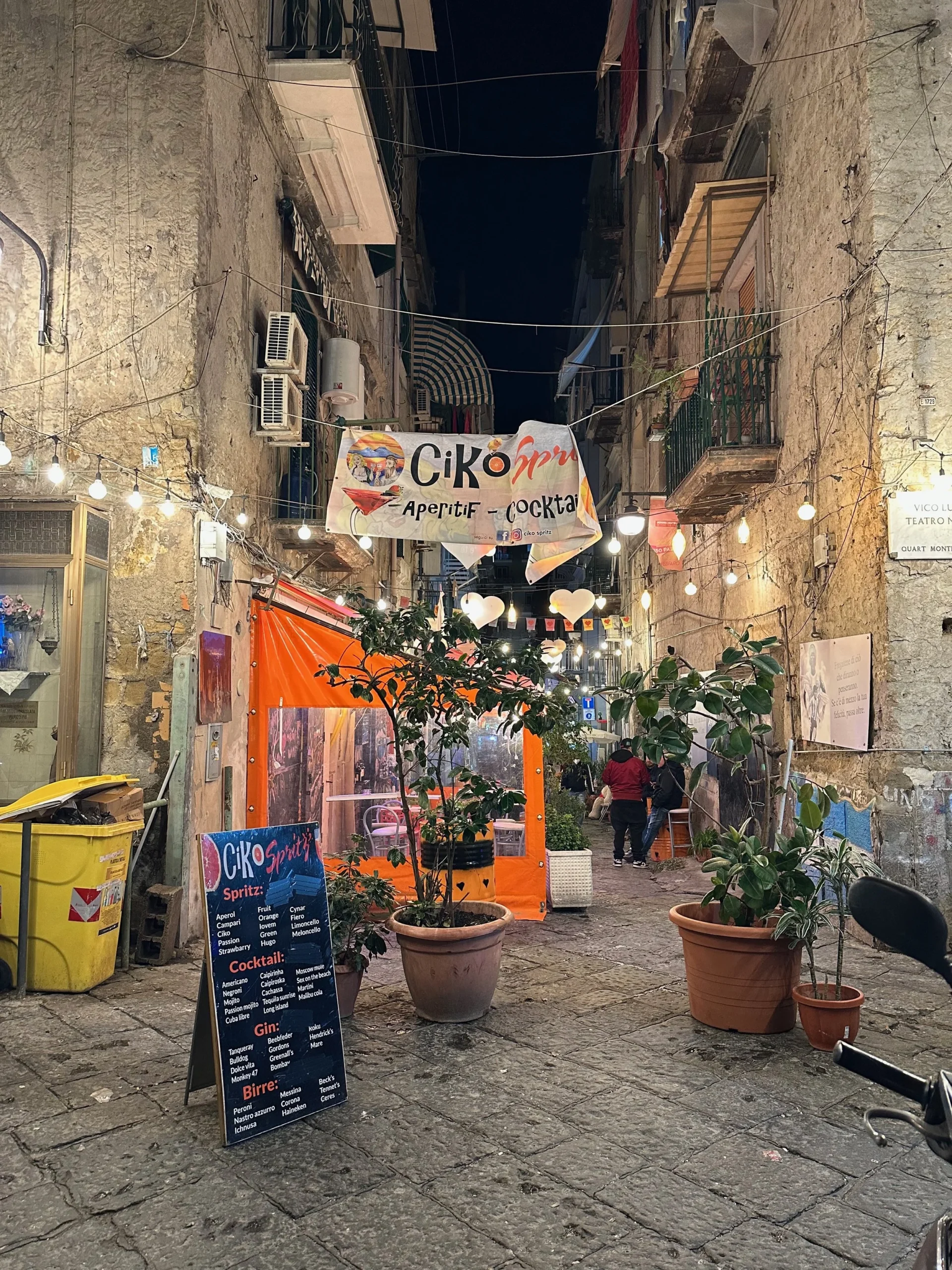
Let the place meet you where you are.
Final thoughts
- You don’t need to see everything to travel well.
- You don’t need a packed itinerary to justify the trip.
- You don’t need to exhaust yourself before memories count.
Sometimes the best trips are the quiet ones. These are the places where nothing dramatic happens, but everything feels right.
Next time you book a trip, ask one question first.
Not, “What will I see?”
But, “What vibe do I want?”
If this sounds like your kind of travel, share this post with someone who is also tired of checklist holidays. Or save it for your next trip and give yourself permission to slow down.