Things I Learned Pretending to Understand Crypto began as a harmless experiment. A few friends were talking about Bitcoin, Ethereum, gas fees, and decentralisation with the confidence of rocket scientists. I nodded. I smiled. I said things like, “Yeah, layer-two solutions are really promising.”

I had no idea what I was talking about.
Yet somehow, pretending to understand cryptocurrency taught me real lessons—about money, technology, human behaviour, and myself. This article isn’t about charts or predictions. It’s about the strange education you get when you fake confidence long enough to accidentally learn something real.
Lesson 1: Everyone Is More Confused Than They Admit
One of the first things I learnt while pretending to understand crypto is that confusion is a universal experience. The loudest voices often understand the least, while the quiet ones are still Googling.
Crypto conversations are filled with vague phrases like:
- “It’s all about the fundamentals.”
- “This project has strong utility.”
- “We’re still early.”
These phrases sound smart but usually mean, “I hope the rate goes up.” When I realised this, I relaxed. Not knowing everything wasn’t a weakness; it was the norm.
Lesson 2: Jargon Is a Confidence Costume

Crypto has mastered the art of complicated language. Words like ‘hash rate‘, ‘proof of stake’, and ‘smart contracts’ can shut down curiosity instantly.
While pretending to understand crypto, I noticed something important: people respect confidence more than clarity. If you say something complex calmly enough, no one asks follow-up questions.
This taught me a broader lesson—complex language often hides simple ideas, and sometimes confusion is mistaken for intelligence.
Lesson 3: Charts Are Modern-Day Fortune Telling
At first, I believed charts held secret truths. Lines went up. Lines went down. Patterns formed that looked meaningful if you stared long enough.
Then I learnt this truth: charts explain the past, not the future.
Pretending to understand crypto showed me how humans crave certainty. Technical analysis feels scientific, but it’s often emotional storytelling with numbers. Hope, fear, and hype drive markets far more than logic ever will.
Lesson 4: Community Matters More Than Technology
One surprising discovery from the book “Things I Learnt Pretending to Understand Crypto” is the significant power of community. Projects live or die based on belief, not just code.
Strong communities:
- Defend projects aggressively
- Create endless content and memes
- Convince others to join
Weak communities disappear, even if the technology is solid. Crypto taught me that belief systems can be more valuable than products. This insight applies to many areas beyond just digital coins.
Lesson 5: Risk Is Easy to Ignore When Numbers Are Green
While pretending to understand crypto, I noticed how quickly caution disappears during upward trends. When prices rise, everyone becomes a genius. When they fall, everyone becomes a philosopher.
Crypto taught me that risk isn’t about intelligence; it’s about emotion. Greed whispers louder than logic, and optimism grows strongest right before reality checks arrive.
Lesson 6: Nobody Knows the Timeline
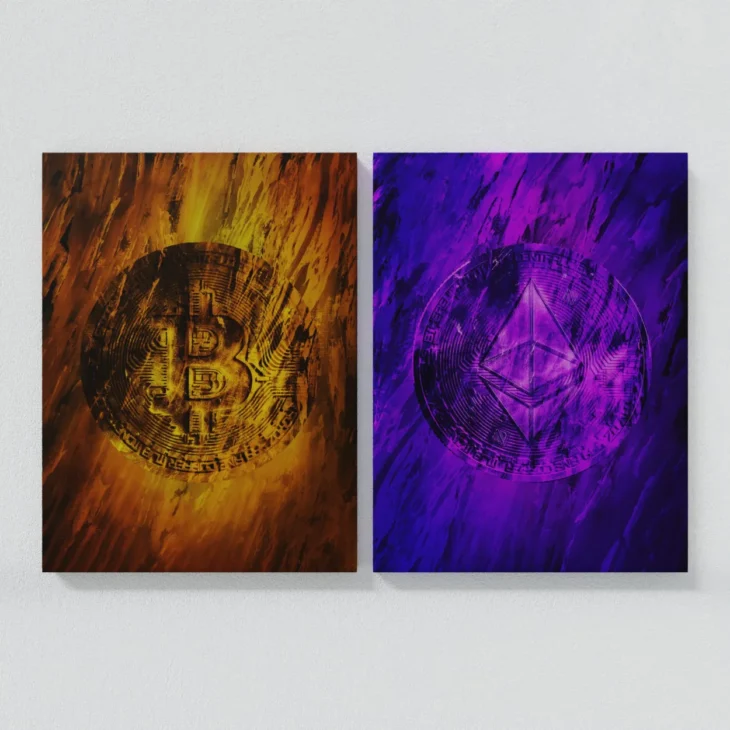
Crypto conversations are filled with timelines:
- “This will moon next year.”
- “Mass adoption is coming soon.”
- “Regulation will fix everything.”
The truth? No one knows when anything will happen.
Pretending to understand crypto helped me accept uncertainty. Long-term thinking matters more than predictions, and patience is often more valuable than information.
Lesson 7: Technology Moves Faster Than People
Blockchain technology evolves rapidly, but human understanding moves slowly. Many people invest without knowing why, driven by fear of missing out.
This taught me a valuable lesson: progress isn’t just technical—it’s psychological. Adoption happens when people feel comfortable, not when systems are perfect.
Lesson 8: Asking “Why” Is the Real Skill
At some point, I stopped pretending and started asking simple questions:
- Why does this exist?
- Who benefits if it succeeds?
- What problem does it actually solve?
Ironically, this made me sound smarter than when I was pretending. Crypto taught me that curiosity beats confidence every time.
Lesson 9: You Learn More by Admitting You Don’t Know
The final and most important takeaway from Things I Learnt Pretending to Understand Crypto is this: pretending can be a starting point, but honesty is the upgrade.
Once I admitted I didn’t fully understand crypto, real learning began. Conversations became clearer. Decisions became calmer. And the pressure to appear knowledgeable disappeared.
Conclusion: What Pretending Taught Me for Real
Things I Learned Pretending to Understand Crypto isn’t about embarrassment; it’s about growth. Pretending exposed how often people fake certainty in uncertain systems. Crypto didn’t just teach me about money or technology; it taught me about human behaviour.
And the most significant lesson? It’s acceptable not to know, especially in a world where nobody truly does.
FAQ: Things I Learned Pretending to Understand Crypto
What is cryptocurrency?
Cryptocurrency is a type of digital currency that uses blockchain technology to record transactions securely without relying on a central bank.
Do I need to understand crypto to invest?
No, but it’s a good idea to learn the basics before investing. Understanding how cryptocurrencies work can help you make more informed decisions.
What is blockchain?
Blockchain is a digital ledger that records transactions across a network of computers. It’s designed to be transparent, secure, and difficult to alter.
Why is crypto so confusing?
The crypto world is full of technical jargon, constantly evolving technology, and new projects, which can make it overwhelming for beginners.
Is Bitcoin the same as cryptocurrency?
No. Bitcoin is the first and most well-known cryptocurrency, but there are thousands of other digital currencies, often called altcoins.
What does “HODL” mean?
“HODL” is a popular crypto term that originally came from a misspelling of “hold.” It now refers to holding onto cryptocurrency rather than selling during market fluctuations.
Is cryptocurrency risky?
Yes. Cryptocurrency prices can be extremely volatile, and it’s possible to lose money. Never invest more than you can afford to lose.