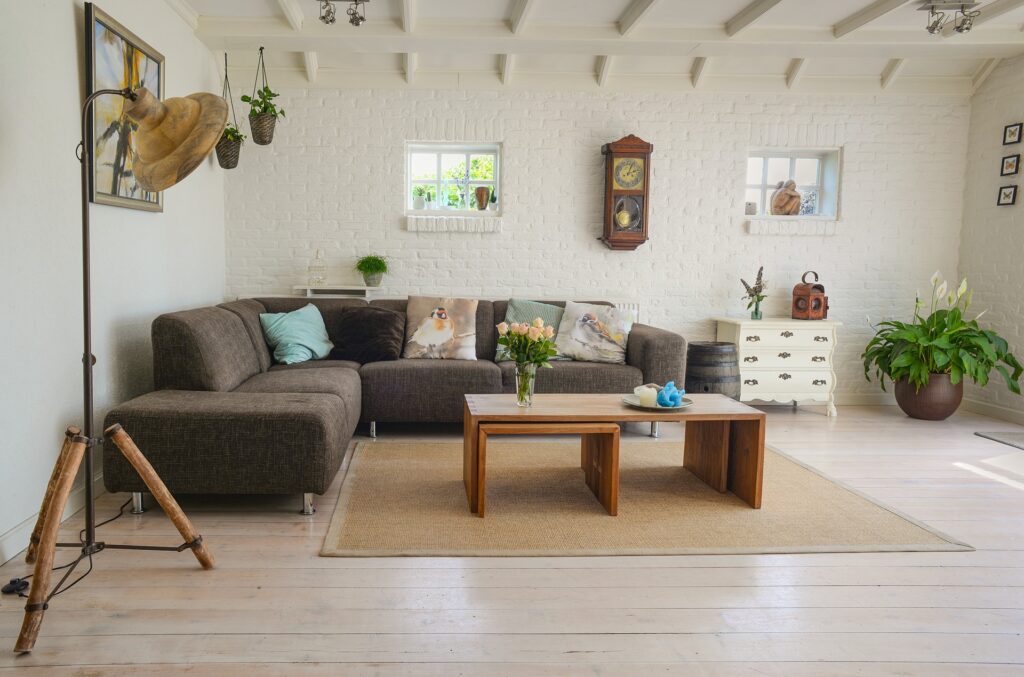
Energy bills in 2025 are higher than ever, making energy efficiency not just a trend but a must. The good news? You don’t need a full renovation to save money and live greener. With a few clever swaps and tech upgrades, your home can be cosy, chic, and energy-smart.
The good news? It doesn’t take a full home renovation or endless Pinterest boards to make it happen. A few smart swaps and simple upgrades can save money, reduce waste, and keep your space comfy and chic. Ready to glow up your home and your energy habits? Let’s go.
Swap out old-school bulbs for LEDs and CFLs

Use solar outdoor lights for free energy
Incandescent bulbs are basically dinosaurs at this point. They eat up far too much energy and give off unnecessary heat. Enter compact fluorescent (CFL) bulbs and LEDs.
- CFLs use about 25% of the energy of traditional bulbs.
- They last waaay longer, so you won’t be climbing chairs every other month.
Plus, warm-toned LEDs mean you don’t have to sacrifice vibes for efficiency.
Say hello to solar outdoor lights

Solar-powered garden lights are the definition of glow-up. They’re stylish, eco-friendly, and literally powered by sunshine (aka free energy). From string lights to sleek lanterns, today’s designs are aesthetic enough to double as garden décor.
Pro tip: line your walkway with solar stakes and thank yourself every time you get home late without tripping over your cat.

Upgrade old appliances to Energy Star models
We get it; buying a new fridge or microwave feels expensive. But if your appliances are older than your favourite rom-com DVD, they’re probably draining energy like crazy.
Look for the Energy Star rating. These appliances are built to save electricity (and your wallet in the long run). And when you finally ditch the old stuff? Rent a garbage bin and clear the clutter in one go. Double win.
Save money with smart thermostats
Why blast the AC or heating when you’re not even home? Programmable thermostats do the thinking for you. They adjust temps automatically so you’re never wasting energy.
Think of it as hiring a personal assistant for your heating and cooling minus the awkward small talk.
Dimmer switches for mood and savings
Installing dimmers isn’t just about setting the mood. Dimming your lights can save between 10% and 50% on electricity. Plus, bulbs last longer when you’re not running them at full brightness.
That’s less waste and more candlelit dinner vibes on a Tuesday night.

Lighting control systems for smart homes
Imagine pressing one button and every unnecessary light in the house shuts off. Or you can have preset “scenes” for cooking, movie night, or winding down with a book. That’s what lighting control devices do; they save energy and make you feel like you live in a smart home ad.
Motorised shades for natural cooling
Natural light is free, fabulous, and flattering for selfies. But remembering to open and close shades at the right times? Not so much. Motorised blinds do it for you – they open when it’s bright outside and shut when the sun’s too harsh.
It’s low effort, high impact, and keeps your home cool without blasting the AC.

Solar panels and solar shingles in 2025
Forget the bulky, spaceship-looking panels of the past. Today’s solar shingles blend right into your roof. If your house has a south-facing roof, panels can cover a giant chunk of your energy needs.
Yes, it’s an investment, but over time they can massively reduce your bills, and you’ll feel like the eco-queen of the block.

Variable-speed air handlers explained
This one sounds techy, but hear me out. Instead of blasting on and off like a traditional system, a variable-speed air handler adjusts gradually. That means:
- Quieter operation (bye-bye, loud whooshing sounds).
- More consistent airflow.
- Better energy efficiency overall.
It’s like upgrading from a flip phone to a smartphone: same purpose, but much more efficient.

Why making your home energy efficient matters
Making your home energy efficient isn’t just about shrinking bills (though that’s a huge perk). It’s about creating a space that feels comfortable, modern, and intentional. You’re not just saving energy — you’re making smarter choices that add value to your home and your lifestyle.
So, whether you start small (swap a few bulbs) or go big (solar panels, baby), every step counts. And hey, your future self (and the planet) will thank you.
Related reads you’ll love
- Self-care hacks that double as energy savers
- 5 budget-friendly ways to refresh your home decor
- How to build a cosy home office you’ll actually want to work in
FAQ: How to Make Your Home More Energy Efficient (2025 Guide)
What are the easiest ways to make my home more energy efficient?
Simple upgrades can make a big difference, including switching to LED bulbs, sealing drafts around doors and windows, using smart thermostats, unplugging unused electronics, and upgrading to energy-efficient appliances.
How can I reduce my electricity bill at home?
Lower your energy bills by:
- Turning off lights when not in use.
- Washing clothes on cooler settings.
- Air-drying laundry when possible.
- Improving insulation.
- Using energy-efficient appliances.
- Monitoring your daily electricity usage.
Is improving home insulation worth it?
Yes. Proper insulation keeps your home warmer in winter and cooler in summer, reducing the energy needed for heating and cooling and lowering your utility bills.
What are the most energy-efficient home appliances?
Look for appliances with high energy efficiency ratings. Modern refrigerators, washing machines, dishwashers, and heat pump dryers are designed to use significantly less electricity than older models.
Do LED light bulbs really save money?
Absolutely. LED bulbs use up to 80–90% less energy than traditional incandescent bulbs and last much longer, making them one of the easiest and most cost-effective home upgrades.
Can smart home devices improve energy efficiency?
Yes. Smart thermostats, smart plugs, lighting systems, and energy monitors help reduce unnecessary electricity use by allowing you to automate and control your home’s energy consumption.
Should I unplug appliances when I don’t use them?
Many devices continue using electricity while on standby, often called “phantom” or “vampire” power. Unplugging them or using smart power strips can help reduce wasted energy.