Stress has a terrible PR problem. We talk about it like it’s just a feeling when actually it’s a full-body event. When you’re stressed, your body doesn’t politely sit down and wait for your mind to calm down. It gets involved. Loudly.
If you’ve ever thought, ‘Why do I feel bloated, exhausted, jittery, and emotional, and as if my jeans are uncomfortable?’
Congratulations. That’s stress, doing what stress does best.
Let’s break down the weird, annoying, and very human things your body does under stress, without shame or medical jargon.
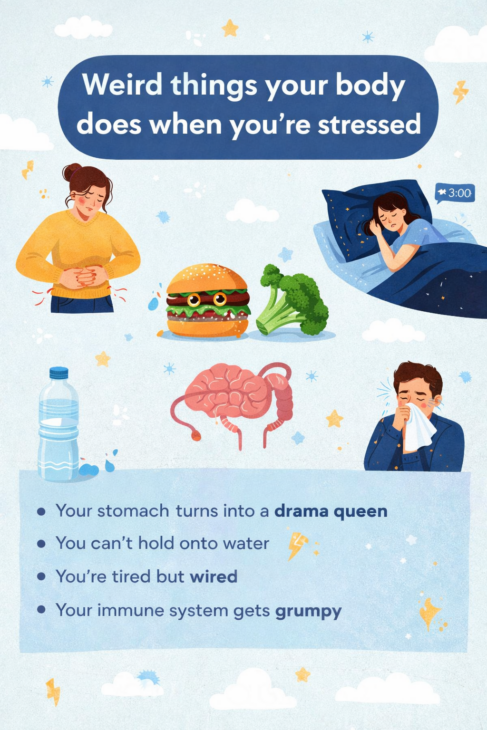
Stress transforms your stomach into a dramatic entity.

One of the first places stress shows up is your gut. This is due to the constant communication between your digestive system and your brain.
When you’re stressed:
• Digestion slows down.
• Your gut muscles tense.
• Gas builds up
• You feel bloated or uncomfortable.
This symptom isn’t weight gain. Your body halts digestion due to perceived danger.
The gut–brain connection is so strong that the Harvard Health Publishing site calls your gut your “second brain”:
So if your stomach feels off when life feels off, that’s not a coincidence. That’s biology.
Your body holds onto water like it’s preparing for winter.
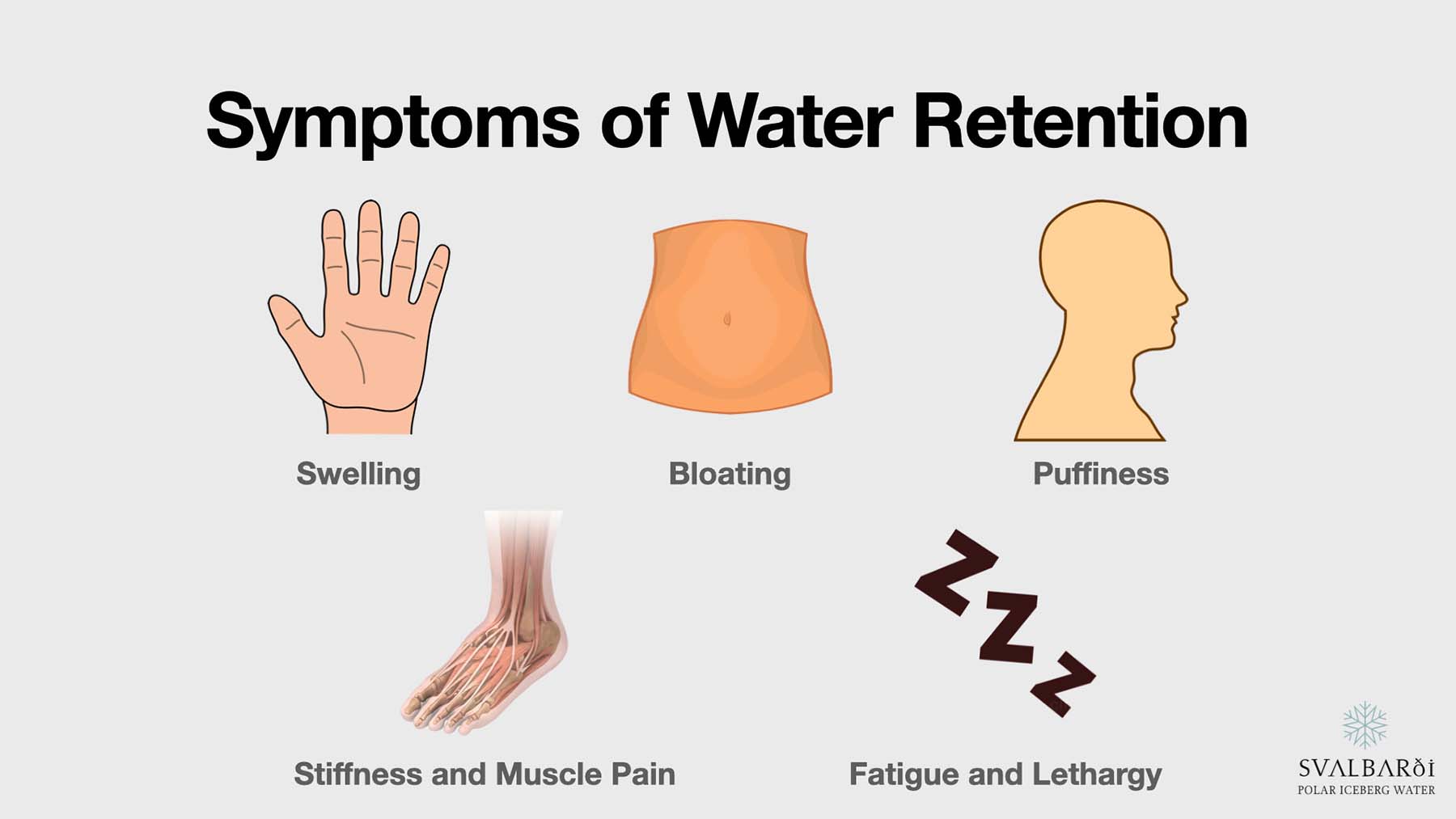
Stress triggers cortisol. Cortisol tells your body to hold onto fluids, just in case you need them later. It’s an ancient survival mechanism that has absolutely not kept up with modern life.
This chemical can make:
• Fingers feel tight
• Face looks puffier
• Clothes feel snug
• Body feels “bigger”
It is temporary. It is not fat. And it usually disappears once your nervous system calms down.
The Cleveland Clinic explains how stress hormones impact fluid retention in simple terms:
You get worn out but wired at the same time.
Stress interferes with sleep in the most disruptive manner.
You’re exhausted, but your brain won’t shut up. That’s because stress keeps your nervous system in “alert mode”. Even when you lie down, your body thinks it needs to stay awake.
This process can lead to:
• Trouble falling asleep
• Light, restless sleep
• Waking up already worn out
The Sleep Foundation has a fantastic breakdown of how stress affects sleep cycles:
Please don’t blame yourself for sleeping “improperly”. This isn’t a discipline issue. It’s a nervous system issue.
Your appetite does weird, contradictory things.

Stress can either kill your appetite or make you want all the snacks. Occasionally, you may experience both of these effects in one day.
Why?
• Short-term stress can suppress hunger.
• Ongoing stress often increases cravings.
• Your body wants quick energy.
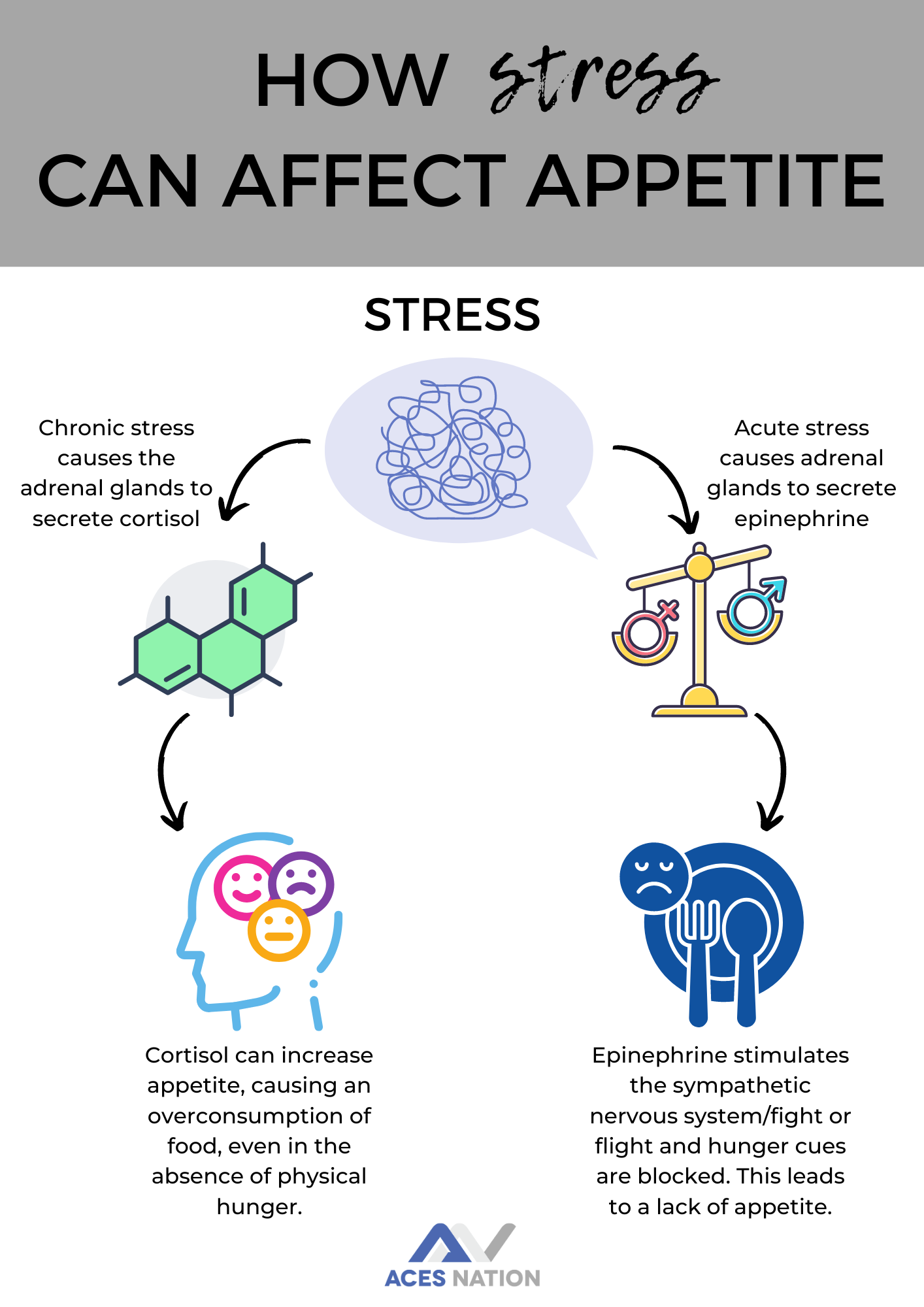
This condition isn’t lack of willpower. It’s your body trying to regulate itself.
The NHS explains stress-related appetite changes clearly and without judgement:
You notice your body more (and not in a fun way).
This one’s important.
When you’re stressed, your body awareness increases. Sensations feel louder. Clothes feel tighter. Mirrors feel harsher. You notice every little thing.
Nothing has suddenly changed. Your attention has.
Stress narrows your focus inward. That’s why people often feel worse about their bodies during stressful periods, even when they are the same.
Your immune system gets dramatic.

Chronic stress can lower immune response, making you more likely to catch colds or feel run down. Your body diverts energy to “survival mode” instead of maintenance.
The American Psychological Association covers this connection well:
Getting sick during stressful times is not weakness. It’s simply your body signalling for help.
So what actually helps?
Nothing extreme. Nothing punishing.
Helpful things:
• Drinking more water.
• Warm meals
• Gentle movement
• Looser clothes
• Fewer mirrors
• Earlier nights
• Being kinder to yourself
Stress doesn’t need discipline. It needs safety.
Final thought
Stress doesn’t mean your body is failing you. It means your body is trying to protect you, even if it’s doing so in slightly inconvenient ways.
If your body feels louder, heavier, or harder to live in right now, that’s not a personal flaw. That’s biology responding to pressure.
And pressure passes.
FAQ: Weird Things Your Body Does When You’re Stressed
Can stress really affect my body?
Yes! Stress doesn’t just affect your mood. It can also influence your digestion, sleep, skin, muscles, heart rate, and even your immune system.
Why do my shoulders feel so tense?
Many people unknowingly tighten the muscles in their shoulders, neck, and jaw when they’re stressed, which can lead to stiffness, headaches, or aching muscles.
Why do I suddenly crave junk food when I’m stressed?
Stress can increase cravings for high-fat, sugary, or salty foods because these foods may temporarily activate the brain’s reward system and feel comforting.
Can stress upset my stomach?
Absolutely. Stress can contribute to symptoms such as nausea, bloating, indigestion, stomach cramps, diarrhoea, or constipation in some people.
Why do I get headaches when I’m overwhelmed?
Stress is a common trigger for tension headaches, which often feel like a tight band around your head. It may also contribute to migraines in people who are prone to them.
Can stress make my skin break out?
Yes. Stress may trigger or worsen skin conditions such as acne, eczema, psoriasis, or hives in some people.
Why does my heart race when I’m anxious?
When you’re stressed, your body releases hormones like adrenaline that prepare you for “fight or flight”. This can temporarily increase your heart rate and make you more aware of your heartbeat.
Can stress make me feel exhausted?
Definitely. Even if you’re not physically active, ongoing stress can leave you feeling mentally and physically drained because your body stays on high alert for longer than it needs to.
Why do I clench my jaw without noticing?
Jaw clenching and teeth grinding often happen during periods of stress, sometimes even while you’re asleep.
Can stress affect my sleep?
Yes. Stress may make it harder to fall asleep, cause frequent waking during the night, or leave you feeling less refreshed in the morning.
Why do my hands get sweaty when I’m nervous?
Stress activates your body’s natural stress response, which can increase sweating, particularly on your palms, feet, and underarms.
Can stress make my hair fall out?
In some cases, significant physical or emotional stress can contribute to temporary hair shedding. If you’re experiencing noticeable hair loss, it’s a good idea to speak with a healthcare professional, as there can be many possible causes.
Why do I keep forgetting things when I’m stressed?
Stress can make it harder to concentrate, process information, and remember details because your brain is focused on managing the stressful situation.
Can stress affect my immune system?
Yes. Long-term stress may reduce your body’s ability to fight off infections, meaning you might notice you’re getting ill more often than usual.
Why do I feel out of breath when I’m anxious?
Some people breathe faster or more shallowly when they’re stressed or anxious, which can create the sensation of not getting enough air, even when oxygen levels are normal.
Can stress make me itch?
It can. Some people experience itchy skin or notice existing skin conditions become more irritating during stressful periods.
What can I do to help my body cope with stress?
Simple habits can make a real difference:
- Get regular sleep.
- Stay active with gentle exercise or walking.
- Eat regular, balanced meals.
- Stay hydrated.
- Take breaks from screens.
- Spend time outdoors.
- Talk to someone you trust.
- Practise relaxation techniques that work for you.
When should I seek medical advice?
If stress symptoms are severe, last for several weeks, interfere with your daily life, or you’re experiencing symptoms such as ongoing chest pain, fainting, or thoughts of harming yourself, it’s important to seek prompt medical advice or emergency care if needed.
What’s the biggest thing to remember about stress?
Your body and mind are closely connected. Stress can show up in surprisingly physical ways, from tense muscles to stomach troubles and restless nights. Recognising these signs early and taking steps to manage stress can help you feel better both mentally and physically.