

Raise your hand if you’ve ever stood in front of your mirror, sighing, tugging at your clothes, and wishing you felt more like yourself. (Yep, same.) Feeling comfortable in your body isn’t something that magically happens one day. It’s a mix of biology, culture, and confidence, and most of us are still figuring it out.
But here’s the good news: comfort is something you can learn. And it doesn’t require losing ten pounds, buying the “perfect” jeans, or chasing after an Instagram-filtered version of yourself.
Why feeling comfortable is harder than it looks
Firstly, it’s important to recognise that society doesn’t always make it simple. Ads tell you one thing; TikTok shows another, and even your favourite celebrities have entire glam teams behind them. No wonder you feel like your skin doesn’t fit sometimes.
Add in natural changes like hormones, your period, recovery, or even just getting older, and your body will never stay exactly the same. That doesn’t mean it’s wrong. It means it’s alive.
Little tricks that make a big difference
It’s not about pretending to love every inch of your body, every day, to feel comfortable in it. It’s about building tiny habits that make you feel more grounded.
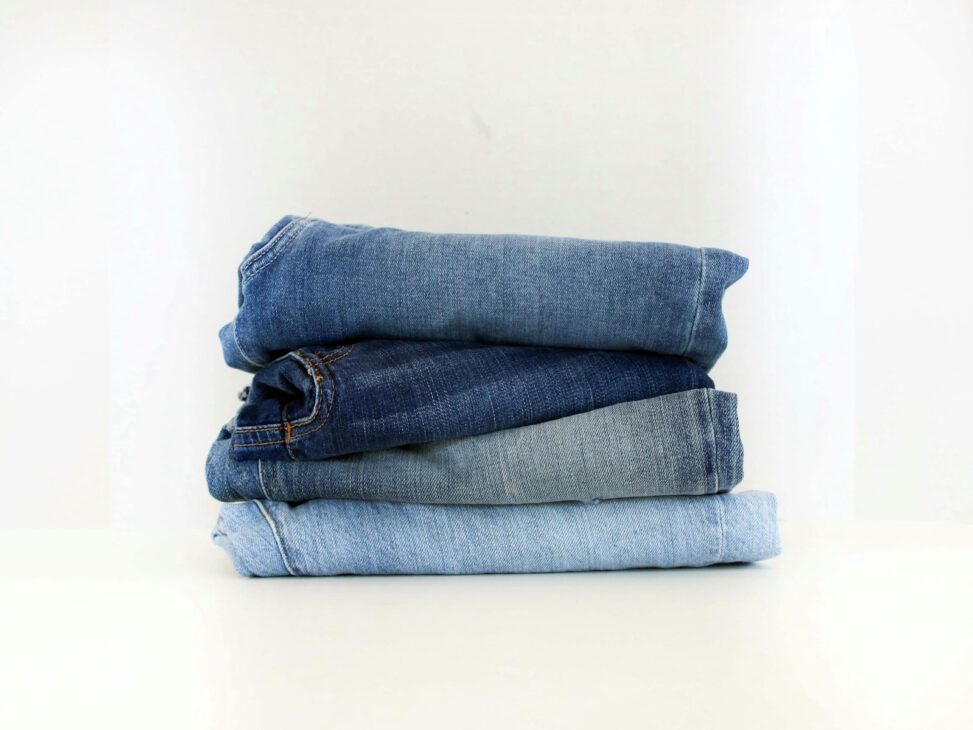
- Wear clothes that fit now, not “someday”. Stop punishing yourself with jeans that don’t button. Shop for pieces that make you feel comfy and confident today.
- Check your mirror time. Obsessing only magnifies insecurities. Consider limiting mirror check-ins to times when you are getting dressed or applying skincare.
- Curate your feed. If your socials make you feel like rubbish, unfollow. Fill your timeline with creators who celebrate real bodies. (Looking for inspo? My piece on comfort fashion has ideas to start with.)
- Focus on function. Instead of “Do I look good?”, ask “What can my body do today?” Walks, stretches, even laughing until your belly hurts – these are wins.
Is it normal to feel this way? (Spoiler: yes)
Short answer: 100% yes.
Long answer: our brains are wired to notice change. If your jeans feel tight or your skin looks puffy, it registers as “something’s wrong.” But in reality, it’s often hormones, water retention, or your body adjusting.
Think of it like this: if you had the flu, you wouldn’t hate your body for feeling weak. So why hate it for shifting with your cycle, stress, or recovery?
The confidence trick no one tells you
Here’s the secret: people don’t actually notice you the way you think they do. What they do notice is how you carry yourself. If you walk into a room constantly tugging at your top and apologising for existing, that’s what sticks. But if you laugh, make eye contact, and rock whatever outfit you’re in — they’ll remember the vibe, not the waistline.

Confidence is contagious. Sometimes you have to fake it at first, but the more you practice, the more natural it becomes.
What to do when comments sting
We’ve all heard them: “You look like you’ve put on weight,” or “Wow, you’re so thin!” People rarely mean harm, but these comments can land hard. A quick, calm response like “I feel good, thanks” shuts it down and redirects the focus. You don’t owe anyone an explanation about your body.
Final thoughts
Feeling comfortable in your body isn’t a one-time achievement it’s an ongoing relationship. Some days will feel better than others, and that’s okay. The goal isn’t perfection. It’s comfort, kindness, and building a body-mind truce you can actually live with.
So, the next time you catch yourself spiralling about your thighs, your skin, or whatever else, try this: take a breath, put on something soft, and remind yourself—your body is on your side. Always.


